The summer season has at least four different start and end dates depending on what you mean by it. The weather, the sea, the crowds and the opening hours all run on separate timetables, and the gaps between them are where the best value weeks sit.
When does the weather turn?
Southern Europe becomes reliably warm from late April and stays so until late October. Central Europe from mid-May to late September. Northern Europe from June to August. The weather season is the longest of the four and starts earliest in the south.
When does the sea become usable?
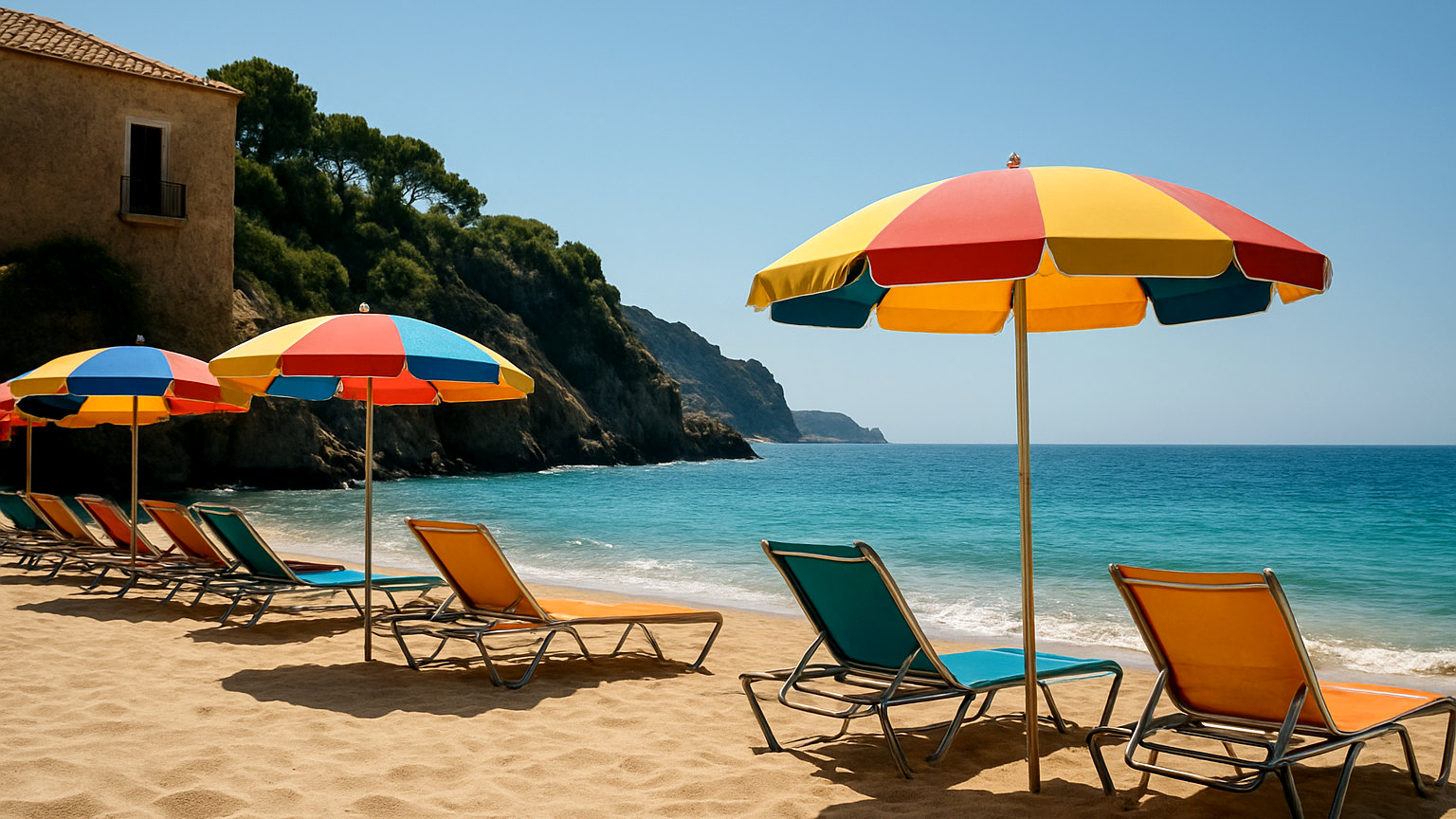
Several weeks later, because water lags the air by around two months. The eastern Mediterranean is swimmable from mid-May, the central Mediterranean from mid-June, and the Adriatic and western Mediterranean from late June. It stays warm until late October in the east and mid-October elsewhere.
This lag is why the sea season runs from June to October rather than May to September.
When do the crowds arrive?
From the third week of June, as continental school holidays begin, building to a peak in the first fortnight of August and falling sharply from the first week of September. The crowd season is the shortest of the four and the most concentrated.
When do resorts open and close?
Mediterranean resorts generally from Easter or early April to late October, with reduced operations at both ends. Smaller islands from June to mid-September. Mountain lifts and huts from mid-June to mid-September. The opening season is the constraint that most often catches out shoulder travellers.
Where are the gaps?
Two of them, and they are the best weeks of the year. The first fortnight of June has summer weather, a usable sea and no crowds. The second half of September has the warmest sea of the year, departing crowds and falling prices. Both fall between the weather season and the crowd season.
What about the price season?
It tracks the crowds rather than the weather, rising from late June and falling from around the tenth of September. That mismatch is the entire arbitrage: identical conditions cost half as much a fortnight later because the schools have gone back.
Does it vary by destination?
Considerably. Cyprus and southern Turkey have the longest usable season, roughly April to November. Bulgaria has the shortest, effectively June to early September. The Canaries have no season at all in the usual sense. Northern Europe compresses everything into June to August.
Is the season lengthening?
Mediterranean sea temperatures have trended upward over recent decades and the shoulder months have become more usable at both ends. Several destinations now trade later into October than they did. Historical averages are increasingly likely to understate rather than overstate conditions.
When should you book for each?
The gaps are not secret and the good accommodation in them goes early, particularly in September, which experienced travellers target deliberately. Booking three to five months ahead for the second half of September is sensible, and the first fortnight of June is easier.
What about the shoulder risks?
Early June can find high mountain lifts and huts still closed and some small islands not yet operating. Late October finds the reverse. Both edges carry a real chance that something you wanted is shut, which is the price of the lower rates.
Which single week is best?
The second half of September across the Mediterranean, combining the warmest sea of the year with departing crowds and falling prices. Nothing else in the calendar matches it.
Does the answer differ for cities?
Entirely. City breaks invert the calendar, with the best months being the ones everyone avoids: February, November and January, when museums are empty and hotel prices halve. Summer is the worst time for a southern European city and among the best for a northern one.
How Do You Cope With a European Heatwave? goes into more detail on a closely related question, and the rest of our Seasons section covers the wider subject.
The short answer
Weather from late April, sea from June, crowds from late June, and resorts from April to October. The two gaps between those calendars, the first fortnight of June and the second half of September, are the best weeks in the European year.