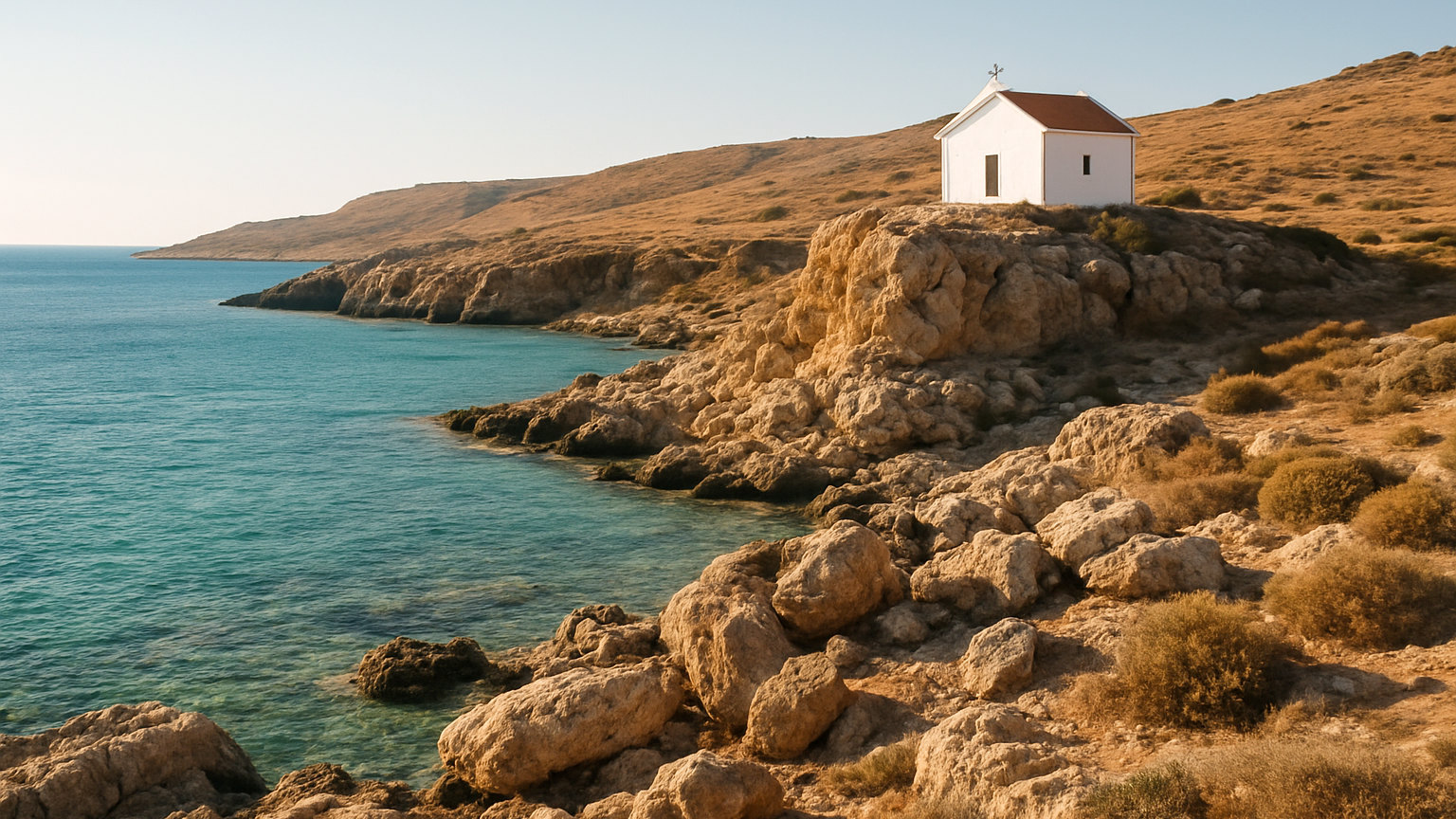
Cyprus is the warmest part of the Mediterranean in winter, which is a genuine claim and a limited one. It sits around sixteen to eighteen degrees in the day from December to February, which is comfortable for walking and eating outside, and it is not a beach destination in those months.
What are the temperatures?
Coastal daytime highs of around seventeen or eighteen in December and January, rising through February and reaching the low twenties by March. Nights drop to around eight or nine, which is cold enough that heating matters and many properties have limited provision.
Does it rain?
Yes, and winter is the rainy season. December, January and February account for most of the annual rainfall, typically arriving as heavy showers rather than continuous grey. Between them are long clear spells, so a winter week is likely to include both.
Can you swim?
The sea sits around seventeen degrees in January and February, which is its annual low and is a brief dip rather than a swim. Heated hotel pools are the practical answer, and it is worth checking whether a given hotel heats its pool in winter.
What is it good for?
Walking, principally, in the Akamas peninsula and the Troodos mountains, both of which are uncomfortable in summer and excellent in winter. Also the archaeological sites, which have no shade and are far better visited in cool weather. The Paphos mosaics and Kourion are both at their best in January.
Is there really skiing?
Yes, on Mount Olympus in the Troodos, usually from January to March depending on snowfall. It is a small operation of a handful of lifts and it is genuinely possible to ski in the morning and be on the coast in the afternoon, which is unusual anywhere.
What is on in winter?
The almond blossom from late January through February, which covers the hills in white and is a real draw. Orthodox Christmas and Epiphany celebrations. Carnival in Limassol, which is among the largest in the eastern Mediterranean.
What is open?
More than in most Mediterranean destinations, since Cyprus has a year-round population and the resorts are attached to working towns. Paphos and Limassol function normally. Ayia Napa and Protaras are considerably quieter with many businesses closed.
How does it compare with the Canaries?
Four or five degrees cooler, wetter, with a similar flight time and considerably more to see. If the point is lying in the sun, the Canaries win decisively. If the point is walking, ruins and a change of scene, Cyprus is the more interesting destination.
Is it good value?
Yes, in winter. Accommodation prices fall to a fraction of the summer level, car hire is cheap and the restaurants that remain open are competing for a small market. It is among the better value Mediterranean destinations in January and February.
Do you need a car?
For anything beyond your resort, yes. Buses connect the main towns and reach almost nothing else, and the Troodos, the Akamas and the archaeological sites all require driving. Winter car hire is inexpensive, and Cyprus drives on the left, which suits British visitors.
Where should you base?
Paphos for history and the west, and it has the most that stays open in winter. Limassol for a working city with a long seafront and the best restaurant choice. Protaras and Ayia Napa are very quiet out of season and better avoided unless you want emptiness.
How long are the days?
Around ten hours in December, with early sunsets. Worth planning walks and site visits for the middle of the day rather than the late afternoon.
Anyone weighing this up will also want Where Can You Get Winter Sun on a Budget?, along with the rest of the Seasons section.
The short answer
Cyprus is the warmest Mediterranean winter option at sixteen to eighteen degrees, with a genuine rainy season and a sea too cold to swim in. Go for walking, archaeology and the almond blossom, check the pool is heated, and choose the Canaries instead if you want a beach.