
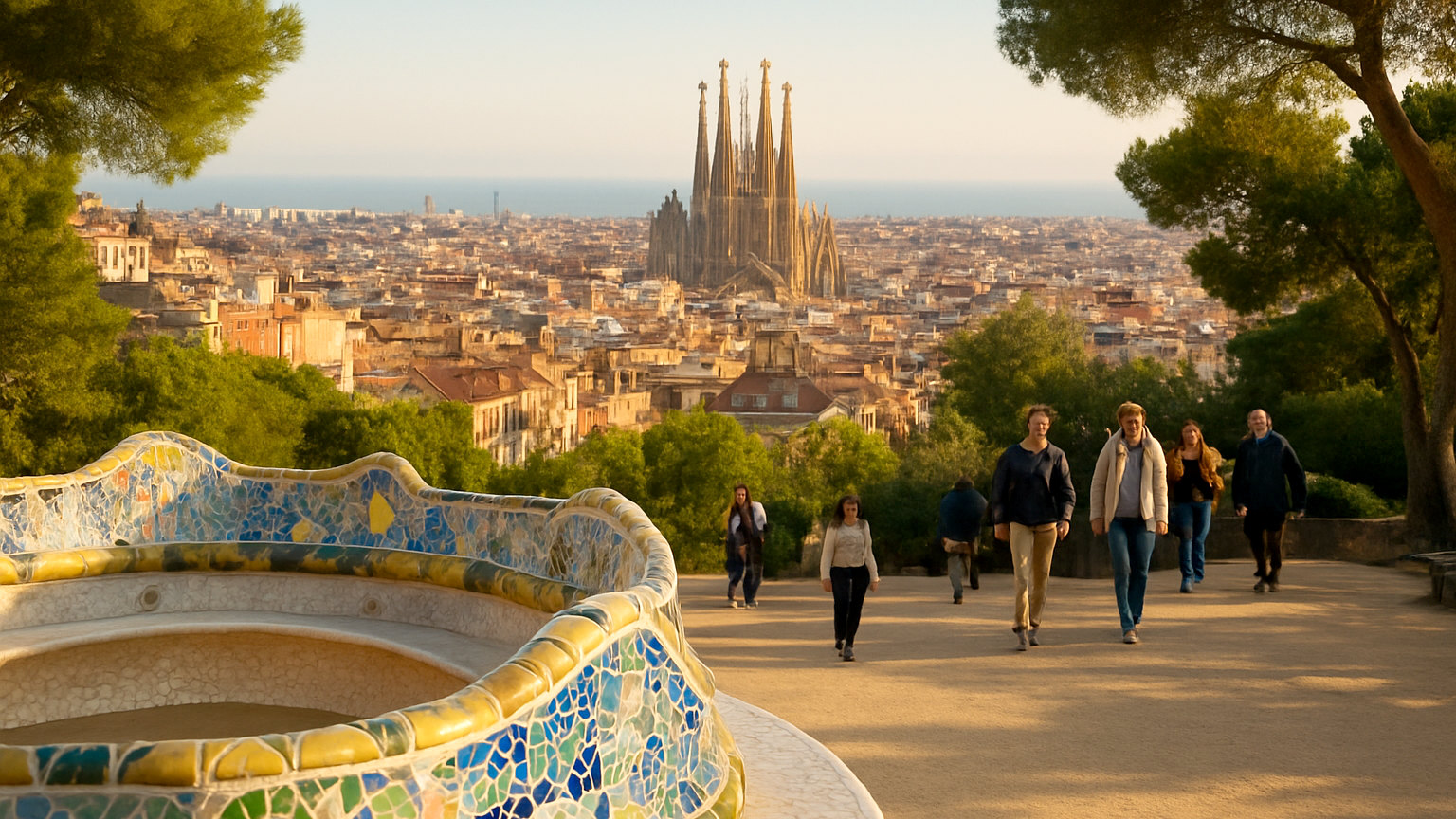
Barcelona packs a medieval old town, a grid of modernist architecture and a city beach into a space you can cross on foot in an hour. That density is the appeal, and it is also why the city struggles with visitor numbers in summer. Three days covers it well if the major tickets are secured in advance.
How long do you need?
Three nights for the main sights, four if you want the beach or a day trip. Barcelona is unusual among European cities in that a beach afternoon is a realistic part of a city break rather than a separate holiday.
What are the essential sights?
The Sagrada Familia, which is genuinely extraordinary inside and should not be judged from photographs of the exterior. Park Guell for the mosaic terrace and the view. Casa Batllo and La Pedrera on the Passeig de Gracia. The Gothic Quarter, which is best walked early before the lanes fill. The Picasso Museum for the early work.
What should you book ahead?
The Sagrada Familia, Park Guell and Casa Batllo, all of which use timed entry and all of which sell out days or weeks ahead in season. The Sagrada Familia tower access is a separate and limited ticket. Booking these three before you fly is the difference between a good trip and a frustrating one.
Where should you stay?
The Eixample for wide streets, modernist buildings and the best balance of quiet and central. El Born for character and restaurants. Gracia for a village feel and lower prices, a short metro ride out. Avoid Las Ramblas itself, which is noisy, priced for visitors and the least representative street in the city.
Where should you eat?
Not on Las Ramblas, and not in any restaurant advertising sangria and paella on a board outside, since neither is a Barcelona dish in the way visitors assume. Look for pintxos bars in El Born and Gracia, and for the menu del dia at lunch, which is the cheapest good meal in the city. The Boqueria market is worth seeing early and is now largely a tourist attraction.
How do you get around?
The metro is quick and cheap, and a ten-journey ticket shared between travellers is the best value. The city is flat near the water and climbs towards Park Guell and Tibidabo, where the bus or the funicular saves a hard walk.
When is the best time to visit?
May, June, September and October. The sea is swimmable from June to October. July and August are hot, crowded and the peak of local frustration with tourism. Winter is mild at around fifteen degrees and the city is at its most comfortable for walking.
What do people get wrong?
Pickpocketing, which is a genuine and organised problem on Las Ramblas, the metro and around the Sagrada Familia rather than a general safety issue. Keep bags closed and in front of you. The second is not booking Gaudi tickets and assuming you can queue, which has not been possible for years.
What is worth a day trip?
Montserrat, a monastery on a serrated rock massif an hour away by train and cable car. Girona, ninety minutes by fast train, with a superb old town. Sitges for a beach day with a smarter feel than the city beaches.
How much should you budget?
Barcelona is mid-priced for western Europe, with accommodation the main variable and Gracia noticeably cheaper than the Eixample for a ten-minute metro ride. The Gaudi tickets add up quickly, since the Sagrada Familia, Park Guell and Casa Batllo together cost more than most people expect, so decide which two matter rather than booking all three by default.
See also Amsterdam City Guide: What to See in Two Days, which covers a related part of the same decision, and our other Destinations guides.
The short answer
Three or four nights in the Eixample or El Born. Book the Sagrada Familia, Park Guell and Casa Batllo before you travel, walk the Gothic Quarter before nine, eat away from the Ramblas, and watch your bag on the metro.


