Pristina is the capital of Kosovo, Europe newest country by most measures, and has one of the youngest populations on the continent. It is not a conventionally attractive city and it is an interesting one, and almost nothing about it resembles anywhere else in Europe.
Is it worth a visit?
For a night or two as part of a Balkan route, yes. As a destination in itself it is thin, and the case for going is the country rather than the capital.
What should you see?
The Newborn monument, a typographic sculpture unveiled at independence and repainted each year. The National Library, a brutalist building wrapped in metal netting and domes that is consistently voted among the strangest in the world. The Bill Clinton statue and boulevard. The old Ottoman quarter around the Great Mosque.
What is the atmosphere like?
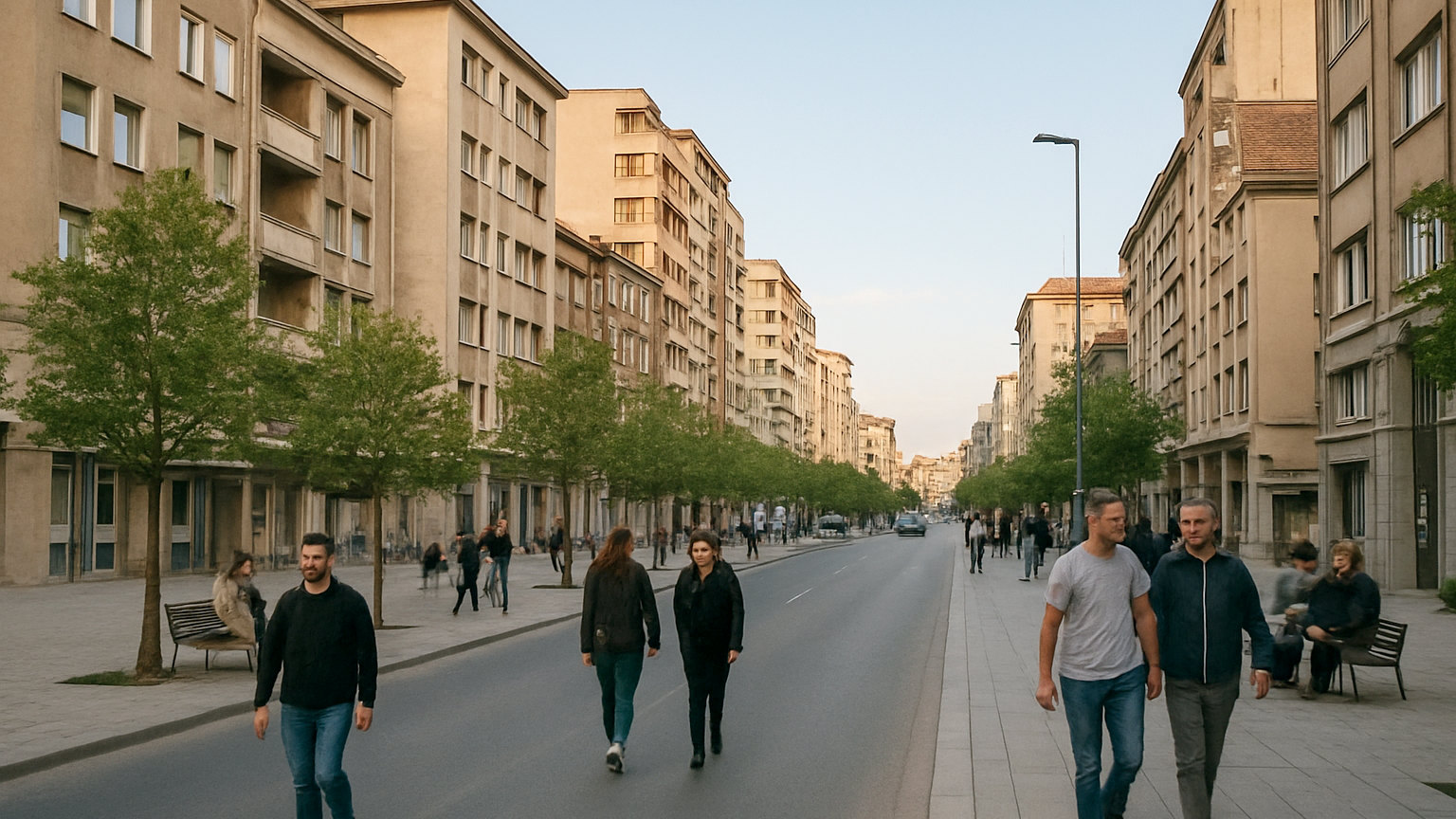
Young and sociable. Mother Teresa Boulevard fills in the evening with the whole city walking, and the cafe culture is strong and inexpensive. English is widely spoken among younger people.
How expensive is it?
Among the cheapest places in Europe. Coffee, meals and accommodation all cost very little, and Kosovo uses the euro despite being outside the eurozone.
Where should you go next?
Prizren, ninety minutes south, which is considerably more attractive than the capital, with an Ottoman old town, a hillside fortress and a river running through the centre. Most visitors find it the highlight of the country.
The Rugova valley near Peja for mountains and walking, and Gracanica monastery near the capital.
Is it safe?
Generally yes for visitors, with ordinary precautions. Political sensitivities exist and can affect particular areas, so checking current government travel advice before travelling is worthwhile.
How do you get there?
Flights to Pristina from several European cities, with the airport around twenty minutes from the centre. Buses connect to Skopje in two hours, Tirana in five and Belgrade in six.
What about entry requirements?
Kosovo is outside the Schengen area and its status is not recognised by every country, which occasionally affects onward travel. Check current entry requirements and any implications for your wider route before booking.
How long do you need?
One night in Pristina and two or three in the country. It combines naturally with Albania and North Macedonia in a longer Balkan trip.
When should you go?
Spring and autumn for walking and comfortable temperatures. Summer is hot and the mountains in winter have basic, cheap skiing.
What is the food like?
Balkan and Turkish influenced, with grilled meats, flija layered pastry and strong coffee. Portions are large and prices very low, and the bakery and burek culture is excellent for eating cheaply through the day.
What is the language situation?
Albanian is the main language, with Serbian also official. English is widely spoken among younger people, who make up a large share of the population, and communication is rarely a problem in the centre.
How walkable is it?
Entirely, and the centre is small. Mother Teresa Boulevard, the Newborn monument, the library and the old quarter all sit within twenty minutes on foot, which makes a single afternoon enough for the city itself.
What is the currency?
The euro, adopted unilaterally, which makes budgeting straightforward for visitors from the eurozone. Cards are accepted in the centre and cash is useful elsewhere.
How new is the country?
Kosovo declared independence in two thousand and eight, which is within living memory for everyone there and shapes a great deal of what you see, including the Newborn monument and the international presence in the city.
Is it walkable to the monastery?
Gracanica is a short drive rather than a walk, and taxis are cheap enough to make it straightforward.
It is worth reading alongside What Is Astana Famous For?, which takes a different angle, and the wider Destinations guides.
The short answer
Worth a night as part of a Balkan route rather than a trip in itself. See the Newborn monument and the National Library, enjoy very low prices and a young evening atmosphere, then go to Prizren, which is the better-looking town.