Venice is considerably smaller than people expect and can be walked end to end in about an hour. It also receives a very large number of day visitors who arrive mid-morning and leave in the late afternoon, which means the same streets are unbearable at two and empty at seven. Staying overnight is not a luxury here; it is the whole trick.
How long do you need?
Two nights, three if you want the lagoon islands. Venice is small and the pleasure of it is repetition rather than coverage, so a longer stay is about walking the same districts at different hours rather than finding new ones.
What are the essential sights?
St Marks Basilica, whose interior is covered in gold mosaic and which is best entered early or late. The Doges Palace next door, with the Bridge of Sighs. The Rialto Bridge and the market beside it, which is a working fish market in the morning. The Accademia for Venetian painting, and the Peggy Guggenheim Collection for modern work in a canal-side house.
Where should you stay?
Cannaregio or Dorsoduro rather than San Marco. Both are proper neighbourhoods with residents, restaurants at normal prices and a ten-minute walk to everything, and both are considerably quieter in the evening. Castello is the least visited sestiere and the cheapest. Staying on the mainland at Mestre saves money and removes the point of the trip.
Is a gondola worth the money?
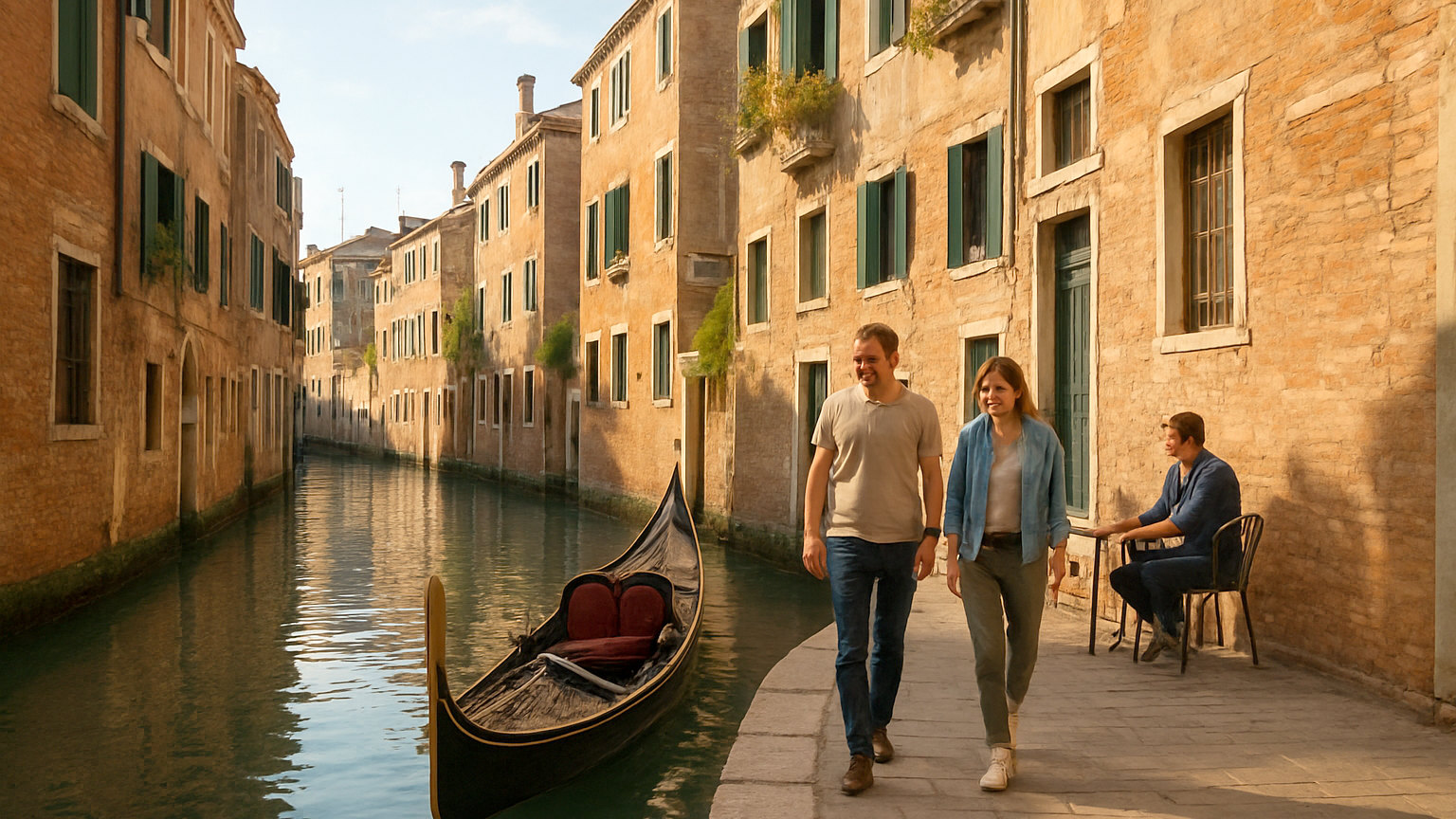
The price is fixed by the city, rises after seven in the evening and is charged per gondola rather than per person, so it is much better value shared. The quieter back canals are far more pleasant than the Grand Canal. The cheap alternative is the traghetto, a standing gondola ferry that crosses the Grand Canal for a couple of euros.
Should you visit the islands?
Burano, for the painted houses, is the most photogenic place in the lagoon and is worth a half day. Murano for glass is closer and less interesting. Torcello, almost empty, has a cathedral with Byzantine mosaics and is the most atmospheric of the three. The vaporetto to all of them runs from Fondamente Nove.
What about the day tripper fee?
Venice has introduced a charge for day visitors arriving on certain peak days, payable in advance with a QR code. Overnight guests are exempt but should still register, since hotels charge a separate city tax. The rules change between years, so check the current position before travelling.
When is the best time to visit?
April, May, late September and October. Summer is hot, crowded and the canals smell in the heat. Winter is atmospheric and cheap, with the caveat of acqua alta, the tidal flooding most likely between October and January, when raised walkways appear in St Marks Square. Carnival in February is spectacular and the busiest week of the year.
What do people get wrong?
Eating within sight of St Marks, where prices are high and quality is low, and sitting down at a cafe in the square without checking the music surcharge. The second is trying to use a map: getting lost is unavoidable and is genuinely the best part.
How much should you budget?
Venice is expensive and unevenly so. Accommodation in Cannaregio or Castello costs substantially less than the same standard near San Marco, and eating away from the main routes roughly halves the bill. The vaporetto is the hidden cost, since single tickets are steep and a multi-day travel pass pays for itself in about three journeys.
What is worth seeing that most people miss?
The Scuola Grande di San Rocco, whose ceilings are covered in Tintoretto paintings and which is almost empty compared with the Accademia. The Libreria Acqua Alta, a bookshop that stores its stock in bathtubs and a gondola against the flooding.
Florence in Two Days: Art, Views and Where to Eat goes into more detail on a closely related question, and the rest of our Destinations section covers the wider subject.
The short answer
Two or three nights in Cannaregio or Dorsoduro. See St Marks early, walk the back canals after six when the day visitors have gone, take a traghetto instead of a gondola if the budget is tight, and give Burano a half day.