
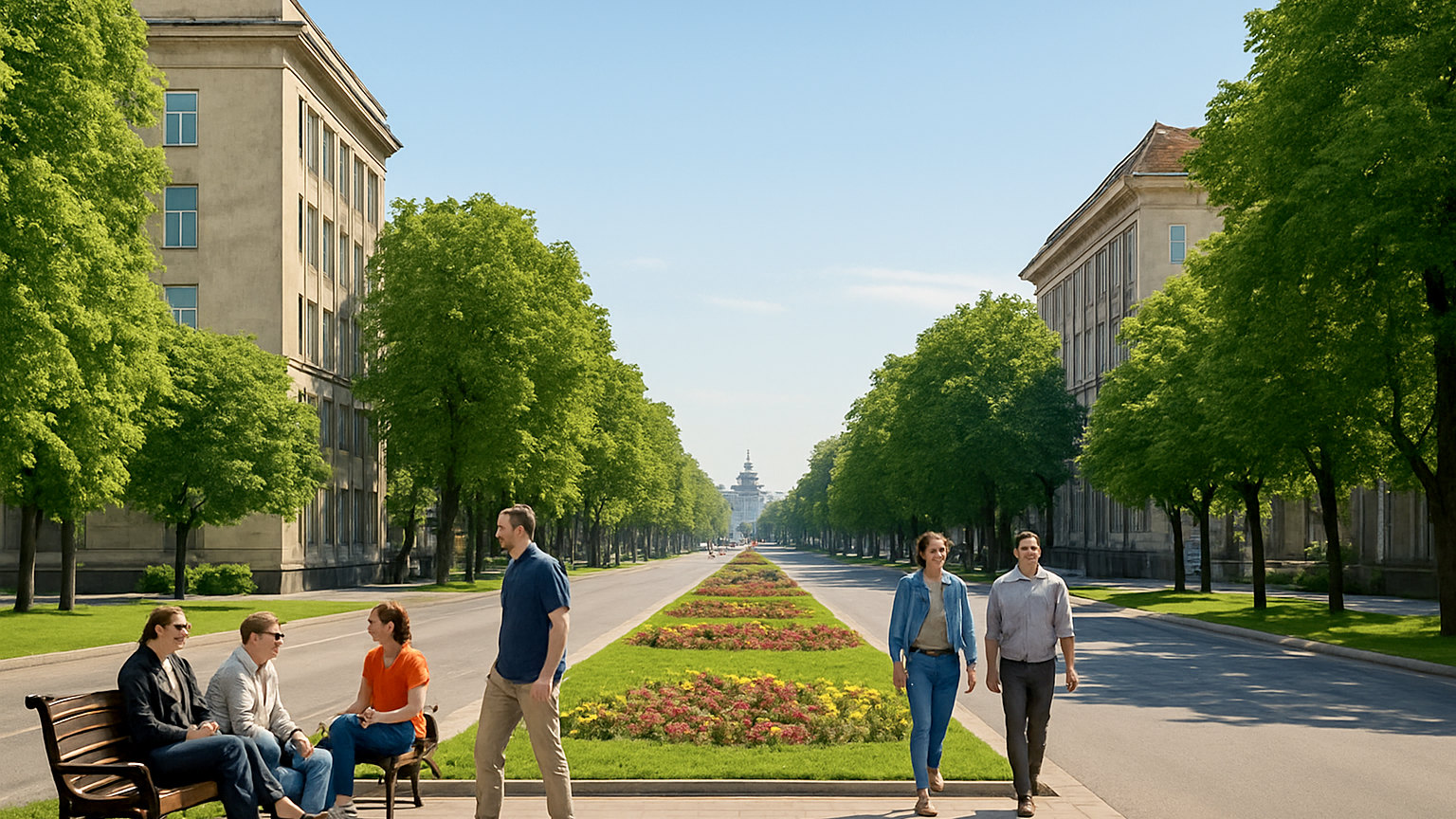
Chisinau is the capital of Moldova and among the least visited in Europe. It is a green, low-rise, Soviet-planned city with a relaxed feel, and the country principal attraction is not in the city at all but beneath the countryside outside it.
What is the city like?
Leafy and low-key. Wide boulevards, a great deal of park space, Soviet civic architecture alongside nineteenth century buildings, and a pace considerably slower than most European capitals. It is pleasant rather than spectacular.
What should you see in the city?
The Nativity Cathedral and its bell tower in the central park. The Triumphal Arch. Stefan cel Mare park and boulevard. The National Museum of History. Most of it can be covered in a single walk of a few hours.
What are the wine cellars?
The reason most visitors come. Cricova and Milestii Mici are vast underground limestone tunnel networks converted into wine storage, with roads running through them that you tour by vehicle. Milestii Mici holds one of the largest wine collections in the world.
Both are half an hour from the city and both require booking in advance.
Is Moldovan wine any good?
Genuinely, and it is very cheap. The country has a long viticultural tradition and a growing reputation, with indigenous grape varieties alongside international ones. Wine is the best thing to bring home.
What else is nearby?
Orheiul Vechi, an hour north, a cave monastery cut into a limestone cliff above a river bend, which is the most striking landscape in the country. Several wineries offer tastings and accommodation.
What about Transnistria?
A breakaway region east of the Dniester with its own administration, not recognised internationally. It is sometimes visited as a day trip and the situation is sensitive and can change. Check current government travel advice before considering it.
How expensive is it?
Among the cheapest countries in Europe. Meals, transport and accommodation in Chisinau cost noticeably less than in neighbouring Romania.
How long do you need?
Two or three nights: a day for the city, a day for the cellars and a day for Orheiul Vechi or a winery.
How do you get there?
Flights to Chisinau from several European hubs, with connections from the UK. The airport is close to the centre. Moldova is outside the Schengen area and entry requirements should be checked before travelling.
When should you go?
Late spring and early autumn. September and October coincide with the harvest and the national wine festival, which is the best time to visit the country.
What about the language?
Romanian, effectively the same language as in Romania, with Russian widely spoken. English is less common than in most European capitals outside hotels and younger circles, so a translation app is genuinely useful.
How do you get around?
The centre is walkable and flat. Trolleybuses and minibuses cover the rest cheaply, and taxis and ride-hailing are inexpensive. For the cellars and Orheiul Vechi, a tour or a driver is simpler than public transport.
Is it walkable?
Very. The centre is flat, laid out on a grid and unusually green, and the main sights sit within a twenty-minute walk of each other. Chisinau is among the easier European capitals to see on foot in a single day.
What about safety?
Generally safe with ordinary precautions, and the centre is busy in the evening. Current government travel advice is worth checking given the wider regional situation.
Why do so few people visit?
Partly obscurity and partly the absence of a famous sight. Moldova has no coastline, no mountains and no single landmark that appears on a poster, which keeps visitor numbers among the lowest in Europe and prices correspondingly low.
Anyone weighing this up will also want Is Pristina Worth Visiting?, along with the rest of the Destinations section.
The short answer
The city itself is a pleasant half day of parks and boulevards; the reasons to come are the Cricova and Milestii Mici wine cellars and the cave monastery at Orheiul Vechi. Allow two or three nights, book cellar tours ahead, and go at harvest in September or October.


