Germany is one of the more straightforward European countries to travel in, with excellent transport, high English proficiency and very little to go wrong. What catches visitors out is not difficulty but convention: a handful of firm local norms that are unwritten and consistently applied.
Do you need cash in Germany?
More than anywhere else in western Europe, yes. Card acceptance has improved a great deal but is still not universal, and it is entirely normal for a busy restaurant, a bakery or a small museum to be cash only. Carry fifty to a hundred euros as a working float. It is also worth knowing that many places accept only domestic debit cards rather than credit cards, so seeing a card machine does not guarantee yours will work.
What happens on Sundays?
Almost all shops close, including supermarkets, and this is enforced by law rather than by habit. Restaurants, cafes, museums and transport run normally. The practical effect is that arriving on a Sunday with an empty fridge in a self-catering apartment is a genuine problem. Station supermarkets and petrol stations are the usual exceptions.
Is the public transport as good as its reputation?
Local transport, yes. City trams, buses and underground systems are excellent, frequent and well signed. Long-distance rail is a different matter and German punctuality is now something of a national joke: significant delays on the intercity network are common. Build slack into any journey with a connection, and treat a tight transfer at a hub as optimistic.
Tickets are usually bought before boarding and must be validated where a machine is provided. Inspections are frequent, unannounced and unsympathetic, and the fine is charged regardless of intent.
What are the social rules worth knowing?
Crossing at a red pedestrian light is genuinely frowned upon, especially with children present, and you will be told. Cycle lanes are often paved differently from the pavement rather than painted, and standing in one causes real annoyance. Quiet hours in residential areas, generally at night and often on Sundays, are observed seriously.
Tipping is modest. Rounding up or adding around five to ten per cent is normal, and it is handed to the server when paying rather than left on the table.
How different are the regions?
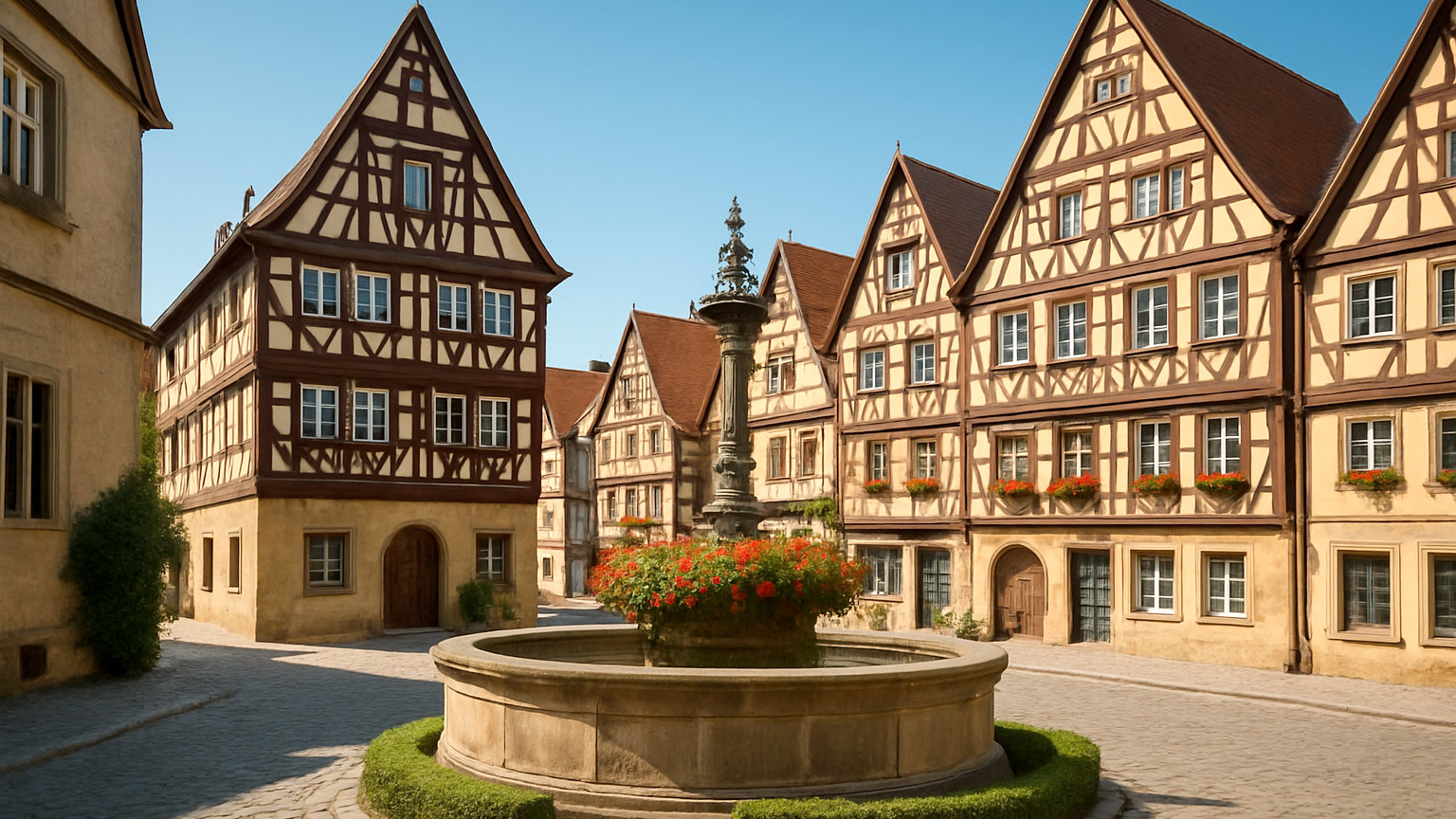
Considerably more than visitors expect. Bavaria in the south, with Munich, the Alps and the beer hall tradition, is what most people picture and is not representative. The Rhine and Mosel valleys are wine country. Berlin is unlike the rest of the country in almost every respect. Hamburg and the north are maritime and reserved. Choosing Germany does not narrow the trip much until you choose the region.
When is the best time to visit?
May to September for warmth and for the outdoor culture that makes German cities pleasant. Late November and December for the Christmas markets, which are the country at its best and also its busiest. January to March is cold and grey with the fewest visitors, which suits museums and cities.
Is it expensive?
Mid-range and good value for what you get. Accommodation is cheaper than France or Italy in comparable cities, eating out is reasonable, and beer is inexpensive. Munich in the Oktoberfest period is the main exception, when accommodation prices multiply.
Which German cities are worth the trip?
Berlin for modern history, museums and a character unlike any other European capital. Munich for the Alps on the doorstep, the beer gardens and the easiest access to Bavaria. Hamburg for water, architecture and the best food scene in the country. Cologne and Dresden reward two nights each. Beyond the cities, the Rhine and Mosel valleys, the Black Forest and the Bavarian Alps are the classic rural choices, and all three are straightforward to reach by train.
Anyone weighing this up will also want Which European Countries Are Easiest Without a Car?, along with the rest of the Destinations section.
The short answer
Carry cash, do not plan to shop on a Sunday, validate your ticket, wait at the red light, and allow slack on long-distance trains. Choose the region deliberately, because Bavaria and Berlin have very little in common.