
Belgium is the easiest country in Europe to see properly in a short trip. The major cities sit within forty minutes of each other by train, the tickets are cheap and unreserved, and you can reasonably base yourself in one place and see four. The awkward part is that the capital is the least interesting of them.
Bruges or Ghent?
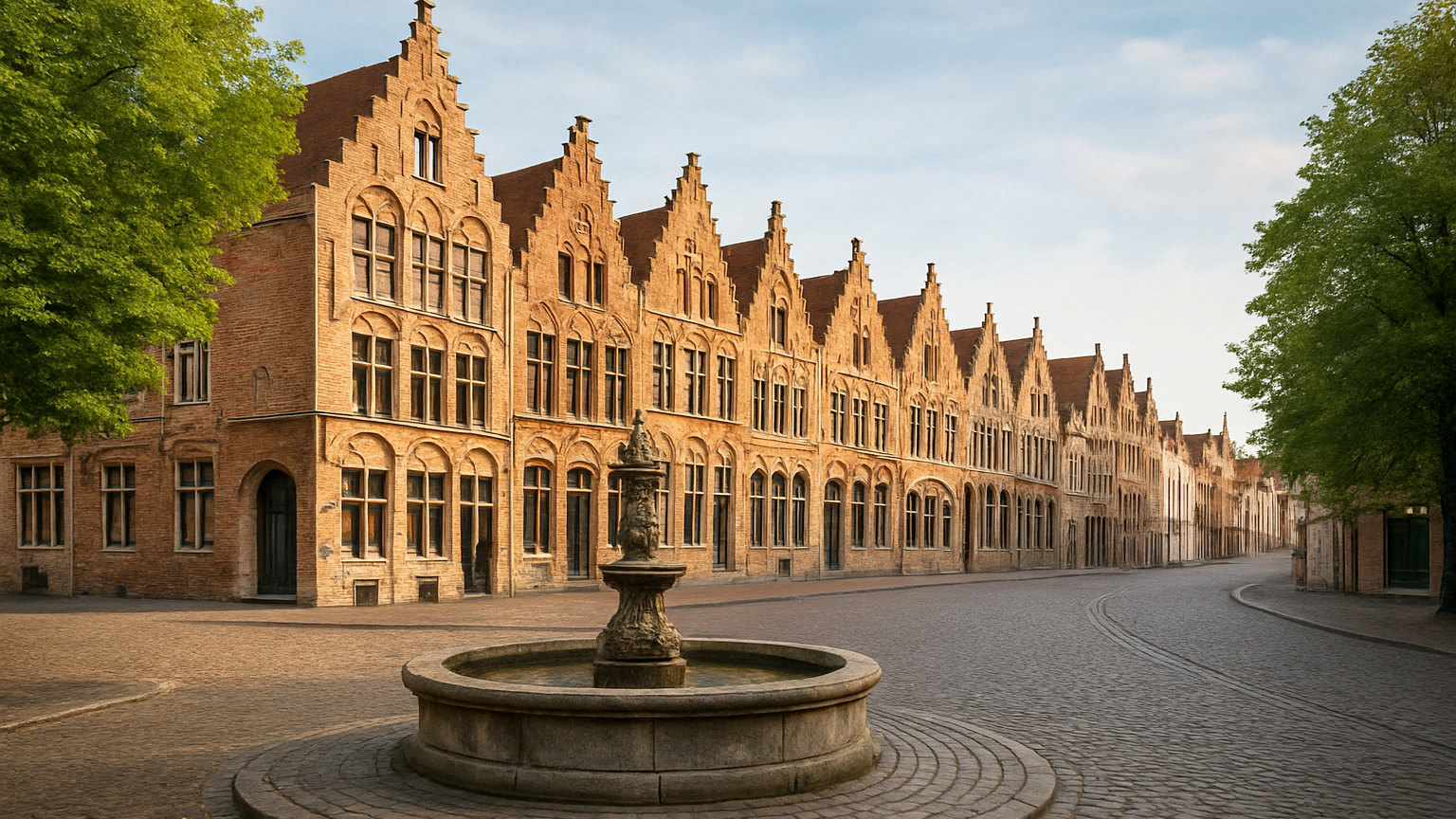
Ghent, for most people, though the honest answer is both. Bruges is the more perfectly preserved and the more crowded, a medieval merchant city of canals and stepped gables that receives enormous day-trip numbers and empties dramatically in the evening. Ghent is larger, has an equally fine centre, a genuine student population and far fewer visitors, which makes it the better place to stay.
Is Brussels worth time?
Two nights, and it is better than its reputation. The Grand Place is among the finest squares in Europe, the art nouveau architecture of Horta is remarkable, and the Magritte Museum and the comic strip centre are both strong. It is scruffier and less picturesque than the Flemish cities, which is why it disappoints people expecting Bruges.
What about Antwerp?
Two nights, and it is the most modern-feeling city in the country. It has a cathedral holding several Rubens paintings, the diamond quarter, a strikingly good fashion scene and the best contemporary architecture in Belgium at the port house and the MAS museum.
Is the Belgian coast worth a day?
It is one long sandy beach with a tram running its entire length, which is unusual and genuinely useful. Ostend and Knokke are the main resorts, the architecture is mostly modern apartment blocks, and the sea is cold. Belgians holiday here in numbers and foreign visitors rarely do.
What is in the Ardennes?
Forested hills, rivers, caves and castles in the French-speaking south, which is where Belgium goes walking and kayaking. Dinant on the Meuse and the castle at Bouillon are the set pieces. The Bastogne war museum covers the Battle of the Bulge. This part of the country needs a car.
How seriously should you take the beer?
Seriously. Belgian brewing is on the UNESCO intangible heritage list, the range runs from trappist ales to sour lambics aged in barrels, and each beer is served in its own glass, which is not affectation. Bruges, Ghent and Brussels all have bars with lists running to hundreds. The strengths are higher than they taste.
Is Belgium expensive?
Mid-range and cheaper than the Netherlands next door, particularly for accommodation. Restaurant prices in Bruges city centre are tourist-facing; the same meal in Ghent or Antwerp costs noticeably less. Rail fares within the country are low and there are cheap weekend and multi-journey passes.
When is the best time to visit?
May, June and September for mild weather and lighter crowds. December for the Christmas markets, which are good in every one of the main cities. The weather is unreliable throughout the year, which matters less here than in most places, since the cities are compact and the museums and bars are the point.
Do you need a car?
Not for the cities, which are linked by frequent trains taking well under an hour between any two of them, and where parking is expensive and the centres are largely pedestrianised. A car is worth having only for the Ardennes, where the villages and viewpoints sit well away from the rail network. The coastal tram makes the beach strip accessible without one.
What do people get wrong?
Basing in Bruges and wondering why the evenings are quiet, when Ghent or Antwerp offer the same architecture with a working city around it. The second is expecting Brussels to look like the Flemish towns, which it does not, and dismissing it before finding the art nouveau streets.
Where to Visit in Malta: Valletta, Gozo and the Coast is the natural next read, alongside the wider Destinations section.
The short answer
Base in Ghent for three nights, take Bruges as a day and stay for the evening, add Antwerp for two and Brussels for one or two. Skip the coast unless you want a beach, and take the Ardennes only if you have a car.


