
France can host almost any holiday, which is why choosing it settles very little. Provence in June and the Alps in February have nothing in common beyond the language, so the practical approach is to decide the shape of the trip first and then find the region that delivers it.
Is Paris worth the time?
Yes, and three nights is the minimum. The Louvre, the Musee d Orsay, Notre-Dame, the Eiffel Tower and Montmartre are the obvious anchors, and the city is at its best in the gaps between them, in the markets and along the canals. Versailles is a full day and best reached early. Four nights allows one day trip without losing Paris itself.
Where should you go for warmth?
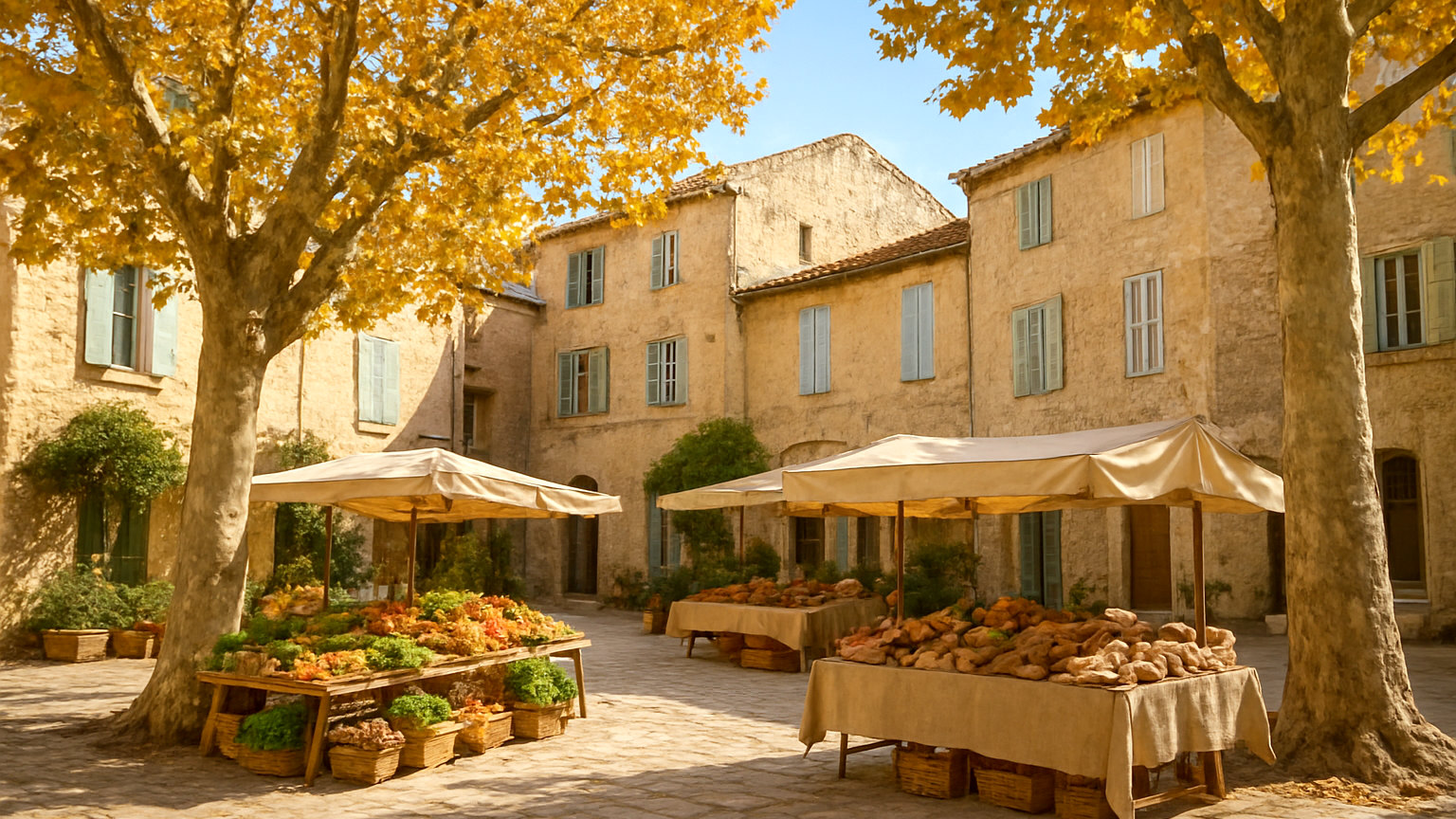
Provence and the Cote d Azur. Provence gives you hill villages, lavender in late June and early July, Roman remains at Nimes and Arles, and markets that are the point of the region. The Cote d Azur adds the coast, with Nice as the practical base, Antibes and Menton as the pleasant stops, and Cannes and Saint-Tropez as the expensive ones. Both are busy and costly in August.
Which regions suit a family self-catering trip?
The Dordogne and Brittany, for different reasons. The Dordogne offers rivers, castles, prehistoric caves at Lascaux and a very large supply of houses with pools. Brittany offers a rugged coast, walled Saint-Malo, huge tidal beaches and a shorter drive from the Channel ports. Both effectively require a car.
What about the wine regions?
Burgundy for the most concentrated great vineyards and the prettiest villages, Bordeaux for the grandest estates and an excellent city to base in, and Alsace for the best combination of wine, food and half-timbered towns. Alsace also runs the finest Christmas markets in France, centred on Strasbourg and Colmar.
Where do the mountains fit?
The Alps for skiing between December and April, with Chamonix, Val d Isere and the Three Valleys as the well-known names. In July and August the same resorts become excellent and much cheaper walking destinations, which very few British visitors use. The Pyrenees are quieter, wilder and less developed.
How easy is France to get around?
Between cities, very. The high-speed network reaches Lyon in two hours from Paris, Bordeaux in a little over two and Marseille in three, and fares booked well ahead are cheap. Rural France is the opposite and effectively requires a car, because regional buses run to school and commuter timetables rather than to the places visitors want to reach.
How long do you need?
Three or four nights for Paris, a week for any rural region, and ten days if you want to combine Paris with somewhere else. The driving distances inland are larger than they look on a map.
When is the best time to visit?
May, June and September almost everywhere. August is the month to avoid inland, because much of France takes its own holiday at once and city restaurants and small businesses shut for weeks while the coasts and the Alps fill up.
What do people get wrong?
Lunchtime. Outside cities, restaurants serve between roughly noon and two and then stop, and shops close with them. Arriving hungry at three in a small town is the classic error. The second is skipping the greeting: opening with bonjour before anything else changes the reception considerably.
Is France expensive?
Mid-range, with sharp local variation. Paris and the Cote d Azur are expensive; rural France is not, and the set lunch menu remains one of the best value meals in Europe. Motorway tolls and fuel add up quickly on a driving holiday and are worth budgeting rather than discovering, since crossing the country by autoroute can cost more than a domestic flight.
Which region suits a first visit?
Paris plus one other, rather than a tour. Paris with the Loire chateaux, or Paris with Normandy and the D-Day beaches, both work in a week and neither involves a long transfer.
If you are planning further, What to See in Greece: Islands, Ruins and Coastline covers the next part of the decision, and there is more in our Destinations guides.
The short answer
Paris for a short break, Provence for warmth and markets, the Dordogne or Brittany for a family week, Burgundy or Alsace for wine, and the Alps for both winter and a badly underrated summer. Choose one region per trip and plan around lunchtime.


