
Sweden is the largest of the Nordic countries and the one most often reduced to a single weekend in its capital. Stockholm deserves that weekend, but the archipelago on its doorstep, the southern coast and the Arctic north are three entirely separate holidays, and the distances between them are considerable.
How long does Stockholm need?
Three nights. The city is built across fourteen islands, and the old town of Gamla Stan, the Vasa Museum with its salvaged seventeenth-century warship, and the open-air museum at Skansen are the three fixed points. The Vasa is the single most impressive museum object in Scandinavia and justifies the visit on its own.
Is the archipelago worth a day?
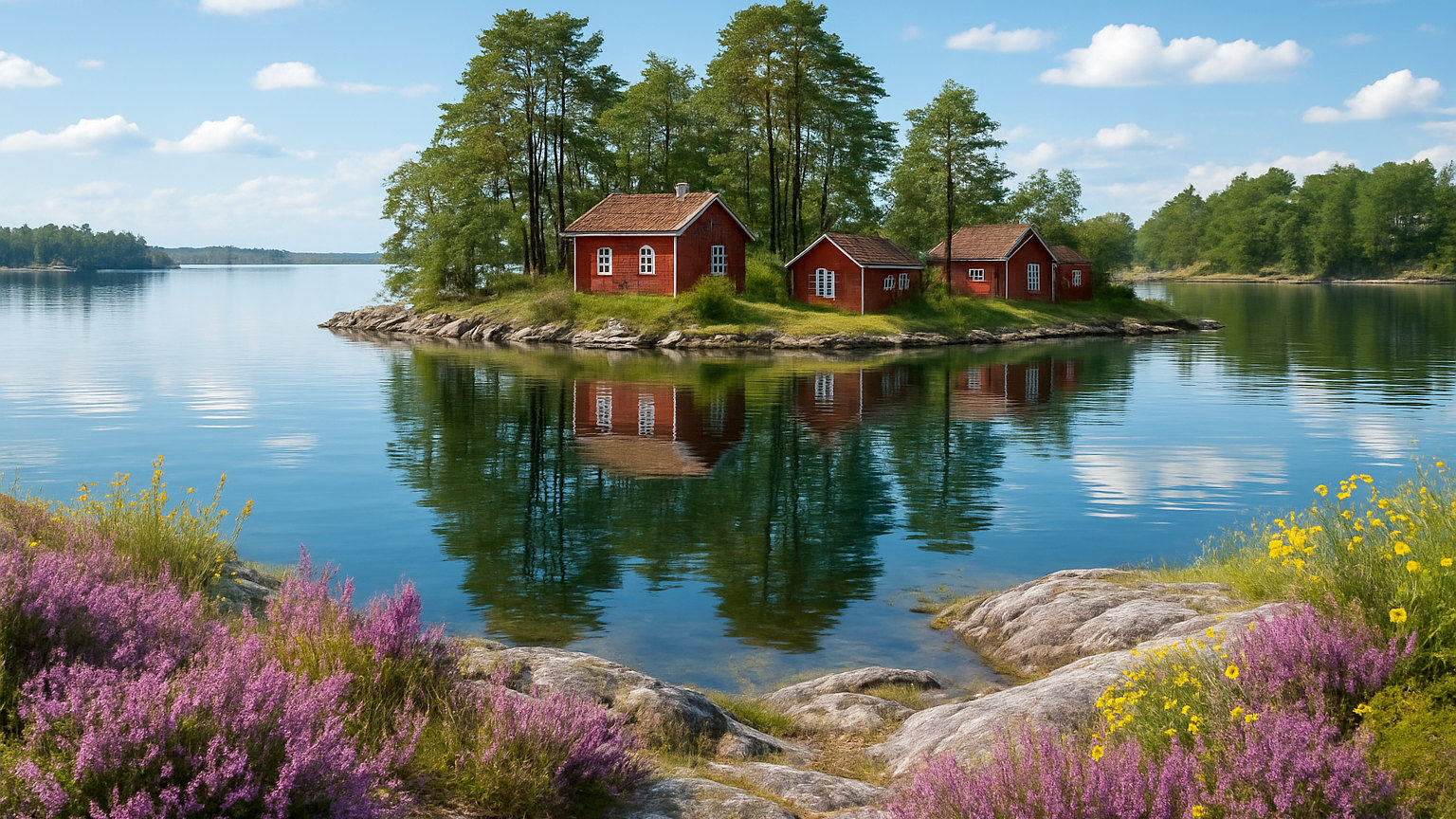
More than a day if you can. Thirty thousand islands run east from the city, served by scheduled ferries that are part of the public transport network rather than an excursion. Vaxholm is the easy half-day, Sandhamn and Uto are worth an overnight, and the further out you go the emptier it becomes. Summer only, effectively, since services thin sharply from September.
What is the south like?
Completely different in character and much closer to Denmark. Malmo sits at the Danish end of the Oresund bridge, Lund is a university town, and the Skane countryside has castles, farmland and long sandy beaches at Ystad and Falsterbo. This is the warmest and most agricultural part of Sweden and the easiest to combine with Copenhagen.
Where should you go for the Arctic?
Swedish Lapland, reached by flight or an overnight train to Kiruna or Abisko. Abisko has a reputation for unusually clear skies and is among the better places in Europe for northern lights. The Icehotel at Jukkasjarvi is rebuilt each winter. In summer the same region offers the midnight sun and the Kungsleden long-distance walking trail.
What about Gothenburg and Gotland?
Gothenburg is the second city, with canals, a strong food scene and the Liseberg amusement park, and it is the gateway to the west coast islands. Gotland in the Baltic has a walled medieval town at Visby, limestone sea stacks and the warmest, driest summer weather in the country, which makes it the Swedish summer holiday destination.
Is Sweden expensive?
Less than Norway and more than Germany. Alcohol is sold through a state monopoly and is costly, restaurants are expensive in the evening and reasonable at lunch, when the dagens ratt set menu is very good value. The right to roam allows wild camping almost anywhere, which makes an outdoor trip far cheaper than a city one.
When is the best time to visit?
June to August for the archipelago, the coast and the long northern days. Midsummer in late June is the biggest event of the year and largely closes the country for a few days. December to March for the Arctic, snow and lights. April, May and November are the quietest and least rewarding months.
Do you need a car?
Not for Stockholm, Gothenburg, Malmo or the archipelago, all of which are well served by train and ferry. A car helps in Skane and on Gotland, and is close to essential for exploring inland Lapland, where the distances are long and the bus services infrequent.
What do people get wrong?
Treating Sweden as a short-hop country. Stockholm to Kiruna is roughly the distance from London to Milan, and the overnight train that covers it takes around sixteen hours. Flying north is usually the sensible choice despite the cost. The second mistake is arriving in late June without checking the midsummer dates, when shops, restaurants and even some transport close for several days and the cities empty entirely.
What should you eat?
The weekday lunch, which is where Swedish restaurants do their best work at a fixed low price. Beyond that, the classic is not meatballs but the shellfish and pickled herring of the west coast.
What to See in Denmark: Copenhagen and Beyond is the natural next read, alongside the wider Destinations section.
The short answer
Three nights in Stockholm with at least one day in the archipelago, Gotland or Skane for a summer week, and Lapland as a separate winter trip. Eat the set lunch rather than dinner, and travel in summer unless the northern lights are the point.


