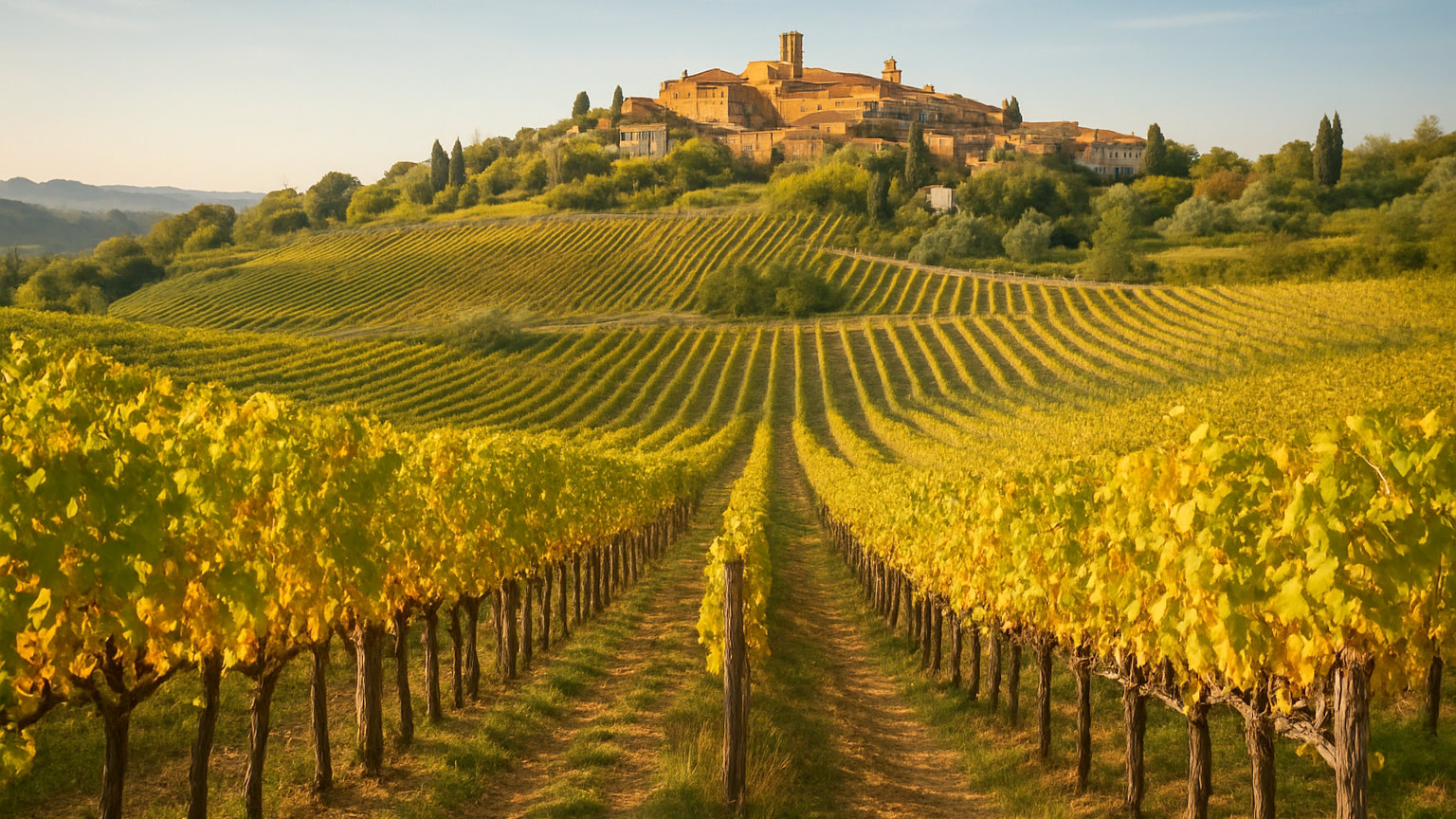
Piedmont sits in the northwest of Italy below the Alps and produces what most critics consider the country finest red wines. The Langhe hills around Alba are UNESCO listed, the landscape is steeper and more worked than Tuscany, and the region receives a small fraction of the visitors, largely because it has no famous city and no coastline.
What do they make here?
Barolo and Barbaresco, both made from nebbiolo, are the prestige wines: pale in colour, high in tannin and acidity, and built to age for decades. Barbera and Dolcetto are the everyday reds and are far better value. Gavi and Arneis are the whites, and Moscato d Asti and Asti Spumante are the sweet sparkling wines from the north of the region.
Where should you base?
Alba, the main town, which has restaurants, shops and a Saturday market and puts you within twenty minutes of both Barolo and Barbaresco. La Morra for the best views across the Barolo vineyards. Barolo village itself is tiny and pretty. Neive and Barbaresco for the other zone. Turin, an hour away, is a serious city and works as a bookend rather than a base.
How do you visit the wineries?
By appointment and in smaller numbers than in France. Many Piedmontese producers are family operations making a few thousand bottles, and a visit is often with the winemaker rather than a guide. Book a week or two ahead by email. Tastings are informal, generous and usually inexpensive. The regional wine shops, the enoteche, in Barolo and Grinzane Cavour let you taste across many producers in one place.
Is the truffle season worth timing?
It is the single best reason to come. The white truffle of Alba is harvested from roughly October to December and the town holds a fair across those weekends. Prices are extraordinary and a few shavings over pasta is the usual portion. Accommodation across the Langhe books out for the fair weekends, so plan months ahead if this is the point of the trip.
What else is worth doing?
Turin, which has the best baroque architecture in Italy, an outstanding Egyptian museum and a cafe culture of its own. The castle at Grinzane Cavour with its wine museum. The Barolo wine museum. Walking or cycling the marked paths between villages, which is how to see the Langhe properly.
When is the best time to visit?
September to November, which covers the harvest, the autumn colour on the vines and the truffle season, and is when the region is at its best. May and June are green and quiet. Winter is cold and foggy, which is atmospheric and closes a good deal. August is quiet in a different way, as many producers take holiday.
How much should you budget?
Cheaper than Tuscany for accommodation and eating, and more expensive for the wine itself if you buy Barolo. Restaurant prices in the Langhe are moderate for the quality, which is high: this is one of the best eating regions in Italy. Truffle weekends are the exception and rates rise sharply.
What do people get wrong?
Expecting Tuscany. The Langhe is steeper, greyer in winter, more agricultural and less obviously pretty, and there are no hill towns of the San Gimignano type. It rewards people who care about the wine and the food rather than the scenery alone.
How long do you need?
Four nights covers the Langhe comfortably, with two days of visits and one for walking or Turin. A week if you are adding the Alps or the Ligurian coast, both of which are within two hours.
What should you eat?
Tajarin, a very fine egg pasta, vitello tonnato, and brasato al Barolo, beef braised in the local wine. The autumn menus are built around truffle and porcini, and the hazelnut cake is the regional dessert.
If you are planning further, The Prosecco Hills: Where Italy Sparkling Wine Grows covers the next part of the decision, and there is more in our Destinations guides.
The short answer
Four nights based in Alba or La Morra with a car and a nominated driver. Book two or three small producers ahead, drink Barbera with dinner and save Barolo for the tastings, and come in October if you want truffles.