
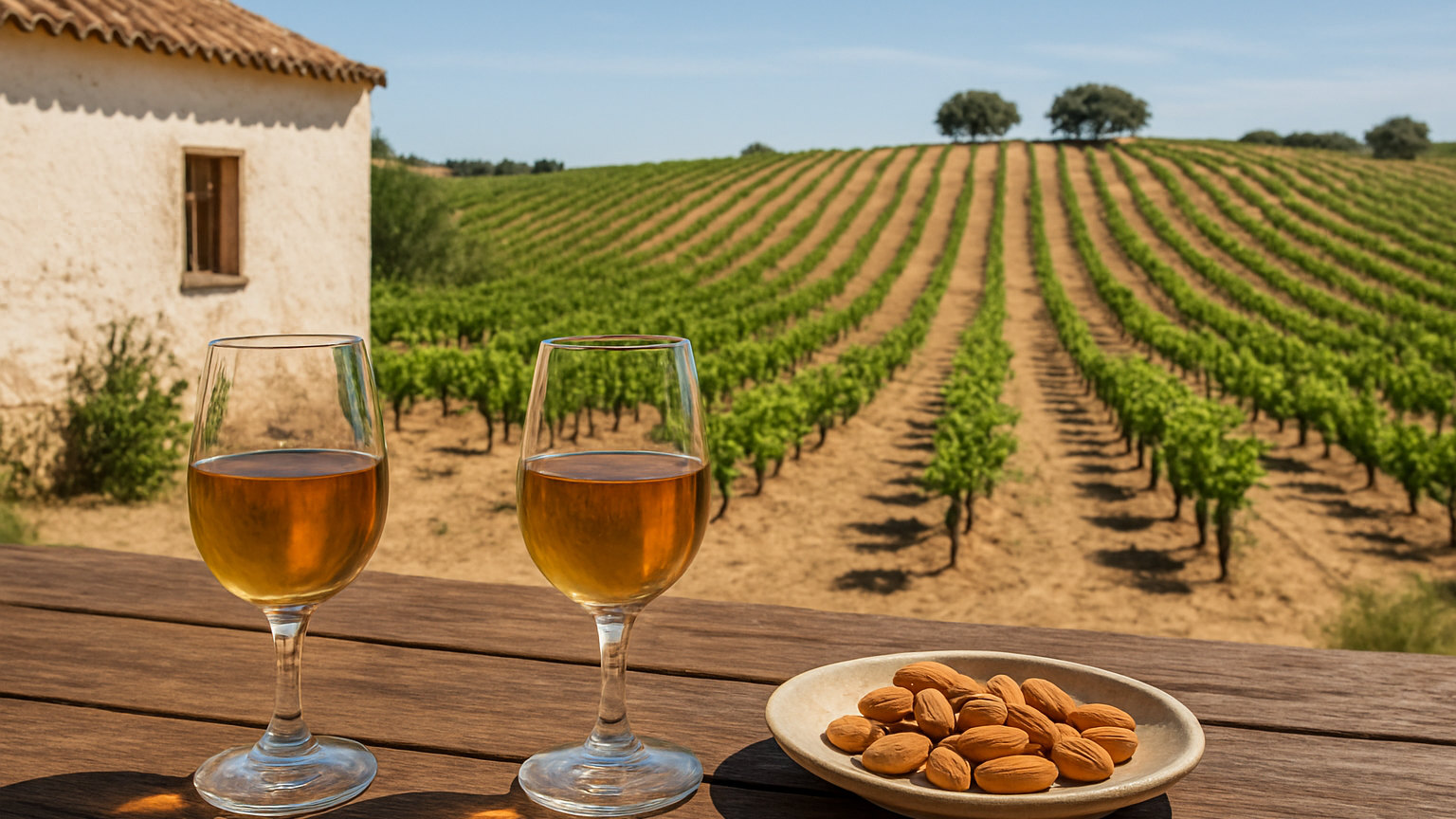
Sherry comes from a small triangle of chalky white soil in southwest Andalusia between Jerez de la Frontera, El Puerto de Santa Maria and Sanlucar de Barrameda. It is among the most complex wines made anywhere and among the cheapest to buy, largely because a generation associated it with a sweet cream bottle at Christmas. The region is correspondingly undervisited.
What are the styles?
Fino and manzanilla are bone dry, pale and aged under a layer of yeast called flor, which keeps oxygen away. Amontillado begins that way and then ages in contact with air, becoming nutty. Oloroso is aged oxidatively from the start and is fuller and darker. Palo cortado sits between the last two. All of these are dry. Pedro Ximenez is the intensely sweet one, and cream sherry is a sweetened blend made largely for export.
How is it made differently?
Through the solera, a system of stacked barrels in which a portion is drawn from the oldest row and replaced from the row above, and so on, so that every bottle contains a fraction of much older wine. Nothing is a single vintage. Walking through a bodega and seeing the rows explained is what makes the whole category make sense.
Which town should you base in?
Jerez for the largest bodegas, the horses and the flamenco, and for the best transport connections. Sanlucar, at the mouth of the Guadalquivir, for manzanilla, seafood and a seaside setting, which is the most enjoyable of the three. El Puerto de Santa Maria for a quieter option with a ferry across the bay to Cadiz.
How do you visit the bodegas?
Book ahead, particularly for the large houses such as Gonzalez Byass and Lustau in Jerez or Barbadillo in Sanlucar. Tours are cheap, generous and well run, typically an hour with several tastings. Smaller almacenistas require more effort and are more rewarding. The tabancos of Jerez, old sherry taverns serving straight from the barrel, are the informal alternative and cost almost nothing.
What else is worth doing?
The Royal Andalusian School of Equestrian Art in Jerez, which runs a formal horse display several times a week. Flamenco, which has genuine roots here rather than a tourist version, best seen in a pena. The Sanlucar horse races on the beach in August, run at low tide, which are among the oldest in Spain. Cadiz and Vejer de la Frontera are both close.
When is the best time to visit?
March to June and September to November. The Feria del Caballo in Jerez in May is the biggest event of the year. July and August are extremely hot inland, though Sanlucar on the coast stays bearable. The harvest is in early September and is the earliest in Spain.
How much should you budget?
Very cheap. This is one of the least expensive wine regions in western Europe for accommodation, eating and the wine itself, and a glass in a tabanco costs less than a coffee. The quality-to-price ratio on aged sherry bought at a bodega is extraordinary.
What do people get wrong?
Thinking sherry is sweet. The overwhelming majority made here is completely dry and is drunk cold with food, particularly seafood and jamon. Fino and manzanilla are also fragile once opened and should be treated like white wine rather than a spirit.
How do you get there?
Jerez has its own small airport, and Seville is around an hour away by train with far more flights. The three sherry towns are linked by train and bus, and Cadiz is half an hour from El Puerto by ferry across the bay. A car is useful and not essential, which is unusual for a wine region.
The Douro Valley: Port, Terraces and the Train goes into more detail on a closely related question, and the rest of our Destinations section covers the wider subject.
The short answer
Three or four nights split between Jerez and Sanlucar. One large bodega tour to understand the solera, several tabancos for the drinking, seafood at Sanlucar with cold manzanilla, and a flamenco evening in a pena.


