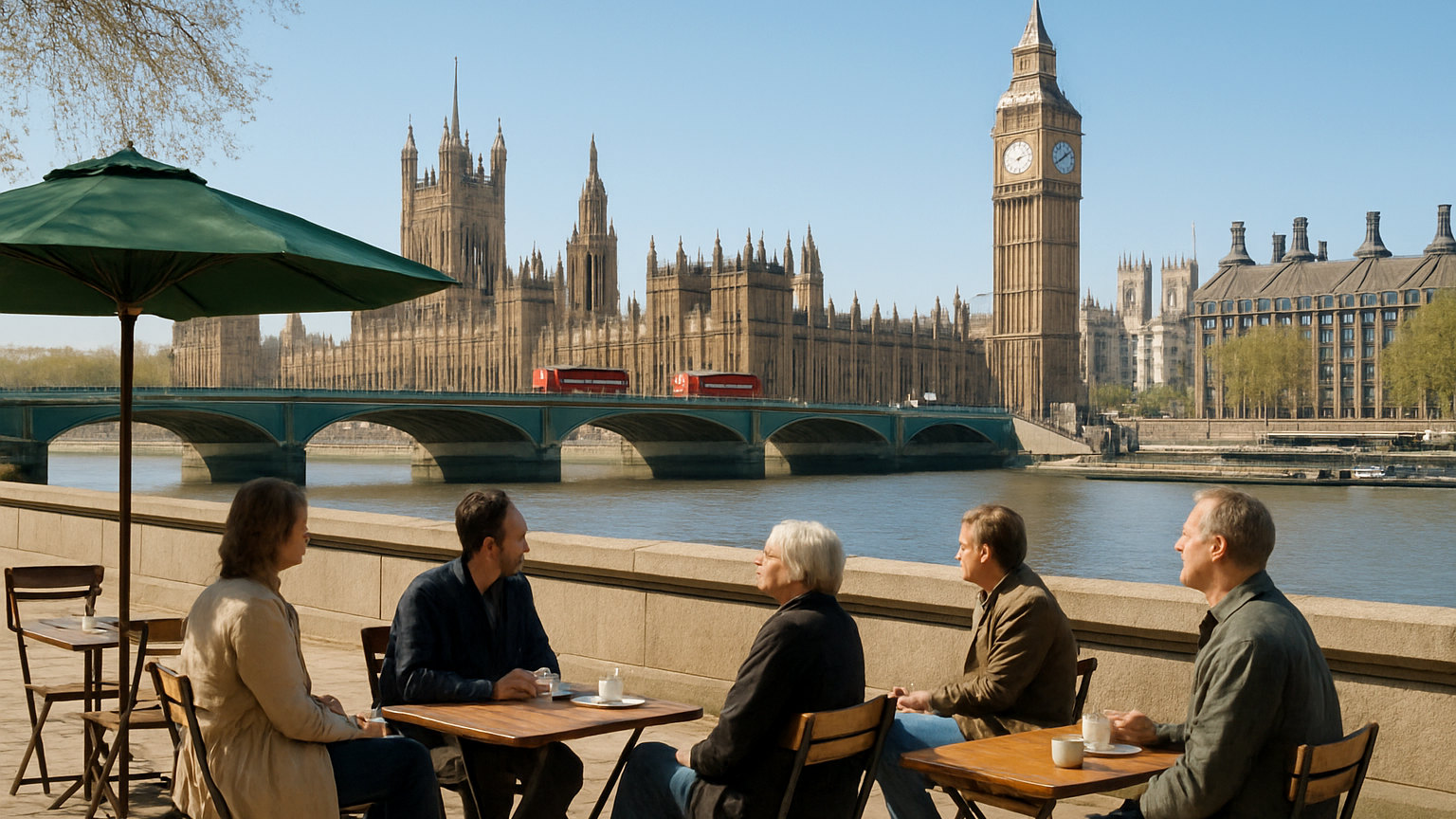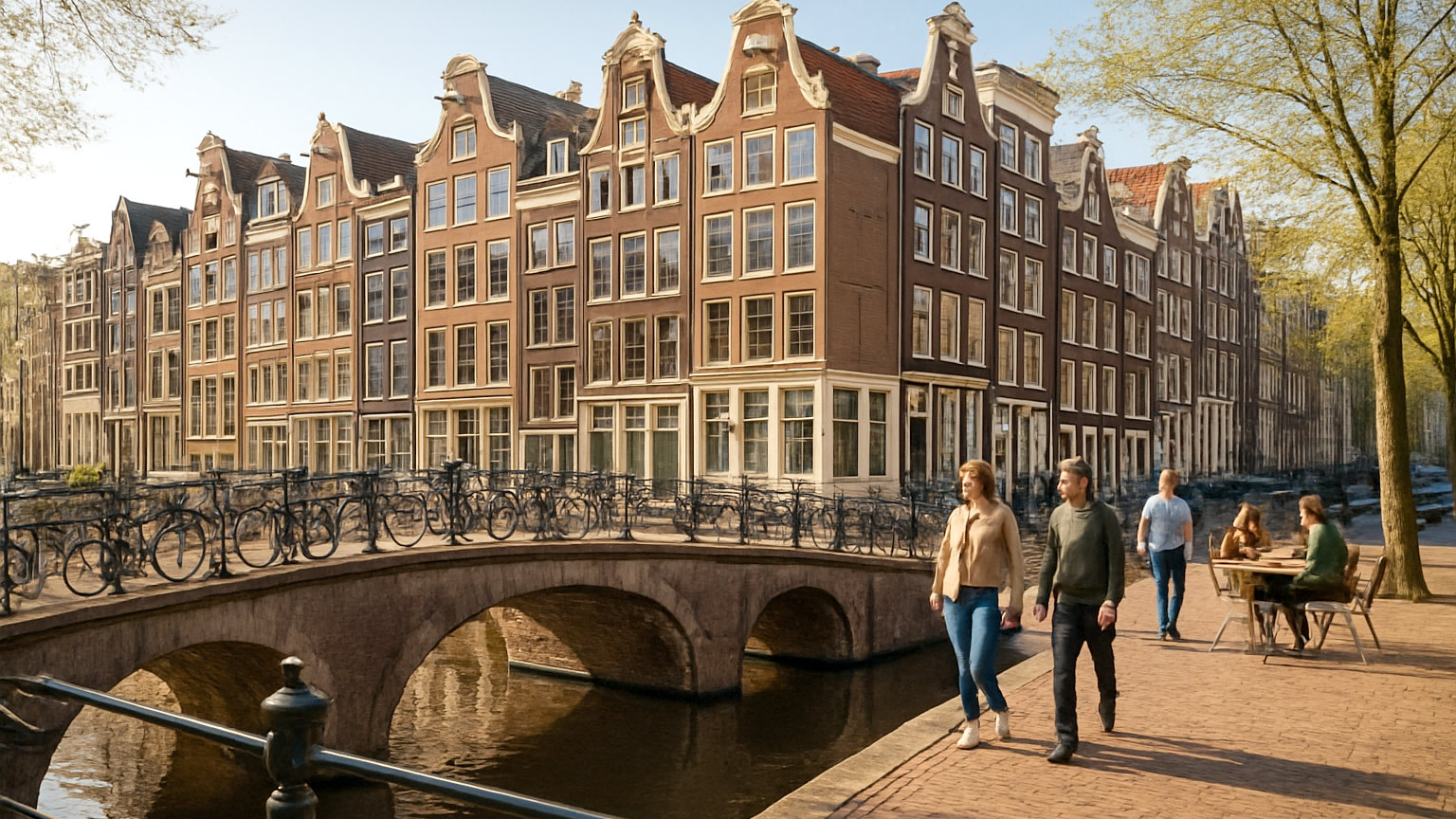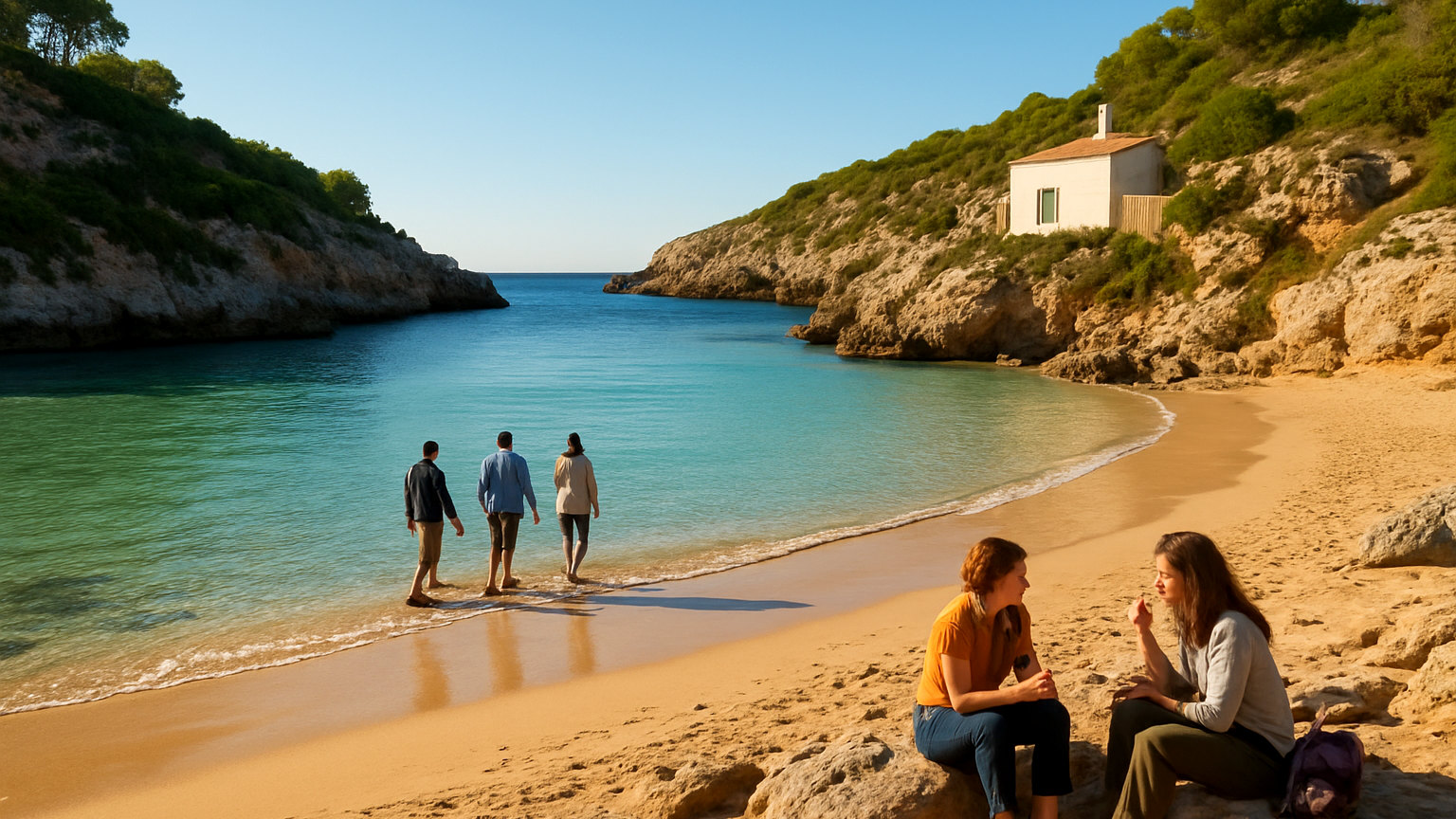
October is the most underused month for a European beach holiday and the one where the choice of destination matters most. The sea is still holding its late summer heat, prices have fallen sharply and the crowds have gone. The complication is that resorts close on their own timetable, so good weather is no use if the restaurants are shuttered.
Where is the sea still warm?
Cyprus, at around twenty-five degrees for most of the month, which is warmer than the Greek islands manage in June. Southern Turkey is close behind. Malta, Crete, Rhodes and the southern Spanish coast all hold around twenty-two to twenty-four degrees into the third week.
The Canary Islands sit at around twenty-three all month and are the only genuinely dependable option for the final week of October, when much of the Mediterranean has cooled and closed.
How much does the half of the month matter?
A great deal, more than in any other month. The first fortnight across the Mediterranean is effectively an extension of September. The second is the beginning of winter almost everywhere except the Canaries, Cyprus and Malta. The clocks change in late October and losing an hour of evening light changes the feel of a resort more than a couple of degrees does.
Which destinations close?
The smaller Greek islands, where ferries reduce and hotels shut from mid-October. Parts of the Croatian coast and its islands. Smaller Italian coastal towns and much of the Amalfi Coast. Turkish resorts wind down through the month. Large islands such as Crete, Rhodes, Mallorca and the Canaries keep trading.
What is the rain risk?
Real and worth planning for. October is when the Mediterranean autumn begins, and rain arrives as short heavy storms rather than grey drizzle. Spain, Italy and Greece all see a meaningful jump in rainfall from September to October. The Canaries remain dry. A destination with something to do indoors is a sensible hedge.
Is it good for half term?
It is the best beach option in the school calendar after the summer. The late October half term falls in the second half of the month, which pushes the Canaries, Cyprus and Malta forward as the reliable choices and makes most of the Mediterranean marginal. Prices rise for that week, though nothing like the August peak.
What should you check before booking?
Two things. When your accommodation closes for the season, since some hotels take bookings up to a closing date and the resort around them may shut earlier. And whether the pool is heated, because an unheated pool in late October is decorative rather than usable even where the sea is warm.
What else is October good for?
The southern European cities, which are at their best. Rome, Seville, Athens, Lisbon and Barcelona are all in the low twenties, warm enough to be outside all day and cool enough to walk for hours, with summer crowds gone. Combining a few days in a city with a week on a nearby coast works particularly well this month.
What are the prices like?
Among the lowest of any month with usable beach weather. Accommodation across the Mediterranean typically falls to half or less of August rates by mid-October, and flights drop sharply outside the half-term week. For anyone travelling without school constraints, the first two weeks of October are the best value beach holiday in the European calendar.
How does it compare with September?
September has marginally warmer water, more reliable weather and everything open, at higher prices. October has lower prices, fewer people and a real closure risk. For the first fortnight the difference is small and October usually wins on value; after the twentieth, September is the safer month.
It is worth reading alongside Do Blue Flag Beaches Actually Mean Anything?, which takes a different angle, and the wider Holidays guides.
The short answer
Cyprus, Malta and southern Turkey for the first three weeks, and the Canaries for certainty at any point in the month. Check your hotel closing date and whether the pool is heated, and avoid small Greek and Croatian islands after the middle of October.