Money spent abroad leaks in three places: the fee your bank charges on a foreign transaction, the exchange rate applied, and a question you are asked at the card machine that most people answer wrongly. Together they commonly add several per cent to everything you spend, which over a holiday is a meaningful sum.
What is dynamic currency conversion?
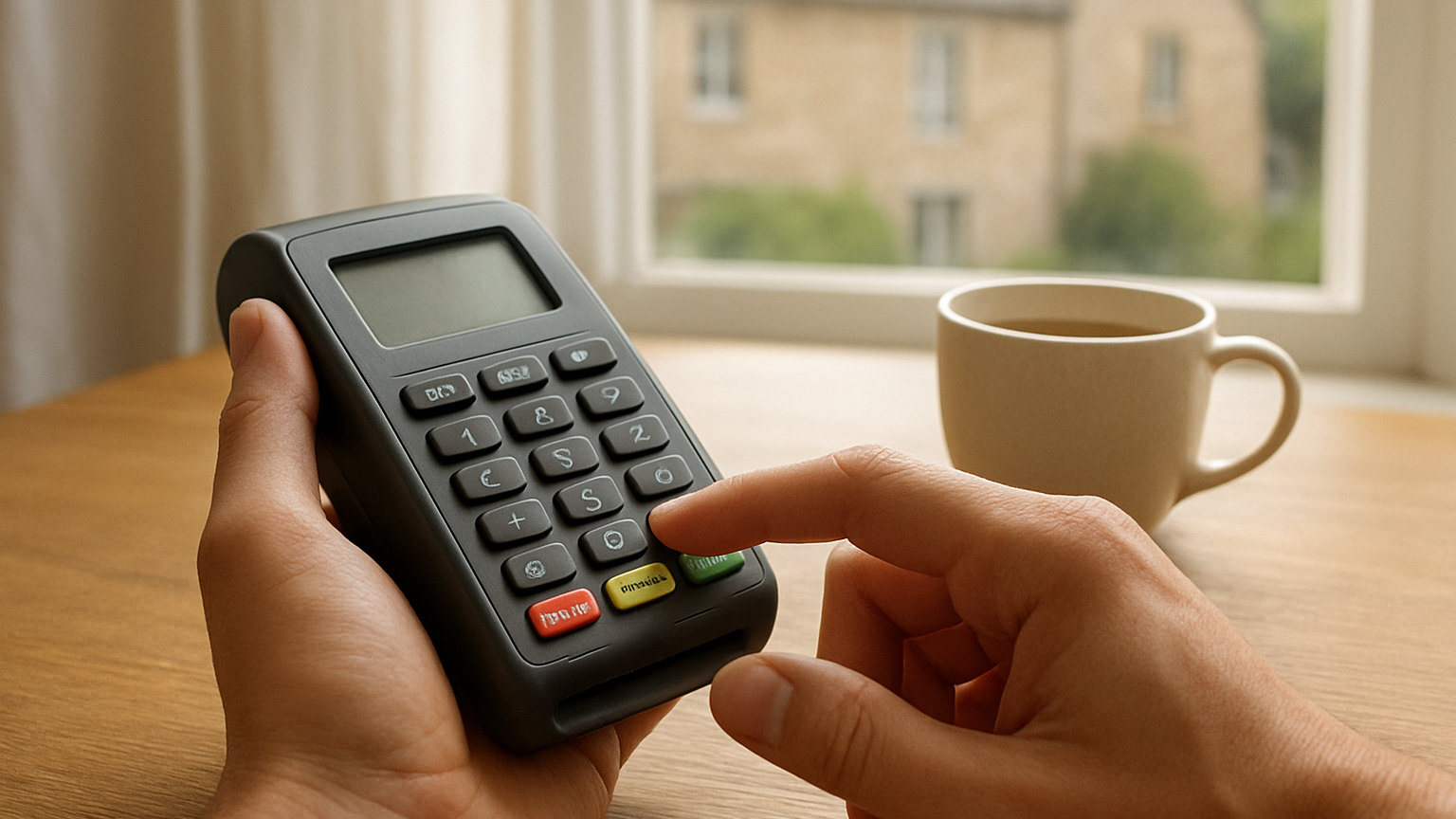
When a card machine or cash machine abroad offers to charge you in pounds instead of the local currency, that is dynamic currency conversion. It sounds helpful and it is not: the exchange rate applied is set by the merchant or machine operator and is consistently worse than the one your card network would use.
Always choose to be charged in the local currency. This single habit saves more than any other on a typical trip.
Which cards are best?
Cards that charge no foreign transaction fee and use the interbank rate, which includes several specialist travel cards, app-based accounts and a number of mainstream credit cards. The difference between a fee-free card and a standard high street debit card is usually around three per cent on every transaction plus a flat charge on cash withdrawals.
Check your specific card before travelling rather than assuming, since terms vary widely even within the same bank.
Should you take cash?
Some, and less than people assume. Card acceptance is near universal in Spain, Portugal, Italy, Greece and the Nordics. Germany, Austria and rural areas across eastern and southern Europe remain markedly more cash-based. A hundred euros as a working float covers most trips, with more in Germany or off the beaten track.
Where should you get cash?
From a bank cash machine in the destination, using a fee-free card, and declining the conversion offer. Avoid the independent machines in airports, stations and tourist streets, which charge high fees and offer poor rates. Avoid airport exchange bureaux entirely, which have the worst rates available anywhere.
Should you buy currency before you go?
Only a small amount, and only from a competitive provider ordered online rather than bought at the airport. For most European destinations, withdrawing on arrival with the right card beats buying in advance.
What about prepaid travel cards?
Useful for budgeting and for carrying a separate balance from your main account, which limits exposure if the card is lost. Check the reload fees, the exchange rate used and whether there is a charge for leaving money on the card. Some are excellent and some quietly reintroduce the fees you were trying to avoid.
What else catches people out?
Hire car deposits, which are held on a credit card and can be large. Hotel pre-authorisations, which ring-fence funds for days after checkout. Contactless limits, which differ by country. And using a credit card for cash withdrawals, which usually incurs interest from the moment of withdrawal regardless of how quickly you repay.
What should you do before travelling?
Check the foreign transaction terms on the cards you intend to use, take two cards from different networks in case one is declined or lost, note the emergency number for each, and set up any app-based freeze or limit that your provider offers. None of this takes long and it removes most of the ways money disappears abroad.
What about tipping and small charges?
Tipping expectations in Europe are modest compared with the United States, generally rounding up or around five to ten per cent where service is not included, and in several countries service is included by law. Paying the tip in cash is normal even when the bill is settled by card. Public toilet charges, beach sunbed hire and city taxes payable at the hotel are all small cash items worth keeping coins for.
It is worth reading alongside Are Hostels Worth It for Adults?, which takes a different angle, and the wider Holidays guides.
The short answer
Always pay in the local currency rather than pounds, use a card with no foreign transaction fee, withdraw cash from bank machines rather than independent ones, and avoid airport exchange bureaux entirely. Carry two cards and a small cash float.