Low-cost carriers price the seat low and the extras high, which is a legitimate model and does mean the headline fare rarely reflects what you will pay. A few of the add-ons are genuinely worth buying, most are not, and one or two are effectively compulsory in disguise.
What is the cabin bag situation?
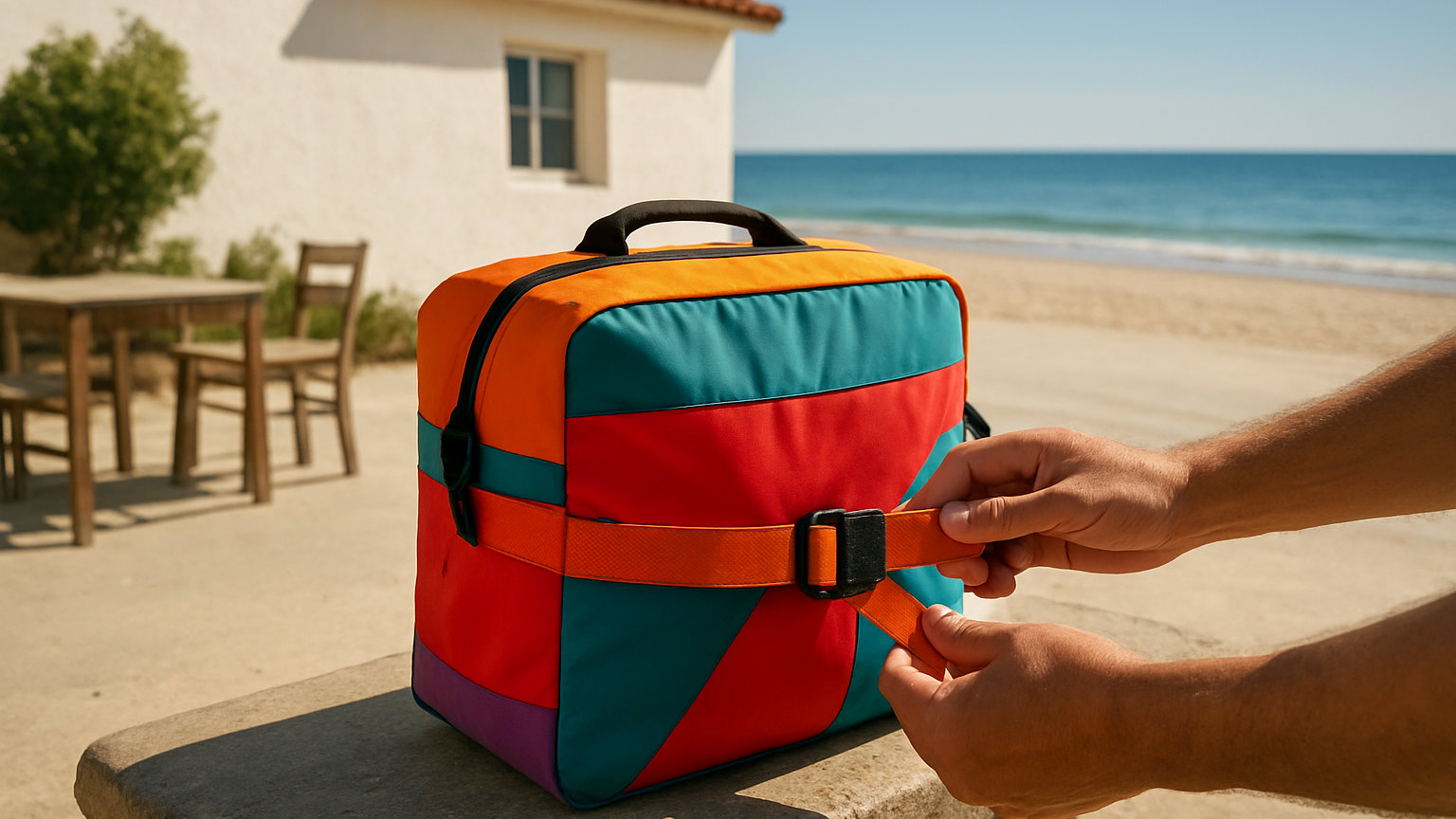
The most important thing to check, because policies differ sharply between carriers and change regularly. Some include only a small underseat bag in the base fare, with a full overhead cabin bag charged as an extra. Others include both. Arriving at the gate with a bag that does not match the fare you bought is expensive and is the single most common way people overpay.
Measure your bag against the stated dimensions rather than trusting that it fitted last time on a different airline.
Is seat selection worth it?
For solo travellers on a short flight, rarely. For anyone travelling with children, effectively yes, since several carriers do not guarantee to seat families together without paying, and the alternative is negotiating with strangers on board. For a couple on a two-hour flight, it is a small luxury rather than a necessity.
Note that a few carriers seat children with an adult free of charge if certain conditions are met, which is worth checking before paying.
Is priority boarding worth it?
Only where it also buys cabin bag allowance, which on some carriers it does. As a way of getting on the aircraft first, it is worth very little on a short flight with allocated seating. Where the alternative is having your bag taken to the hold at the gate, it becomes worth the money.
What about hold luggage?
Always cheaper bought at the time of booking than added later, and much cheaper than at the airport. If there is any chance you will need it, buy it up front. One shared bag between two people is usually cheaper than two smaller allowances.
Are flexible tickets worth it?
Occasionally, and less often than the pricing implies. The premium for flexibility frequently approaches the cost of simply buying a second ticket if plans change. It is worth it when travel dates are genuinely uncertain and the route is expensive, and not for a cheap seat on a well-served route.
What about airport check-in and printing?
Never pay for it if you can avoid it. Checking in online within the stated window is free on every major carrier, and the fee for doing it at the airport is punitive. Download the boarding pass to your phone and take a screenshot in case the app will not load at the gate.
Which extras are genuinely worthless?
On-board food bought in advance at a premium, when the same items are usually available on board or better bought landside. Travel insurance sold at checkout, which is almost always dearer than an annual policy. Airport transfer and car hire cross-sold in the booking flow, which are rarely competitive.
How should you compare fares?
Build the total for the way you actually travel: base fare, the bag you will take, the seats you need and any charge for checking in. Compared that way, a full-service carrier including a hold bag frequently undercuts a budget carrier with the same items added.
What about compensation if something goes wrong?
UK and EU air passenger rights apply regardless of how cheap the fare was, covering care during long delays and compensation for cancellations within the airline control. Budget carriers are subject to the same rules as everyone else, and a low fare does not reduce what you are owed. Keep boarding passes and receipts if a delay occurs.
How Do You Eat Well on a Small Holiday Budget? answers a related question in more depth, and there is more of the same across our Holidays guides.
The short answer
Buy hold luggage at booking, buy seat selection if you are travelling with children, and buy priority only where it includes a cabin bag. Check in online, measure your bag against the current policy, and compare the total rather than the headline fare.