Eating is usually the second largest line in a holiday budget after accommodation, and the range across Europe is wide enough to change what a trip costs by a third. Two weeks of restaurant meals in Albania and the same in Norway are not comparable in any sense.
Which countries are cheapest?
Albania, North Macedonia, Bosnia, Bulgaria, Serbia and Romania form the cheapest tier, where a substantial restaurant meal with a drink costs less than a sandwich in a British city. Portions in the Balkans are large and grilled meat dominates.
Poland, Hungary, Slovakia and the Baltic states are next, and Turkey and Georgia sit alongside them with some of the best food in Europe at those prices.
Which are cheapest in western Europe?
Portugal, clearly, and it is the reason many people prefer it to Spain on a budget. Greece follows, particularly on the mainland and the less famous islands. Spain is good value away from the tourist streets, and Italy varies enormously between the north and the south, with Naples, Puglia and Sicily far cheaper than Tuscany or the Amalfi Coast.
Which are most expensive?
Norway, Iceland, Switzerland and Denmark, where restaurant dinners are high enough to change how you plan a trip rather than merely to be noticed. Alcohol in the Nordic countries is a separate expense again because of state monopolies and duty.
What is the set lunch and why does it matter?
The single most useful money-saving habit in Europe. Across the south, restaurants serve a fixed multi-course menu at midday at a fraction of evening prices, often including bread, a drink and sometimes coffee. It is called the menu del dia in Spain, prato do dia in Portugal, menu fisso or pranzo di lavoro in Italy and formule or menu du jour in France. Eating the main meal at lunch and something light in the evening is the standard way to halve a food budget.
What are the equivalent traditions elsewhere?
Poland has milk bars, subsidised canteens serving full meals for very little. Latvia and Lithuania have canteens where you pay by the weight of the plate. Germany and Austria have the Mittagstisch, a weekday lunch menu. Turkey has lokantas, where you point at what is in the trays. All are cheap, good and used by locals rather than visitors.
What are the hidden charges?
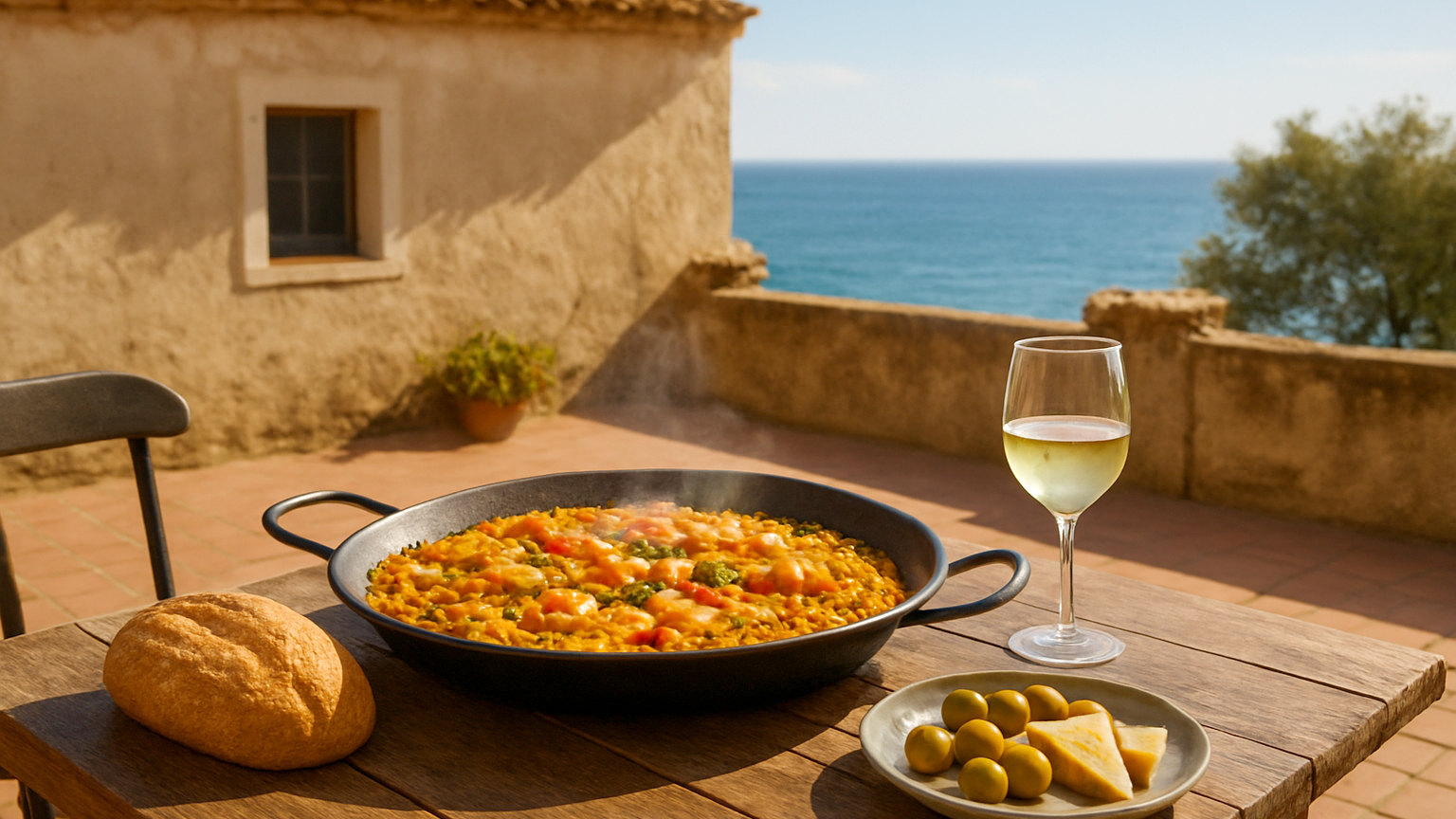
The couvert in Portugal, meaning bread, olives and cheese brought unasked and charged for, which can be declined without any awkwardness. The coperto in Italy, a fixed per-person cover charge that is normal and legitimate. Table service surcharges in Italy and Spain, where standing at the bar is cheaper than sitting. Music and view surcharges in some tourist squares, which must be displayed.
How much does location cost you?
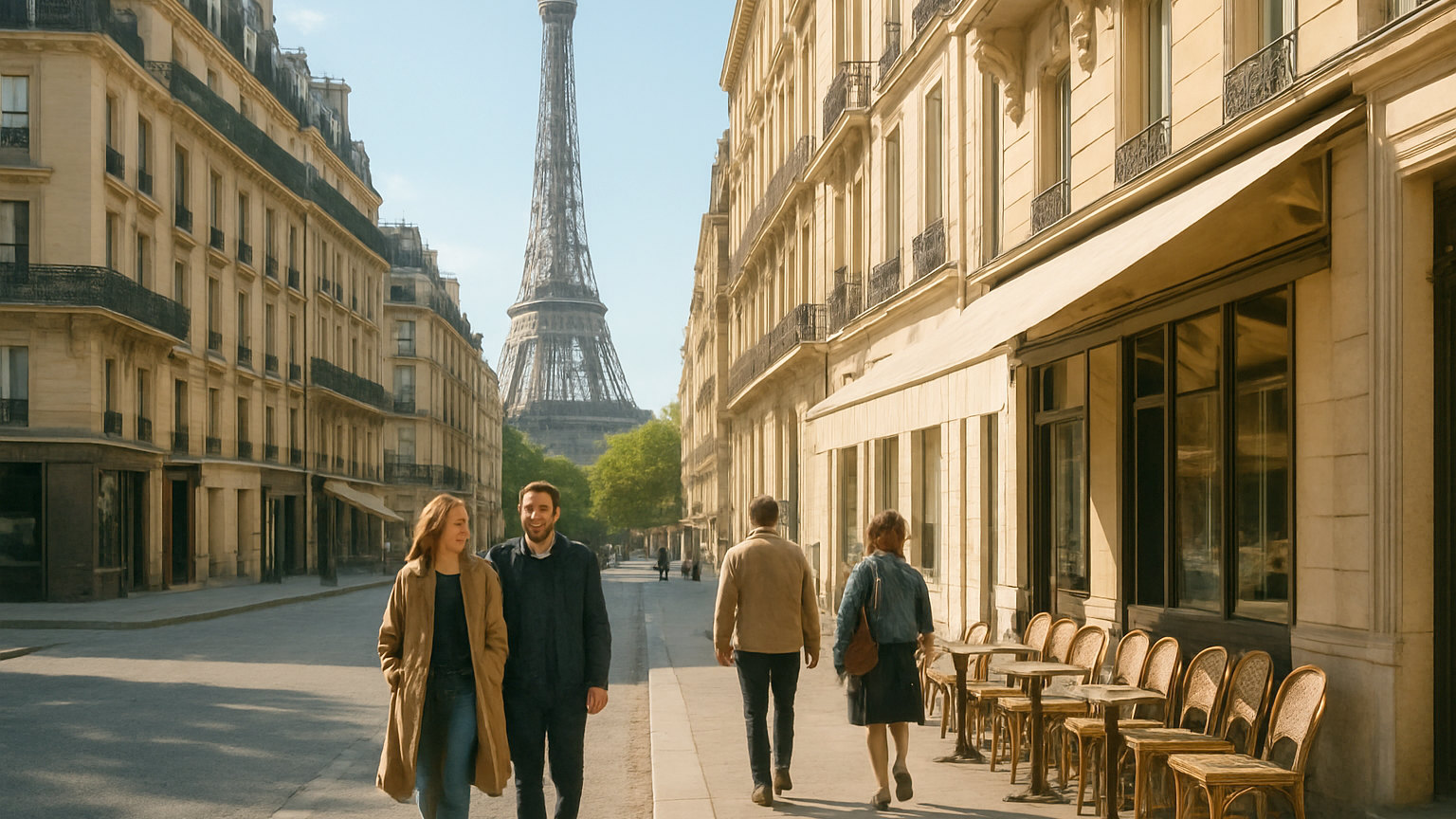
More than the country, often. A restaurant on a main square in any European city typically charges considerably more than an equivalent one ten minutes walk away, and the quality is usually worse. Walking away from the sight is the most reliable single rule in European eating.
Does self-catering help?
Substantially, and the best version is partial. Buying breakfast and lunch from a market or supermarket and eating dinner out typically halves the daily cost while keeping the part of eating abroad that people actually want.
What should you drink?
House wine in southern Europe is typically inexpensive and perfectly good, and ordering a carafe rather than a bottle is the local habit. Tap water is safe across the European Union and asking for it is normal in some countries and unusual in others, notably Italy and Greece, where bottled is the default. Coffee standing at the bar in Italy costs a fraction of the seated price.
How Do You Travel Europe Cheaply by Train? is the natural next read, alongside the wider Holidays section.
The short answer
The Balkans and central Europe are cheapest, Portugal and Greece best in the west, and the Nordics most expensive. Eat the set lunch as your main meal, walk ten minutes from the main square, and decline the bread if you did not order it.