A city break built around eating is a perfectly good way to spend three nights, and the cities that reward it are not necessarily those with the most celebrated restaurants. What matters is the density of good ordinary places, a working market and a local speciality worth crossing a city for.
Which cities are strongest?
San Sebastian, for the highest concentration of serious cooking in Europe and a pintxos culture that lets you eat across a dozen bars in an evening. Bologna, for the richest food region in Italy and a market quarter in the old centre. Naples, for pizza, street food and the best value eating of any major Italian city.
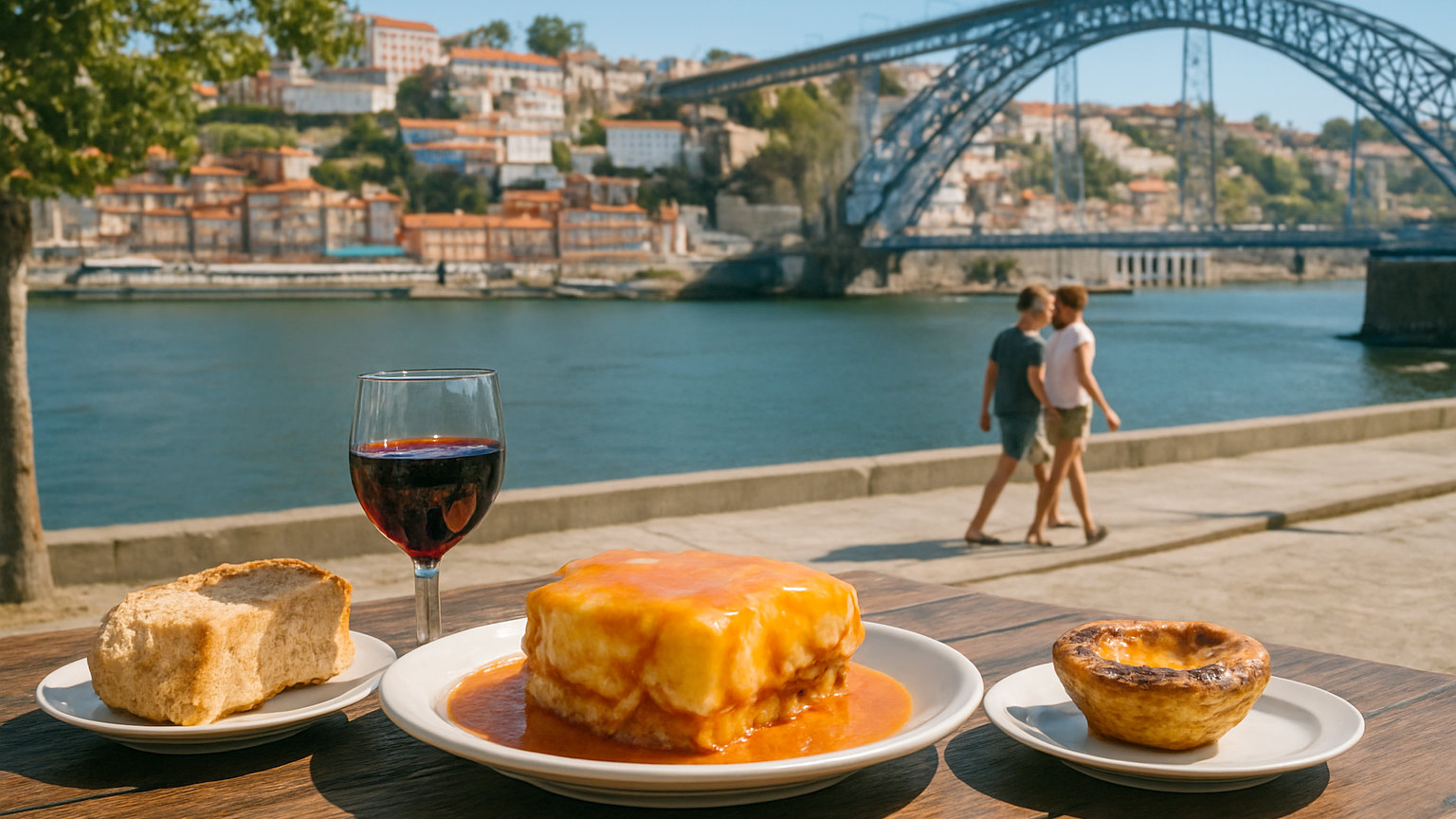
Lyon, for bouchons and charcuterie. Porto and Lisbon, for seafood and prices well below the western European average. Istanbul, for the broadest range of any city on this list.
Which are underrated?
Copenhagen below the famous restaurants, where the mid-priced scene is excellent and smorrebrod is a genuine art form. Hamburg, the best food city in Germany. Athens, which has improved enormously and is far cheaper than the islands. Ljubljana and Budapest, both of which have modern cooking scenes that get little attention abroad.
How should you structure a food trip?
Around lunch rather than dinner. The set midday menu across southern Europe is the same kitchen at a fraction of the price, and eating the main meal at one oclock leaves the evening for something lighter and a bar. It also means you are eating when the market produce is freshest.
Are food tours worth it?
On the first day, frequently yes, and they are among the better value guided experiences. A good one covers six or seven stops, explains what the local specialities are and shows you streets you would not have found. It then informs the rest of the trip rather than replacing it.
What about markets?
The single best thing to do in a food city and usually free. The Mercado de Triana in Seville, the Mercato di Porta Palazzo in Turin, Bolhao in Porto, the Naschmarkt in Vienna, the Athens central market and Borough Market in London all have stalls or counters serving the traders, which is where the cheap good eating is.
Go in the morning, when they are working rather than winding down.
How do you find the right places?
Walk ten minutes from the main sight, which changes the price and the quality more than any list. Look for a short handwritten menu that changes, a room full of people at the local eating hour, and no photographs. Avoid anywhere with someone outside inviting you in.
Should you book?
One or two places for a three-night trip, and no more. The celebrated restaurants need booking weeks or months ahead, and building a trip around them removes the spontaneity that makes a food city enjoyable. A single good booking and a list of possibilities is the better structure.
What about dietary requirements?
Worth factoring into the choice. Italy, Greece, Turkey and Lebanon-influenced parts of Europe are straightforward for vegetarians, since the traditional cooking is vegetable-led rather than adapted. Central Europe and the Balkans are harder. Allergy labelling is comprehensive across the European Union on packaged food and restaurants are obliged to provide information.
How much should you budget?
Less than expected in Porto, Naples, Athens and Budapest, where eating extremely well costs a fraction of London prices. San Sebastian and Copenhagen are the expensive ends, though pintxos in the former are individually cheap and it is the volume that adds up. Lunch in both is substantially cheaper than dinner for the same cooking.
How Do You Get Around a European City Cheaply? goes into more detail on a closely related question, and the rest of our Holidays section covers the wider subject.
The short answer
San Sebastian, Bologna, Naples, Lyon and Porto are the strongest food cities in Europe, with Hamburg, Athens and Copenhagen underrated. Eat the main meal at lunch, go to the market in the morning, take a food tour on day one, and book no more than two dinners.