The major European art collections are unevenly distributed, largely because they were assembled by empires and royal households rather than by cities. That history means a handful of capitals hold a disproportionate share, and knowing which is which prevents building a trip around a city that does not have what you want.
Which cities have the greatest collections?
Madrid, for the Prado, which holds Velazquez, Goya and Bosch, with the Reina Sofia and the Thyssen within ten minutes on the same boulevard. This concentration is unmatched anywhere.
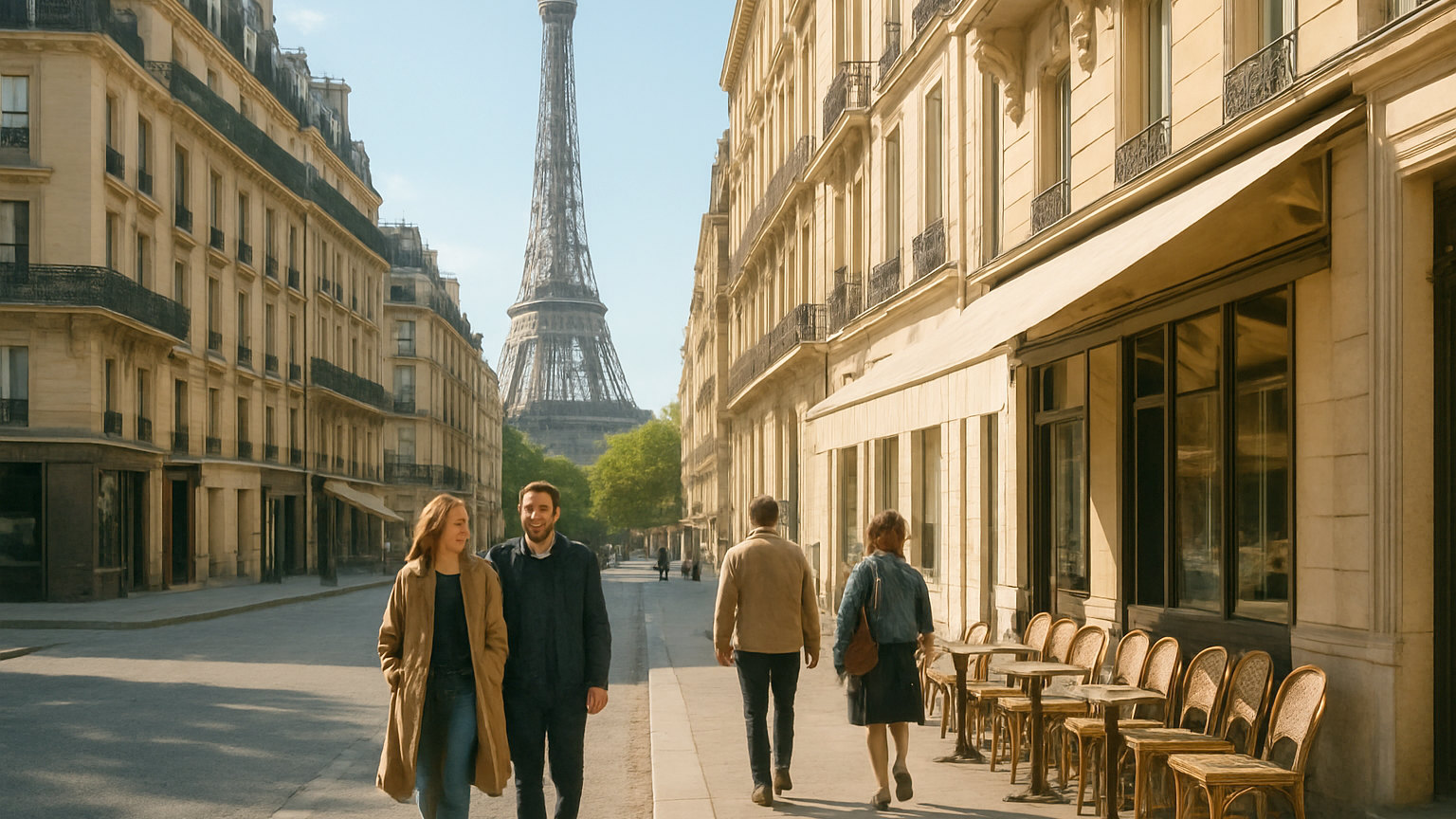
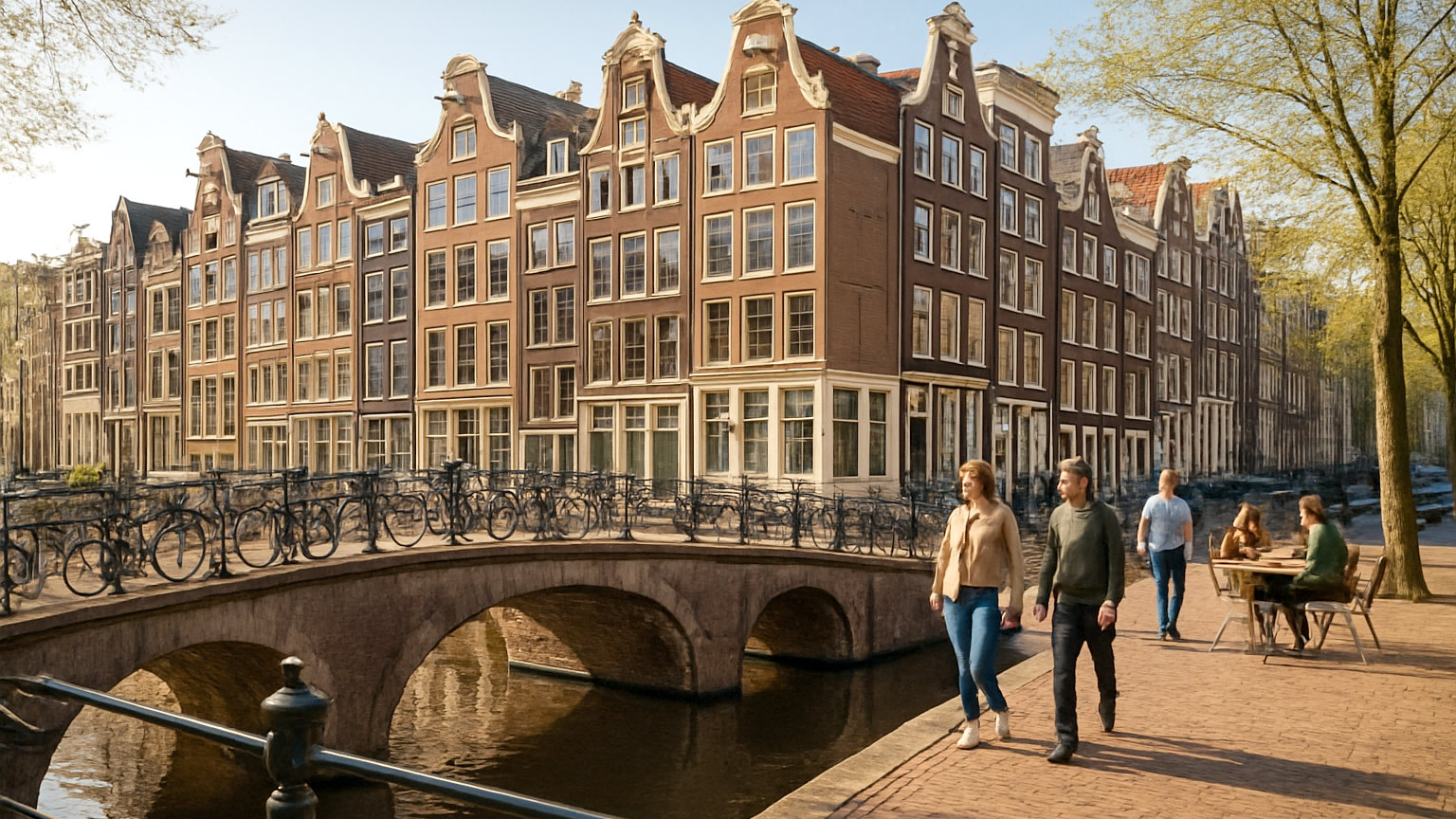
Paris, for the Louvre and the Musee d Orsay. Florence, for the Uffizi and the Renaissance in a walkable square mile. Vienna, for the Kunsthistorisches and the largest Bruegel group in the world. Amsterdam, for the Rijksmuseum and the Van Gogh Museum side by side. Rome, for the Vatican Museums and the Borghese.
Which are underrated?
Naples, whose archaeological museum holds almost everything removed from Pompeii and Herculaneum and is essential context for either. Berlin, for Museum Island and the Nefertiti bust. Dresden, for the Old Masters gallery. Lisbon, for the Gulbenkian, which is among the finest private collections in Europe and gets a fraction of the attention it deserves.
How many can you do in a day?
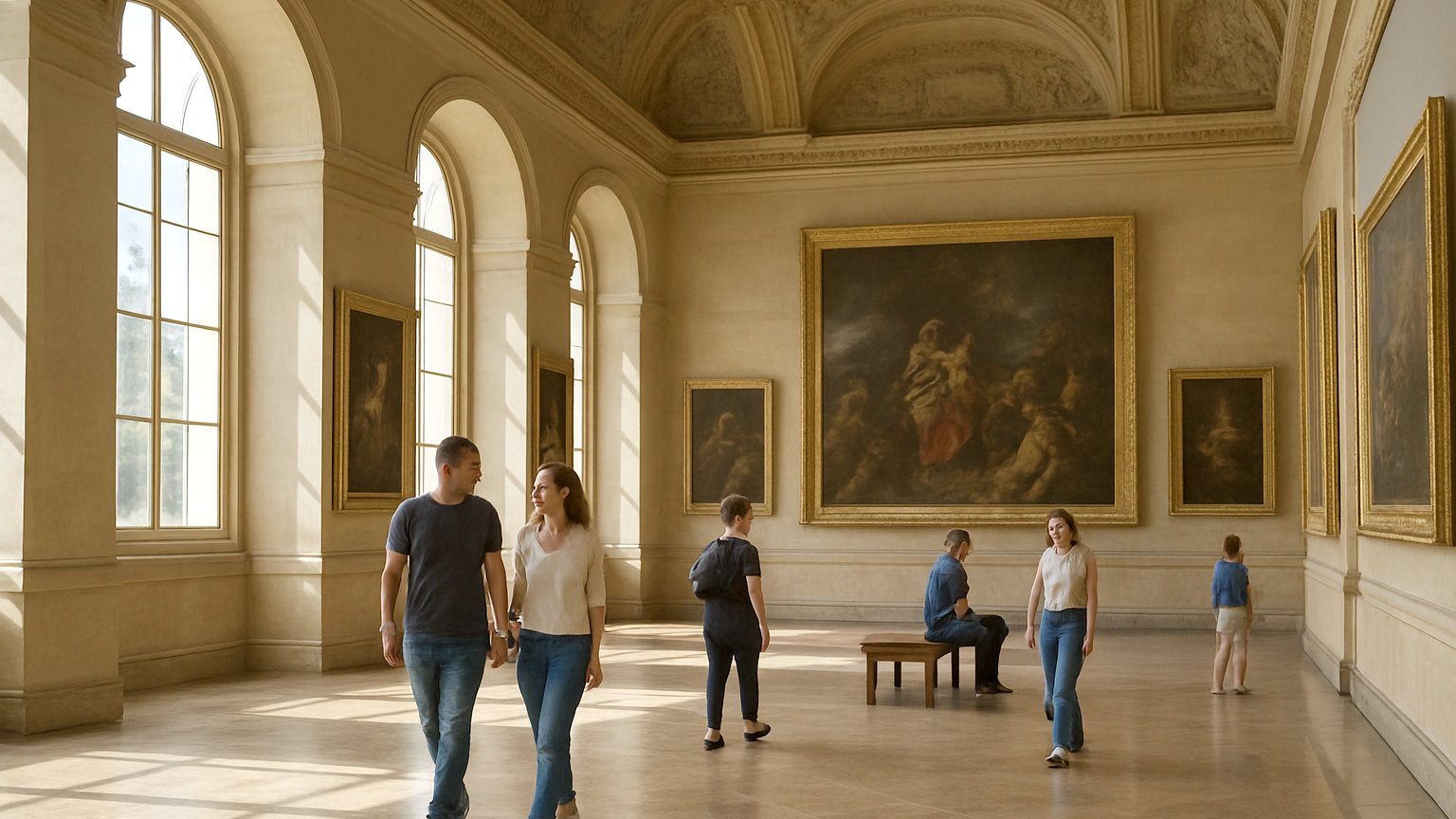
One major collection, properly. Two produces fatigue rather than memory. The Prado and the Louvre are both too large to see in a visit and are better treated as two hours in specific rooms than as an attempt at completeness.
Are there free entry days?
Widely, and they are worth planning around. Italian state museums are commonly free on the first Sunday of the month. The Prado and Reina Sofia have free evening windows. Many Berlin and London collections are free permanently. These days are busy, so arriving before opening is necessary.
What should you book?
The Uffizi, the Accademia, the Vatican Museums, the Borghese and the Van Gogh Museum all use timed entry and sell out in season. The Borghese caps visits at two hours and must be booked well ahead, which is why it remains civilised. Most other collections can be walked into outside summer.
How do you avoid museum fatigue?
Go early, pick a wing rather than a building, and leave before you are tired rather than after. Two hours is the useful limit for most people. Choosing four or five specific works to find, and treating everything else as a bonus, produces a better visit than trying to see it all.
Are audio guides worth it?
In the larger collections, generally yes, since the wall labels in European museums are often minimal. Several major museums now have free apps with the same content, which is worth checking before paying at the desk.
What about smaller museums?
Frequently the better experience. House museums, single-artist collections and local archaeological museums are quiet, human in scale and finishable. The Sorolla museum in Madrid, the Gulbenkian in Lisbon, the Peggy Guggenheim in Venice and the Musee Rodin in Paris all reward a visit more reliably than a second national gallery.
When should you go?
Winter, for museums specifically. January and February are the quietest months in every major European collection, tickets can usually be bought on the day, and the rooms that are impassable in August are calm. A museum-led city break is one of the few trips that is genuinely better in the low season.
Are the big collections worth the queue?
The Prado, the Uffizi and the Vatican Museums are, because there is no substitute for what they hold. The Louvre is more debatable, since the crowd around the most famous works is substantial and the rest of the building is often nearly empty.
Are City Breaks Better by Train or Plane? goes into more detail on a closely related question, and the rest of our Holidays section covers the wider subject.
The short answer
Madrid has the greatest concentration in Europe, followed by Paris, Florence, Vienna and Amsterdam. Do one major collection a day for two hours, book the ones that sell out, check the free days, and add a small house museum rather than a second national gallery.