Comparing a flight time with a train time is the wrong comparison, and it is the one almost everyone makes. What matters is door to door: getting to the airport, arriving early, security, boarding, the flight, disembarking, baggage and the transfer at the far end, against walking into a city centre station and out of another one.
Where does the train win?
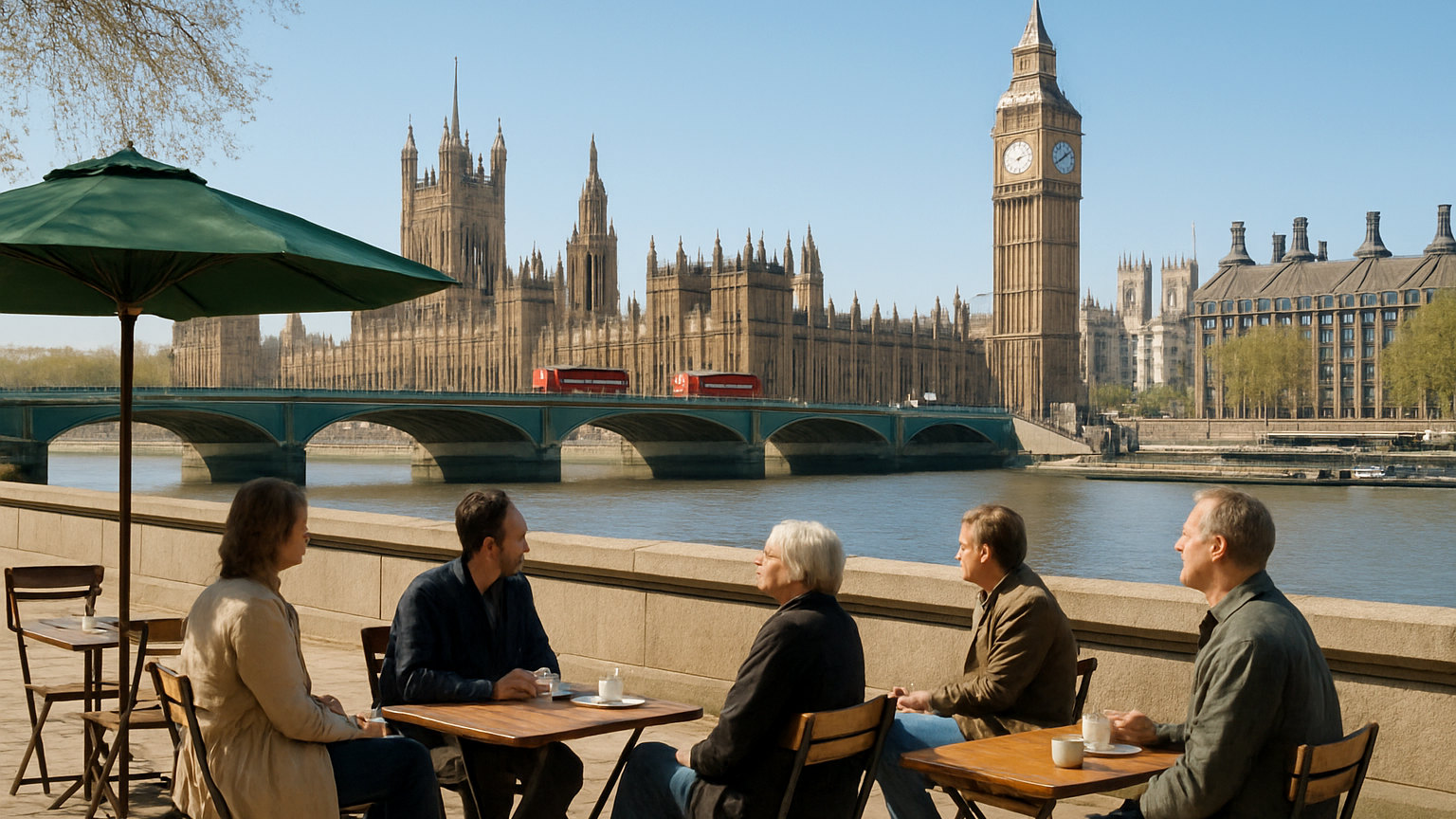
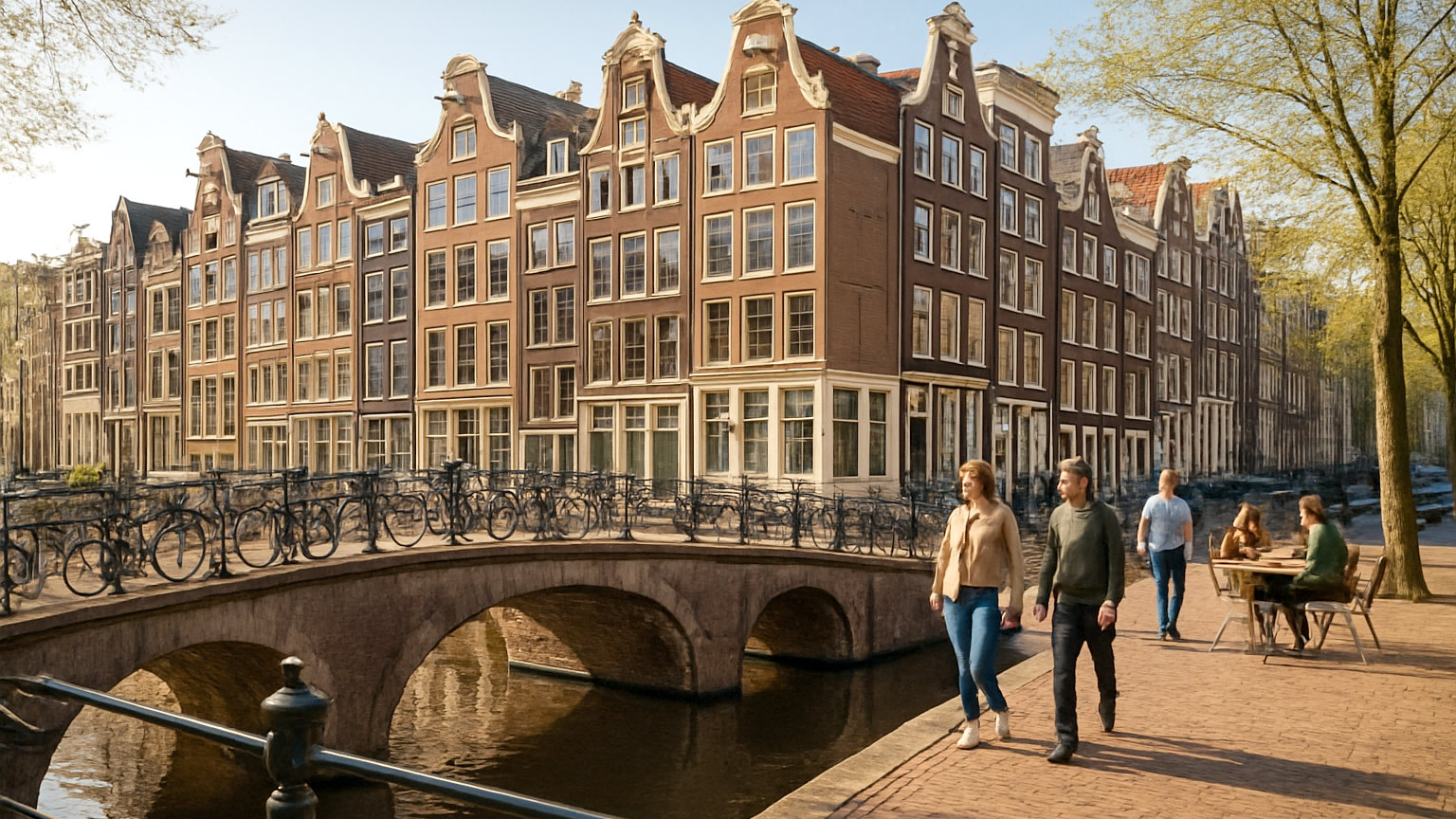
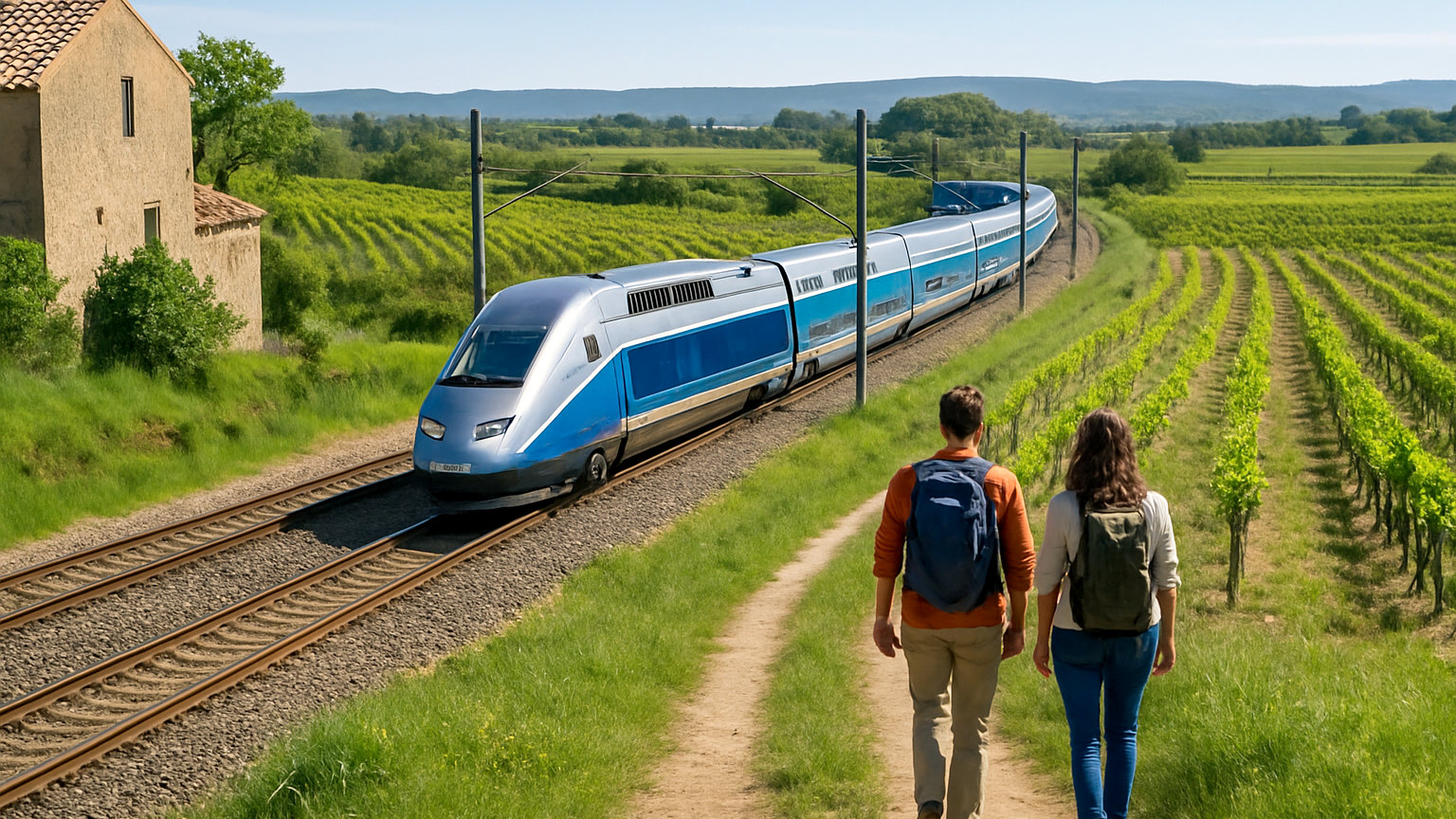
On any route under about four hours of train time. From London, that covers Paris, Lille and Brussels comfortably, with Amsterdam and Bruges close behind. Within Europe it covers Paris to Lyon or Bordeaux, Madrid to Barcelona or Seville, Rome to Florence or Naples, and Berlin to Hamburg or Prague.
On these, the train is usually faster door to door, always more comfortable, and frequently cheaper when booked ahead.
Where does flying win?
Anywhere the rail journey exceeds about six hours, and anywhere requiring multiple changes. London to Lisbon, Athens, Istanbul or the Canaries is a flight. So is most travel to the Balkans and the Baltics, where rail infrastructure is thinner and slower.
How do the costs compare?
It depends entirely on when you book. Advance rail fares on high-speed routes are released months ahead and are cheap, rising steeply as the train fills. Booked late, the train is frequently more expensive than a budget flight. Booked two or three months out, it is often cheaper once bags and transfers are added to the flight.
What about luggage?
The clearest advantage of rail and the one most often overlooked. There is no baggage fee, no weight limit in practice, no liquid restriction and no waiting at a carousel. For anyone travelling with more than a cabin bag, that changes the cost comparison substantially.
Which is better for a short trip?
The train, for anything within its range, because the time is usable. Three hours on a train with a table, a power socket and a window is not the same as three hours spread across a departure lounge and a cramped seat. On a two-night trip that difference is a meaningful share of the holiday.
What about night trains?
Expanding again across Austria, Germany, Italy, Sweden and central Europe, and they solve a distance and a hotel night together. A couchette is good value, a private sleeper is comfortable and not cheap. They suit longer routes where flying would mean a wasted day at either end.
What should you check before booking rail?
Whether a reservation is compulsory, which it is on most high-speed services in France, Spain and Italy. Whether the ticket is tied to a specific train, since cheap advance fares usually are. Whether the route involves a change, and how long the connection is. And whether paper tickets need validating, which applies in several countries.
Is there an environmental argument?
Rail produces substantially lower emissions per passenger than short-haul flying on comparable routes, which is well established and is a genuine factor for some travellers. It is worth noting alongside the practical case rather than instead of it.
What about getting to the station?
Usually simpler than getting to an airport, since mainline stations sit in city centres and are served by local transport. That advantage is largest in London, Paris, Madrid, Rome and Berlin, where the airport is a significant journey and the station is not. Arriving thirty minutes before a train is ample against two hours for a flight.
Are rail passes worth it for city breaks?
Rarely. Passes suit multi-stop trips with many journeys, not a return to one city. For a single city break, advance point-to-point tickets are almost always cheaper.
Which European Cities Suit a Solo Trip? goes into more detail on a closely related question, and the rest of our Holidays section covers the wider subject.
The short answer
Take the train on anything under about four hours, which from London means Paris, Brussels, Lille and Bruges. Book two to three months ahead for the cheap fares, factor in the absence of baggage charges, and fly anywhere the rail journey exceeds six hours or needs several changes.