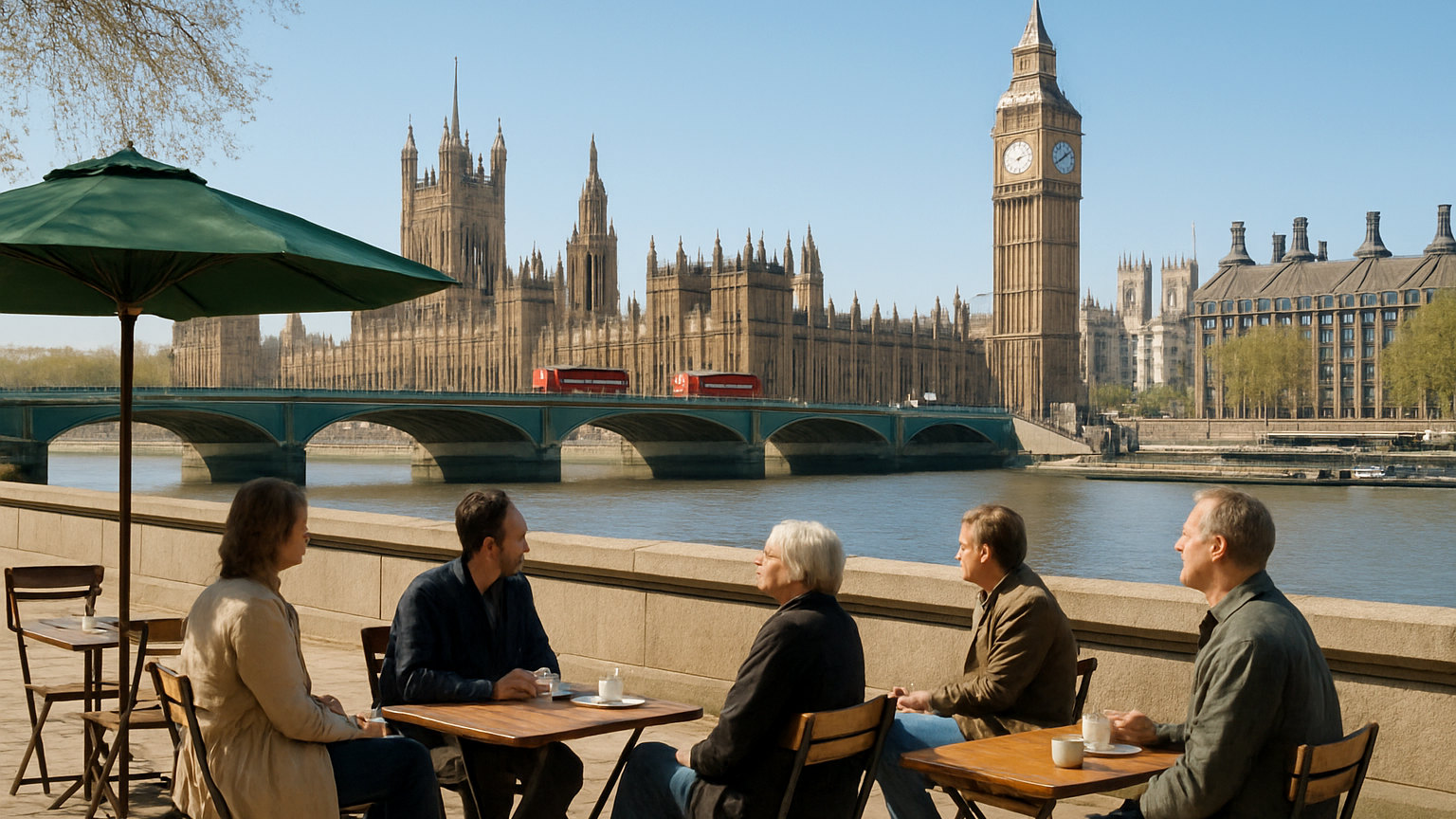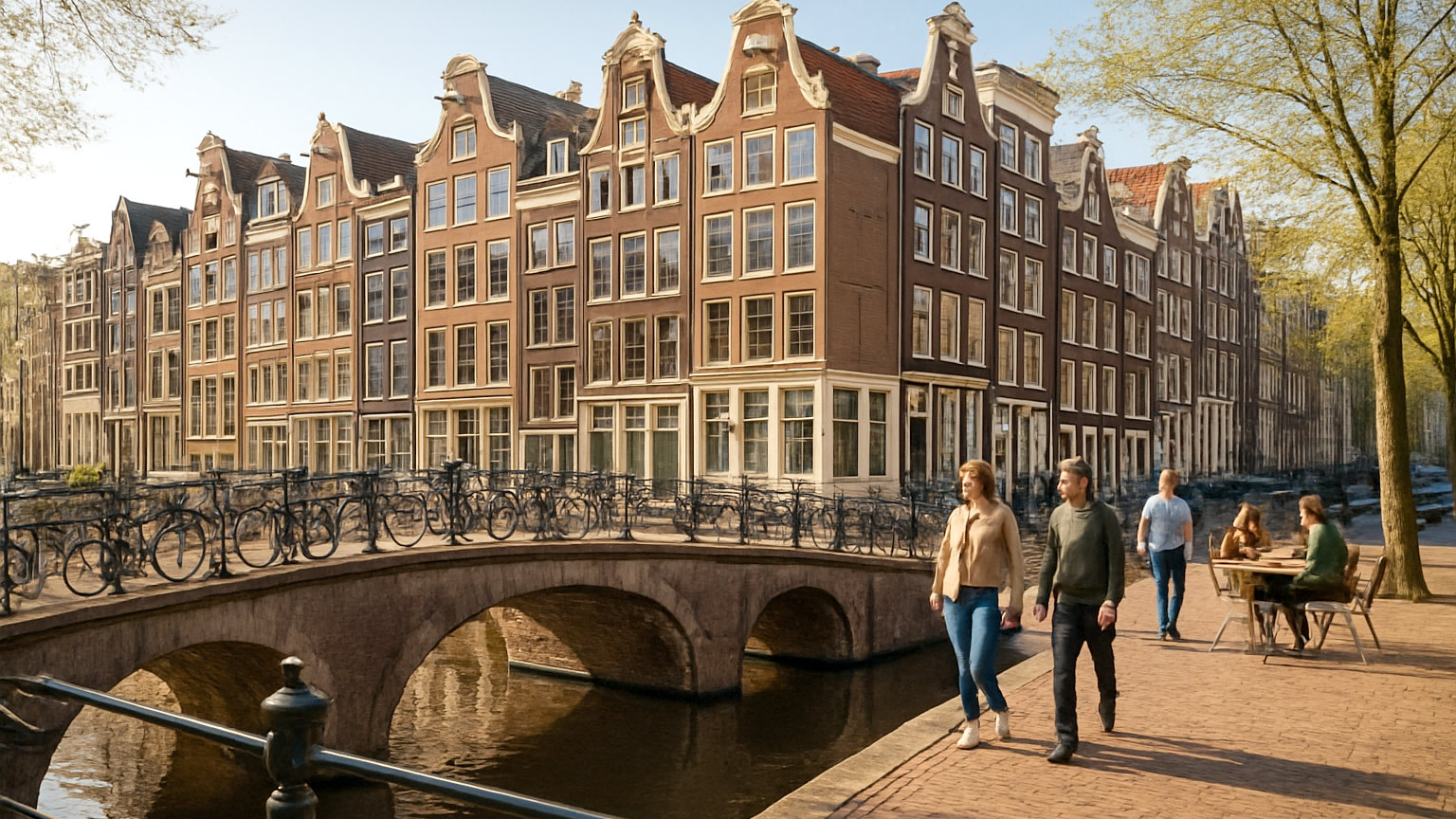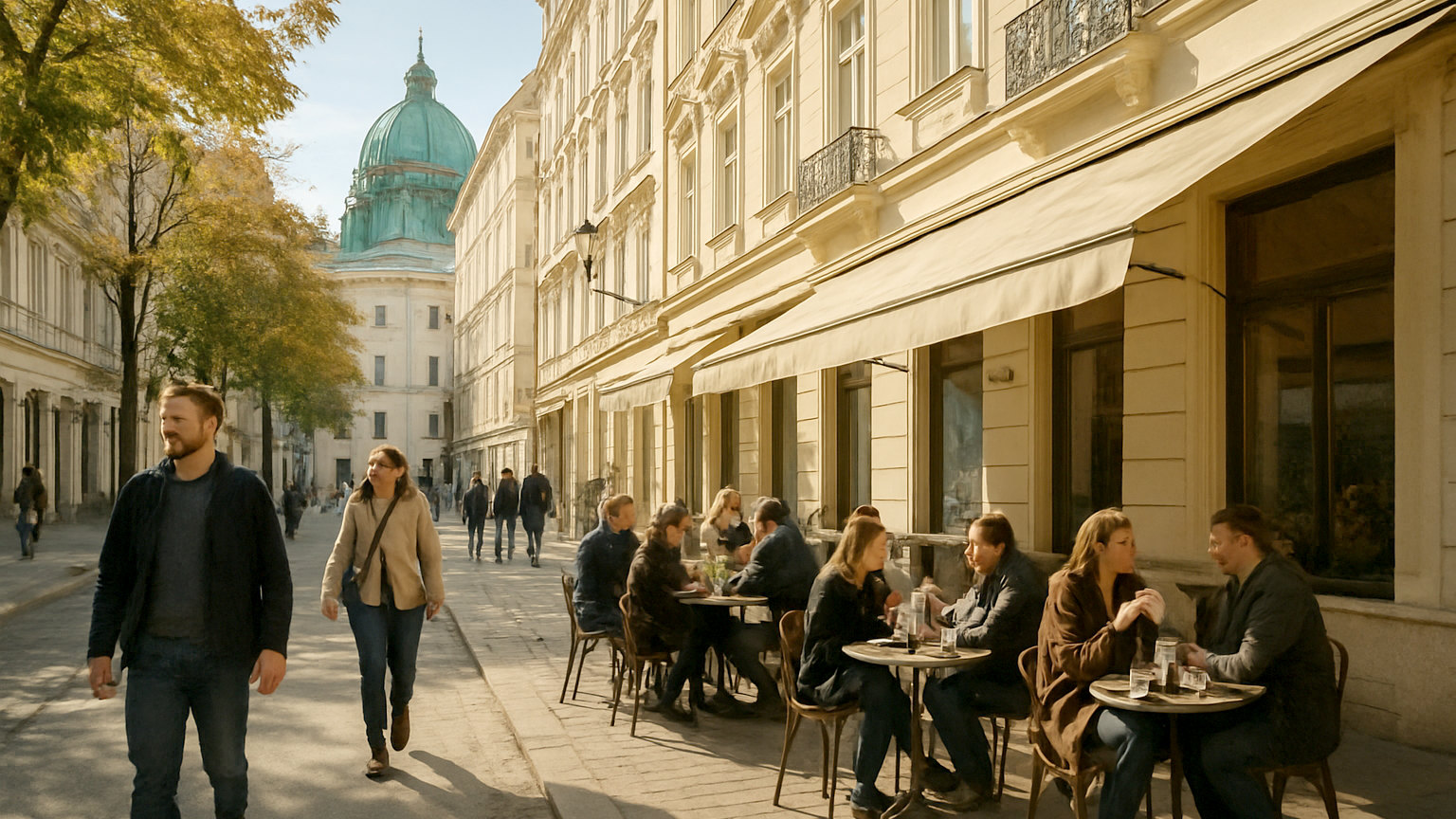
The central or outside question is the largest single lever on the cost of a city break, and the answer is usually less central than people book. The premium for being inside the historic core is steep, and what it buys is often noise and restaurants aimed at visitors.
How much does central cost?
Typically a substantial premium over a room one or two metro stops away for the same standard. In the most visited cities the gap is wide enough to fund an extra night. The saving is largest in cities with a tightly defined historic centre, such as Prague, Krakow, Venice and Dubrovnik.
What do you give up?
Walking home from dinner, mainly, and the ability to return to the room in the middle of the day. Those are real advantages, particularly with children or on a short trip where every hour counts. Everything else is usually a gain.
What do you gain by moving out?
A neighbourhood with residents, shops and restaurants at local prices, which is frequently the part of a trip people enjoy most. Quieter nights. A bigger room for the money. And a sense of the city that the historic centre no longer provides in the most visited places.
Which districts should you look at?
Vinohrady or Zizkov rather than Prague old town. Kazimierz rather than the Krakow square. Gracia or Poblenou rather than the Barcelona Gothic Quarter. The eleventh or twentieth rather than the Paris Marais. De Pijp rather than central Amsterdam. Malasana or La Latina rather than Sol in Madrid. Koukaki rather than Plaka in Athens.
How far is too far?
The test is twenty minutes on foot or one short ride on a direct line. Beyond that, the saving starts being spent on transport and on the friction of getting back. Two changes on public transport to reach the centre is usually too far for a short trip.
What should you check?
The walking route on a map rather than the straight-line distance, since rivers, motorways and railway lines force detours. Whether the nearest station is on a line that serves where you want to go. How late the transport runs, which in some cities is earlier than people expect. And whether the area is somewhere you would be comfortable walking back to at night.
When is central worth paying for?
On a two-night trip, where time is the scarcest resource. With young children, where returning for a nap changes the day. In Venice, where staying on the mainland removes the point of the trip. And in winter, when short days make walking time more valuable.
What about staying in a different town?
The extreme version and sometimes the best. Haarlem for Amsterdam, Sitges for Barcelona, Cascais for Lisbon, Bayonne for Biarritz. Each is a short train ride, substantially cheaper, and pleasant in its own right. It works for trips of four nights or more and less well for two.
Does it affect what you eat?
Substantially, and usually for the better. Restaurants in residential districts are priced for people who eat there regularly rather than once, which changes both the cost and the quality. Staying somewhere with a local food market within walking distance is one of the better reasons to move out of the centre.
What about noise?
The most common complaint about central accommodation and the least visible when booking. Historic centres combine late bars, early deliveries and stone streets that carry sound. Reviews mentioning noise repeatedly are reliable, and asking for a room away from the street costs nothing.
Does it matter for a two-night trip?
Less, because the walking time saved is a larger share of a short stay. For two nights, pay for central; for four or more, move out.
Are Two-Centre City Breaks Worth It? answers a related question in more depth, and there is more of the same across our Holidays guides.
The short answer
Stay one or two stops out in a residential district with a direct line in, which saves a great deal and usually improves the trip. Pay for central on two-night stays, with young children, in winter and in Venice. Check the walking route rather than the map distance.