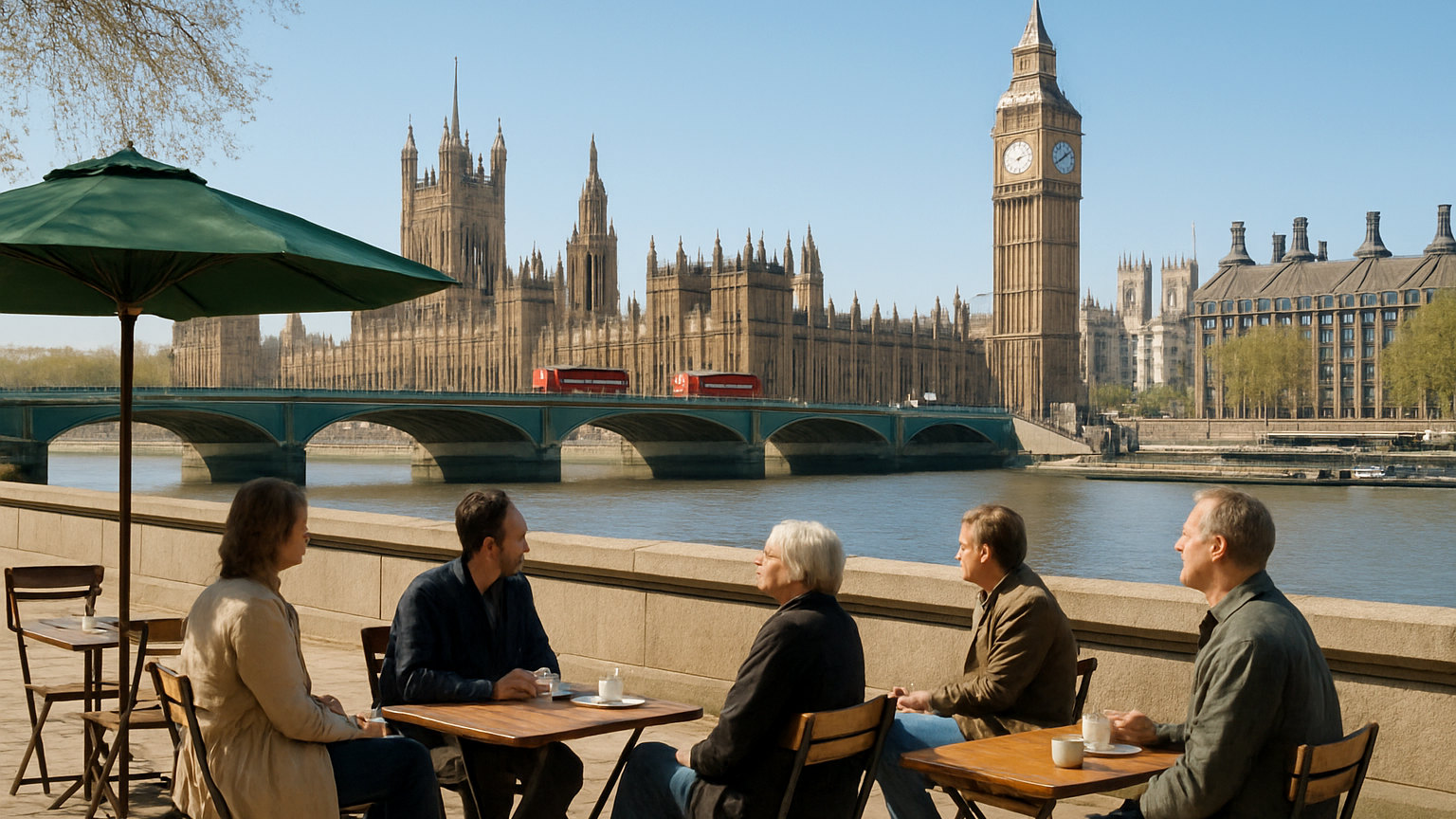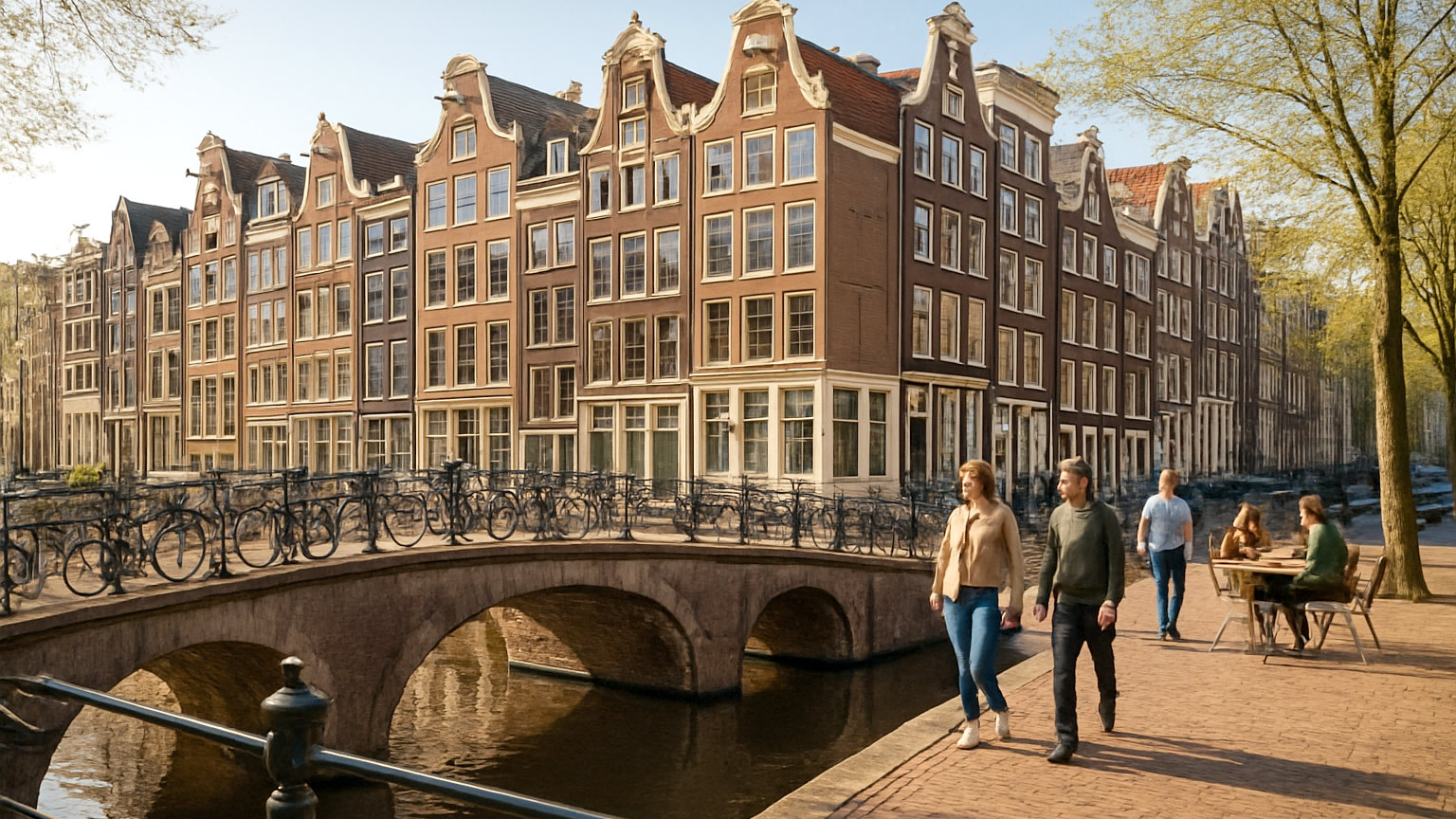
Combining two cities in one trip is appealing and frequently attempted with too few nights. The arithmetic is unforgiving: moving between cities costs most of a day once you account for checking out, travelling and checking in again, so a four-night trip split in two produces two half-visits.
How many nights do you need?
Five as a minimum, split three and two, and six or seven is considerably better. Below five nights, the travel day consumes too large a share. Above seven, three cities becomes possible if they are close together.
What makes a good pair?
A direct train of under three hours, two cities that are genuinely different in character, and the ability to fly into one and out of the other. That last point matters more than people expect, since backtracking to your arrival airport wastes another half day.
Which pairs work best?
Vienna and Budapest, two and a half hours apart by train and completely different in feel. Prague and Vienna, four hours. Lisbon and Porto, under three hours by fast train. Madrid and Seville, two and a half. Rome and Florence, ninety minutes. Amsterdam and Brussels or Bruges, around two hours.
Barcelona and Valencia, Krakow and Warsaw, Berlin and Dresden, and Milan and Turin all work on the same basis.
Which pairs do not work?
Anything requiring an internal flight, which adds airport time at both ends and usually costs more than the saving in rail time. Anything over five hours by train. And pairs that are too similar, where the second city feels like a repetition of the first rather than a contrast.
Should you book open-jaw flights?
Almost always, and it is the single most useful trick for this kind of trip. Flying into one city and out of the other costs little or nothing more than a return and saves a travel day. Most booking sites handle it as a multi-city search rather than a return.
How should you split the nights?
More nights in the larger city, and end in the one with the better airport connection. Ending in the city you fly home from removes the anxiety of a train connection on departure day, which is the part of these trips most likely to go wrong.
What about the travel day itself?
Treat it as a day rather than a transfer. Take a morning train, leave luggage at the second hotel if the room is not ready, and plan something undemanding for the afternoon. Booking a museum with a timed slot for the arrival afternoon is how people end up rushing.
Is a city and a coast better?
Often, and it is underused. Barcelona and the Costa Brava, Lisbon and Cascais, Naples and the Amalfi Coast, Athens and an island, or Nice and a hill village all give contrast rather than repetition, and the second half functions as a rest after the first.
What about luggage on the travel day?
Most European stations have left luggage lockers or a staffed office, and most hotels will hold bags before check-in and after checkout. Knowing that in advance means the travel day does not have to be organised around a suitcase, and a morning in the second city before the room is ready is perfectly workable.
How do you book the accommodation?
Separately in each city, and with a late checkout in the first if it is offered. Booking both through one operator rarely saves anything and removes flexibility over which nights go where.
Is a third city possible?
From about eight nights, and only if all three sit on one rail line. Vienna, Bratislava and Budapest, or Rome, Florence and Venice, both work on that basis.
It is worth reading alongside Which European Cities Are Best for Food?, which takes a different angle, and the wider Holidays guides.
The short answer
Allow five nights minimum, choose cities under three hours apart by direct train, and book open-jaw flights so you do not backtrack. Put more nights in the larger city, end where you fly home from, and consider pairing a city with a coast rather than another city.