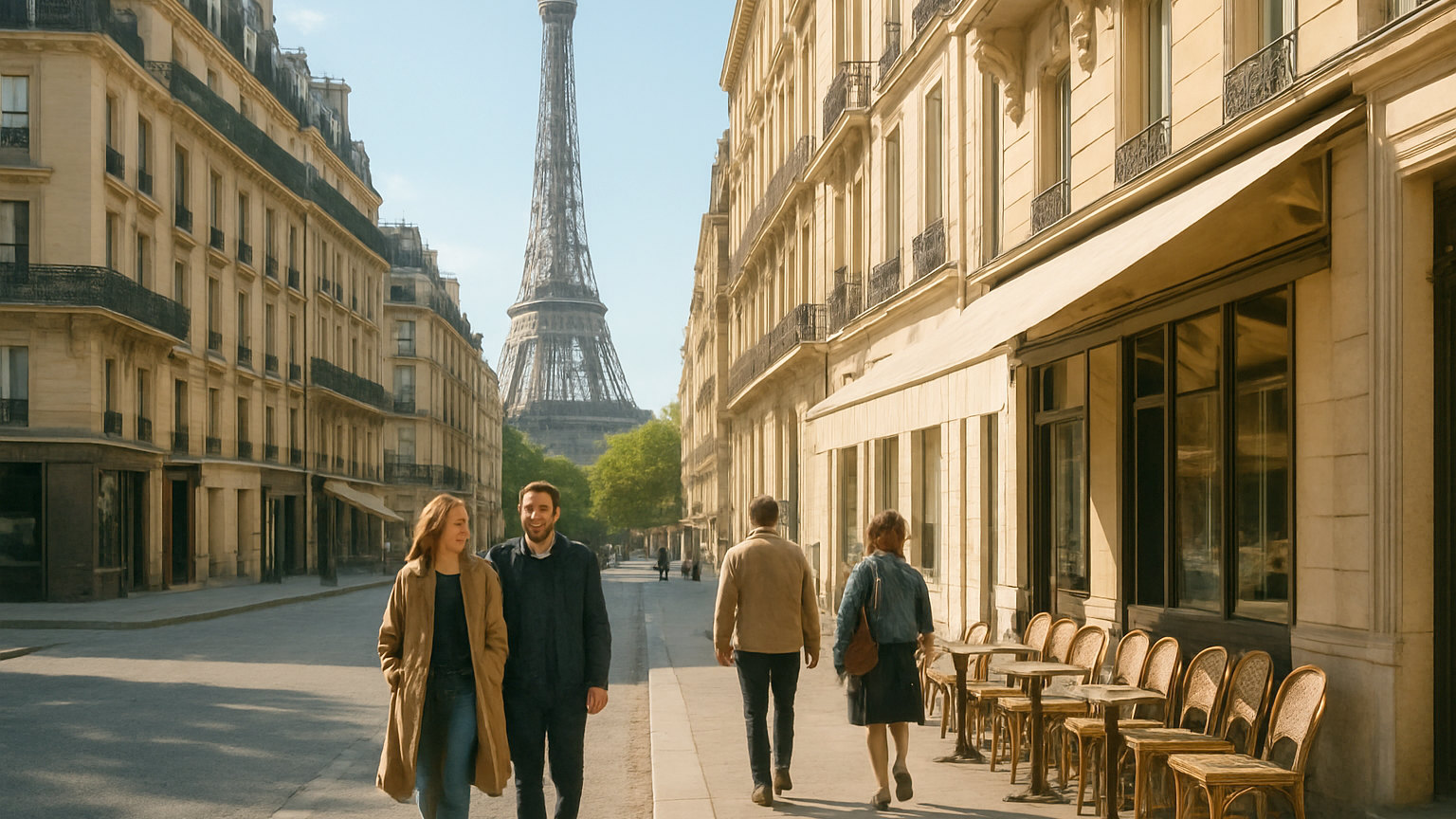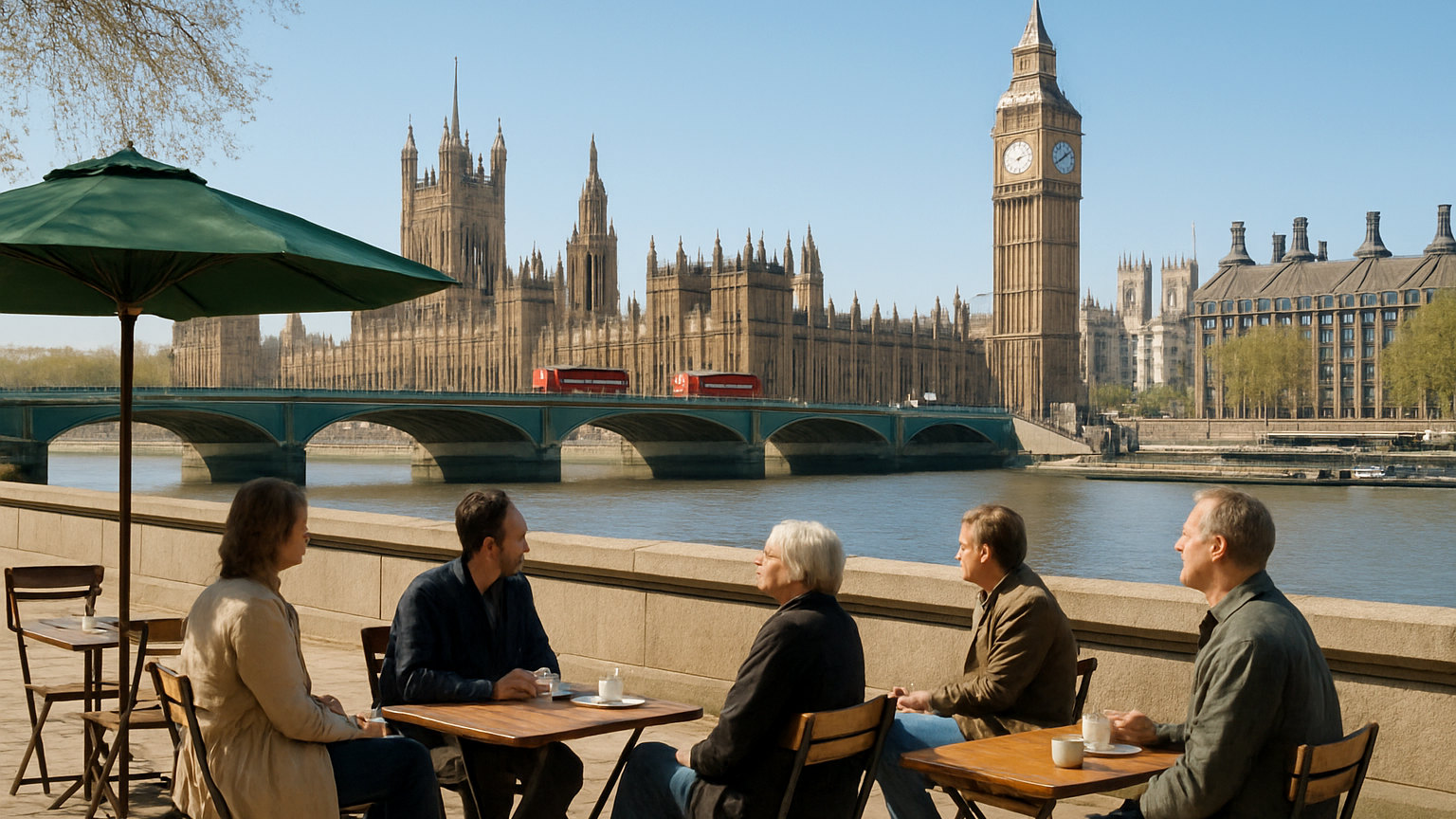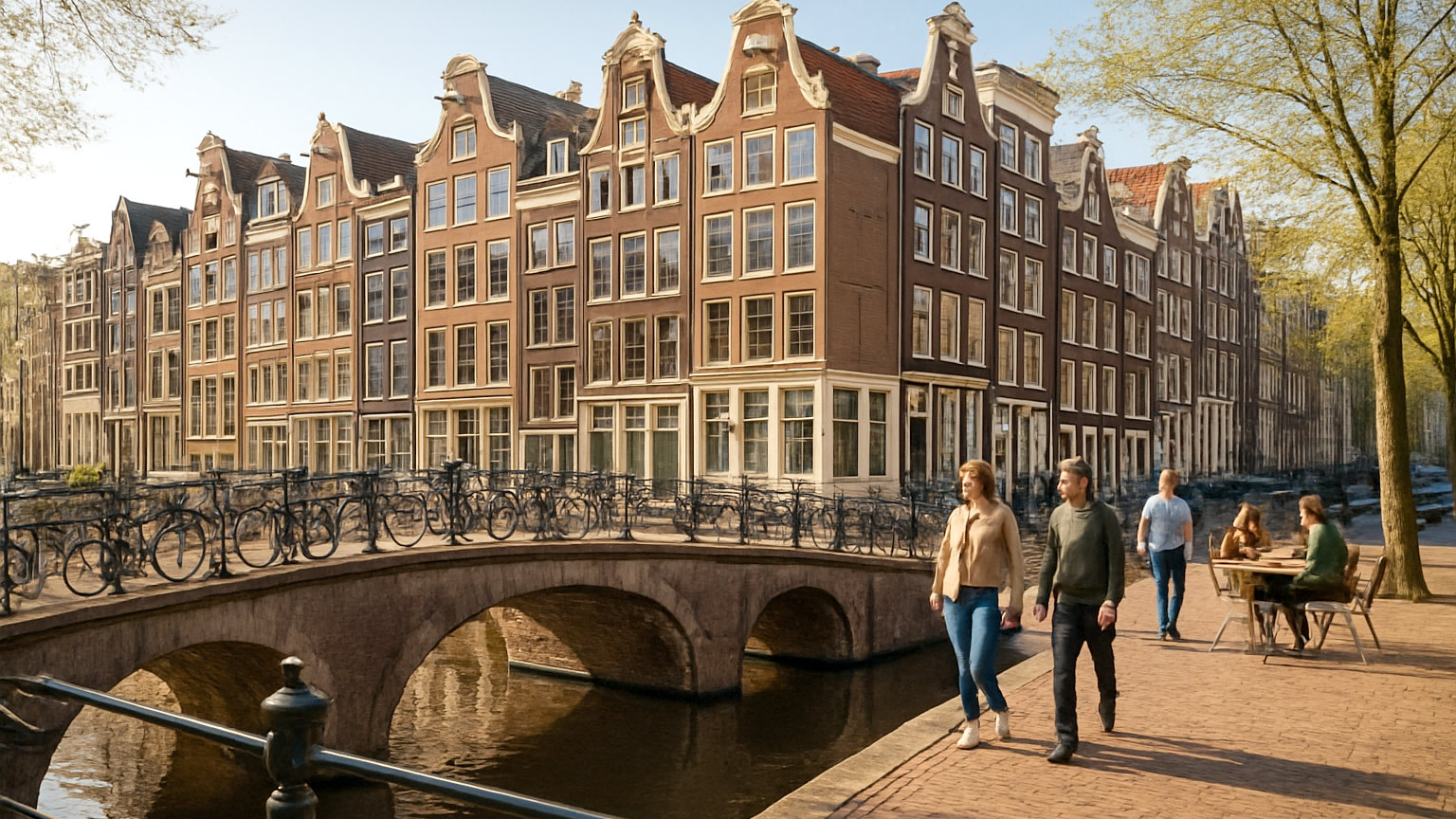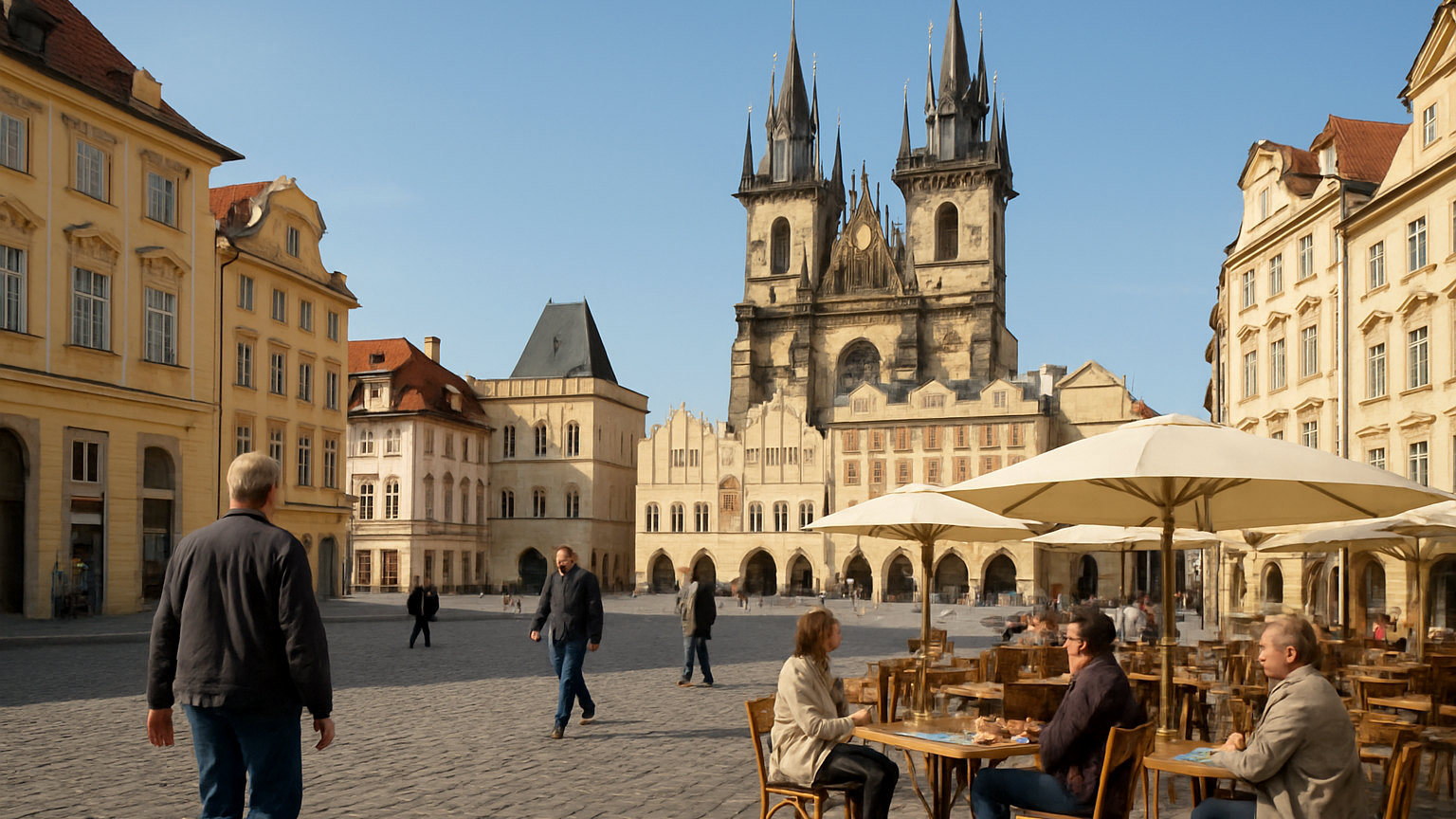
City breaks fail more often from overplanning than from underplanning. Three days in an unfamiliar city with a full schedule produces a sense of obligation rather than pleasure, and the things people remember afterwards are almost always the unscheduled ones.
How much fits in a day?
One major attraction, one district explored on foot and one thing in the evening. That is a full day in any European city once you account for walking between them, eating, and the time that disappears simply looking at things. Two major attractions in a day is possible and rarely enjoyable.
What should you actually book?
Only what genuinely needs it. Timed-entry attractions that sell out, such as the Vatican Museums, the Sagrada Familia, the Anne Frank House, the Uffizi and the Alhambra. One restaurant you have specifically read about. Everything else can be decided on the day, and leaving it open is what makes the trip feel like a holiday.
How should you structure the days?
By geography rather than by interest. Group what you want to see into districts and do one district per half day, which removes the crossing and recrossing of a city that wastes hours. Most European city centres divide naturally into three or four such areas.
When should you do the busy things?
First thing in the morning, consistently. Major attractions and photogenic streets are emptiest before about nine and after about six, and the difference is not marginal. An early start at the one thing everyone wants to see buys a relaxed rest of the day.
What should you leave out?
The second-tier museums, which is where most over-scheduling happens. Every city has one famous collection and several good ones, and visiting three in three days produces diminishing returns. Pick the one and spend the recovered time somewhere with chairs.
How do you build in recovery?
Deliberately, by scheduling a long lunch or an afternoon in a park or a cafe rather than treating it as slack that will appear. City breaks involve considerably more walking than normal life, and the second day is usually when that catches up with people.
Is a list better than an itinerary?
For most people, yes. A list of ten things you would like to do, ordered by how much you want them, with the two or three booked items fixed in place, produces better trips than an hour-by-hour plan. It survives rain, tiredness and the discovery of something better.
What should you research in advance?
Opening days, which catch people out repeatedly, since many European museums close on Mondays and some on Tuesdays. Whether anything major is closed for restoration. Local eating hours, particularly in Spain. And the transport ticket that fits your trip, bought at the airport on arrival rather than worked out later.
What should you leave to chance?
Dinner, most evenings. Booking every meal in advance removes the ability to eat where you happen to be, which on a walking-led trip is most of the pleasure. One booked restaurant in three nights is usually the right balance, chosen for somewhere you would be disappointed to miss.
How do you handle bad weather?
By having one indoor option identified in each district rather than a wet-weather day planned. A museum, a covered market or a church you had intended to see anyway lets you swap the order of the day rather than abandon it.
How much should you read beforehand?
Enough to know what you are looking at and not so much that there are no surprises. A short history of the city, or a single well-chosen book or documentary, adds more to a trip than a long list of recommendations. Arriving with some context is what turns a building into something worth standing in front of.
What about the first evening?
Leave it unplanned. Landing, finding the accommodation and walking out to eat somewhere nearby is a better introduction than a booked table across the city.
For the next step, see Are Walking Tours Worth It in European Cities?, or browse the full Holidays section.
The short answer
Plan one major thing per day, group the rest by district, book only what sells out, and start early at whatever is busiest. Keep a ranked list rather than a timetable, check museum closing days, and deliberately schedule an afternoon of doing nothing.