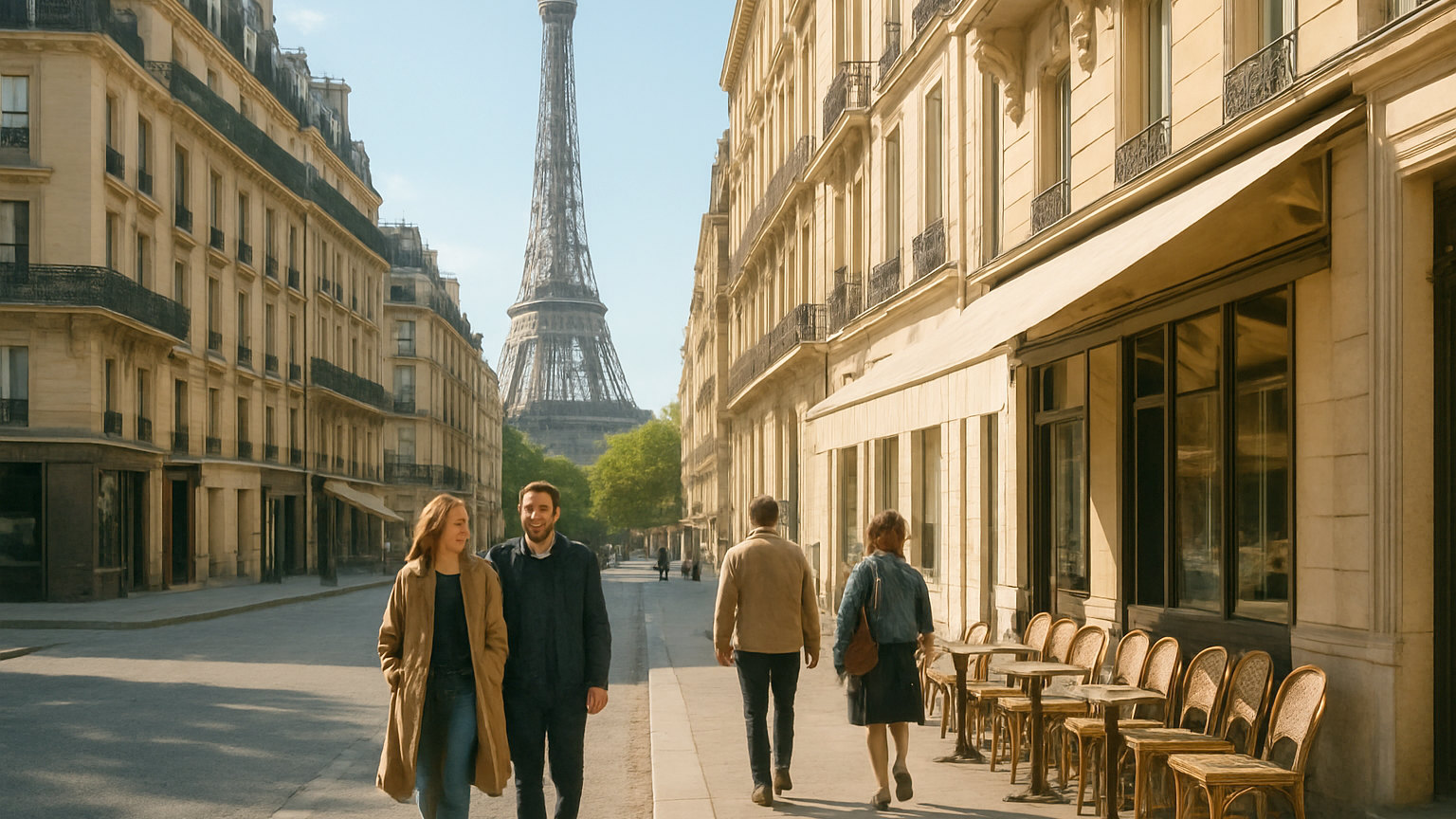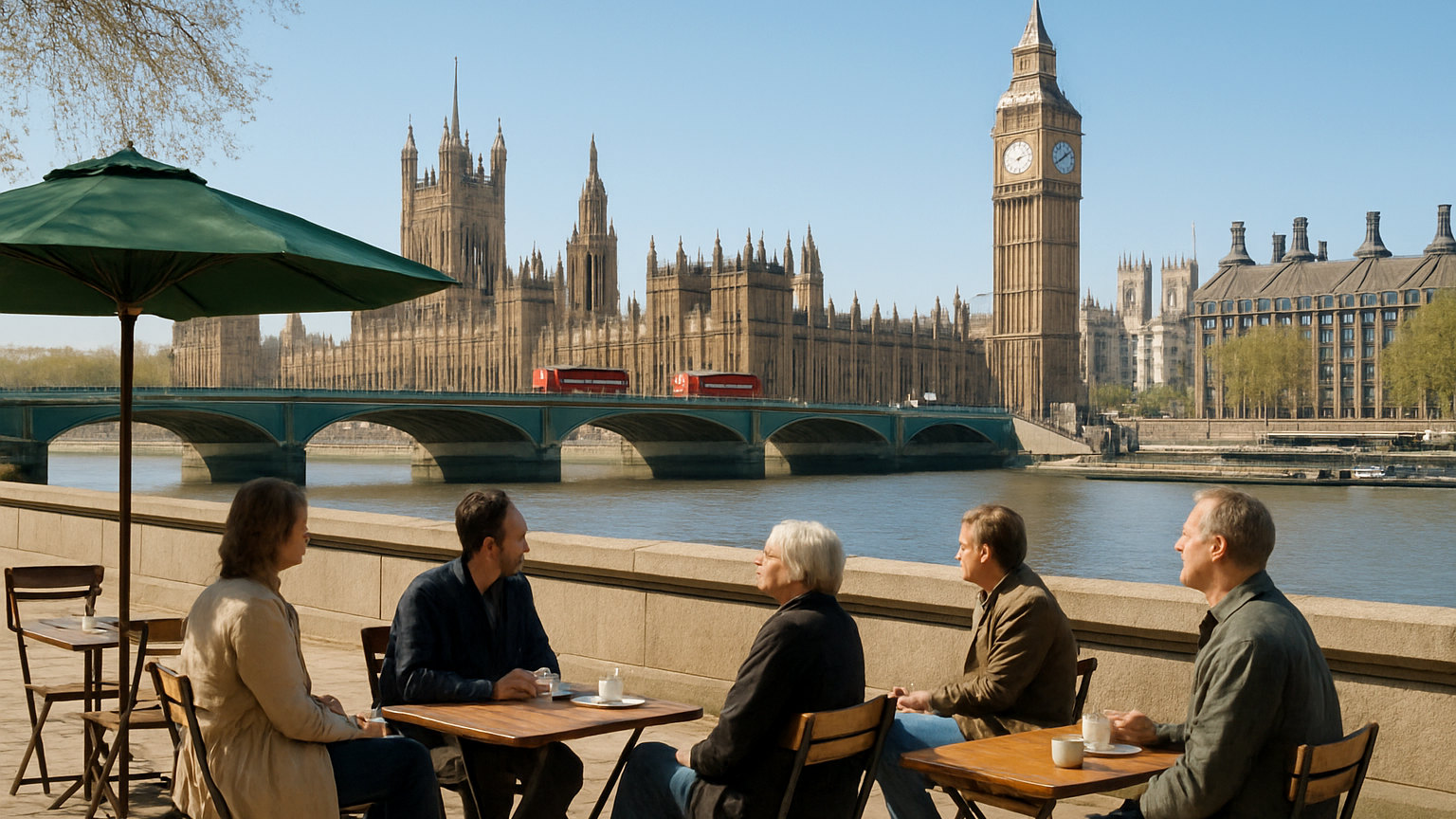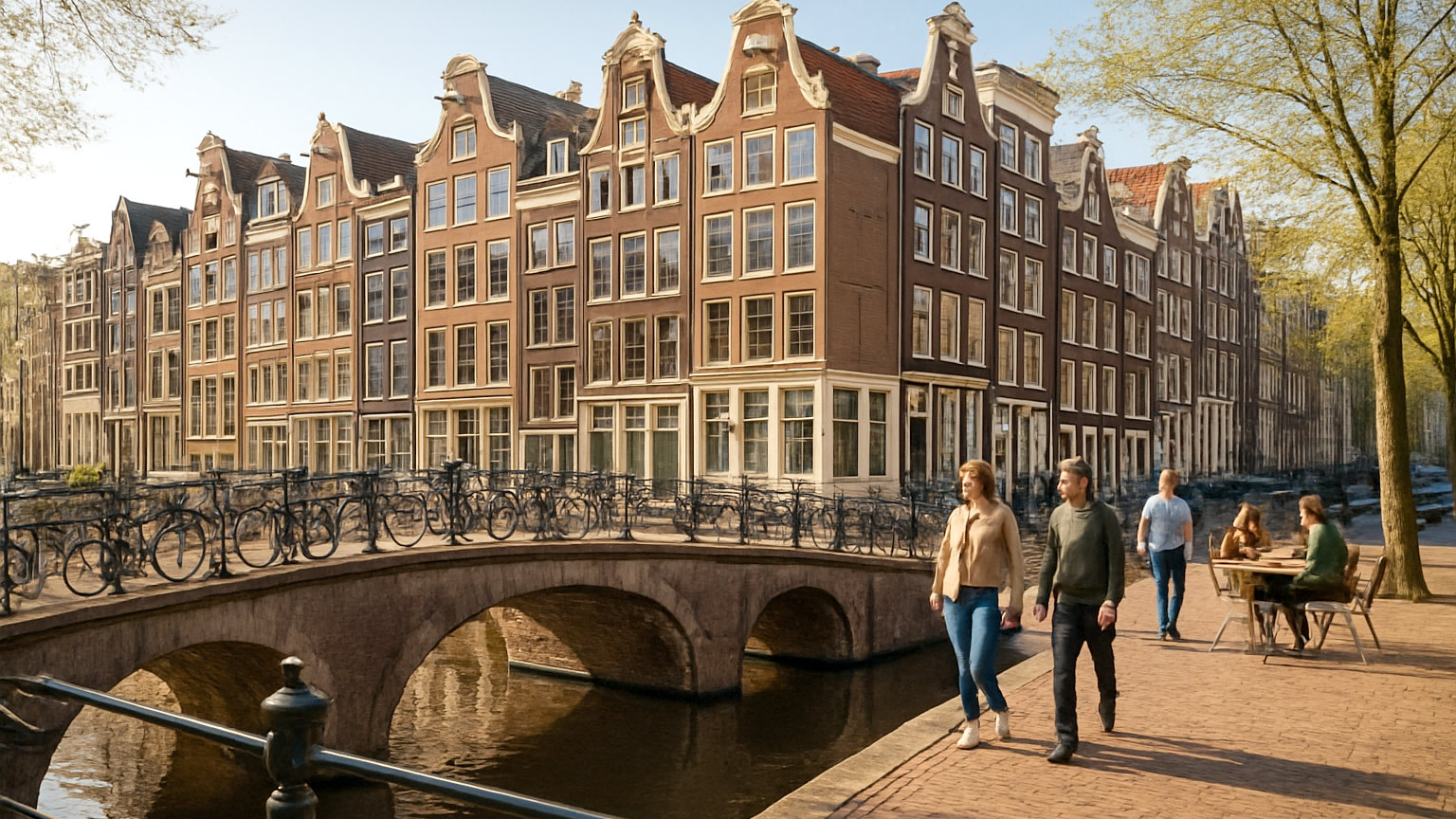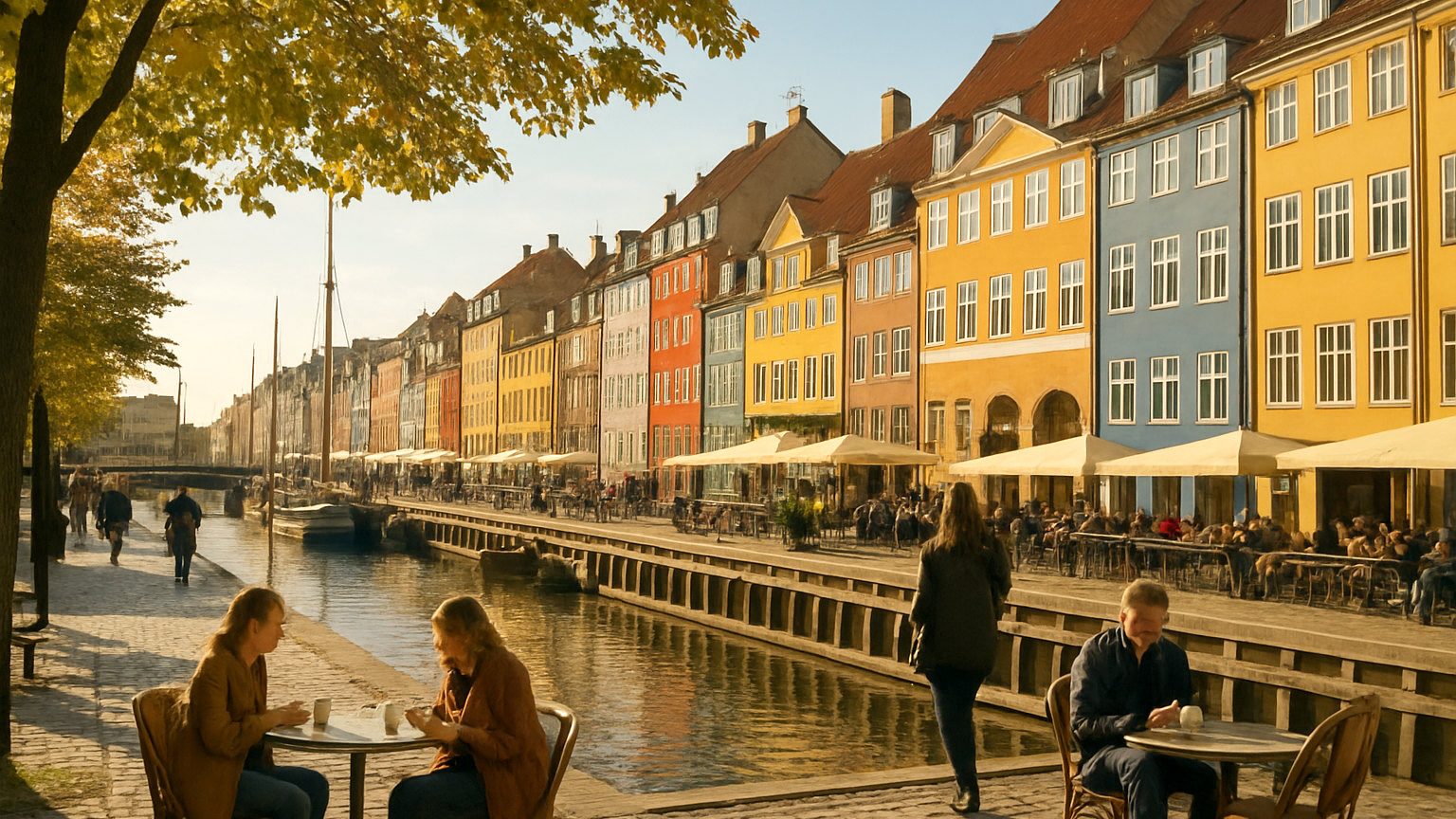
European cities are among the easiest places in the world to travel alone, and the ones that suit it best share particular features: a walkable centre, a culture where eating alone is unremarkable, good public transport and something to do after dark that does not require company.
Which cities are best?
Lisbon and Porto, both compact, friendly and with a strong hostel and guesthouse culture. Berlin, which is unusually easy alone because so much of it is designed around people doing things independently. Amsterdam and Copenhagen for walkability and English. Krakow and Budapest for low prices and an established solo scene.
Vienna and Madrid work particularly well for anyone who likes museums, cafes and sitting for a long time, which is the natural rhythm of solo travel.
What makes eating alone easy?
Bar counters and small plates. Spain is the easiest country in Europe to eat alone, because eating standing at a bar with tapas or pintxos is entirely normal and nobody registers it. Italy is similar at lunch and more couple-oriented in the evening. Portugal, Greece and Turkey are all comfortable.
Sitting at the bar rather than taking a table changes the experience considerably, and most kitchens will serve the full menu there.
What about the single supplement?
The main financial penalty of travelling alone. Hotels charge per room rather than per person, so a solo traveller pays close to the double rate. Hostels with private rooms, guesthouses and smaller pensions largely remove it, and several cities have a good supply of genuinely small single rooms.
How do you meet people if you want to?
Walking tours on the first morning, which are the most natural way. Food tours, cooking classes and day trips, all of which have a shared activity to talk about. Hostels with a common area, even if you take a private room. Nothing requires committing to a group, and all of them are easy to leave.
Is it safe?
European cities are broadly safe for solo travellers, with the main risk being opportunistic theft rather than anything more serious. Pickpocketing is organised and persistent in Barcelona, Rome, Paris and Prague, particularly on public transport and around major attractions. The usual precautions apply: bag closed and in front, nothing in back pockets, and awareness in crowds.
Walking home late is a judgement everyone makes for themselves, and taking a taxi is a reasonable use of money on a solo trip.
What is different about planning?
You can do exactly what you want, which is the point, and it takes a day or two to stop planning as though someone else needs accommodating. Solo trips usually work better with less scheduled, since there is nobody to coordinate with and changing plans costs nothing.
What is worth doing differently?
Sharing your itinerary with someone at home. Keeping a copy of documents separately. Booking the first night in advance even if the rest is loose. And choosing accommodation with a common area or a reception rather than a lockbox apartment, which makes a difference if something goes wrong.
What about the evenings?
The part of solo travel people worry about most and the easiest to solve. Cities with a bar-counter culture, a concert or cinema scene, or long light evenings in summer all give you somewhere to be that does not require company. Booking one thing for an evening, such as a concert or a food tour, removes the question entirely for that night.
Is it cheaper or more expensive?
More expensive per person on accommodation and cheaper on everything else, since you eat and do exactly what you want. The single supplement is the main penalty and guesthouses largely remove it.
See also Is Oslo Expensive to Visit?, which covers a related part of the same decision, and our other Holidays guides.
The short answer
Lisbon, Porto, Berlin, Krakow, Budapest and Madrid are the strongest solo city breaks in Europe. Eat at the bar rather than a table, take a walking or food tour on the first day, look for guesthouses to avoid the single supplement, and watch your bag on the metro.