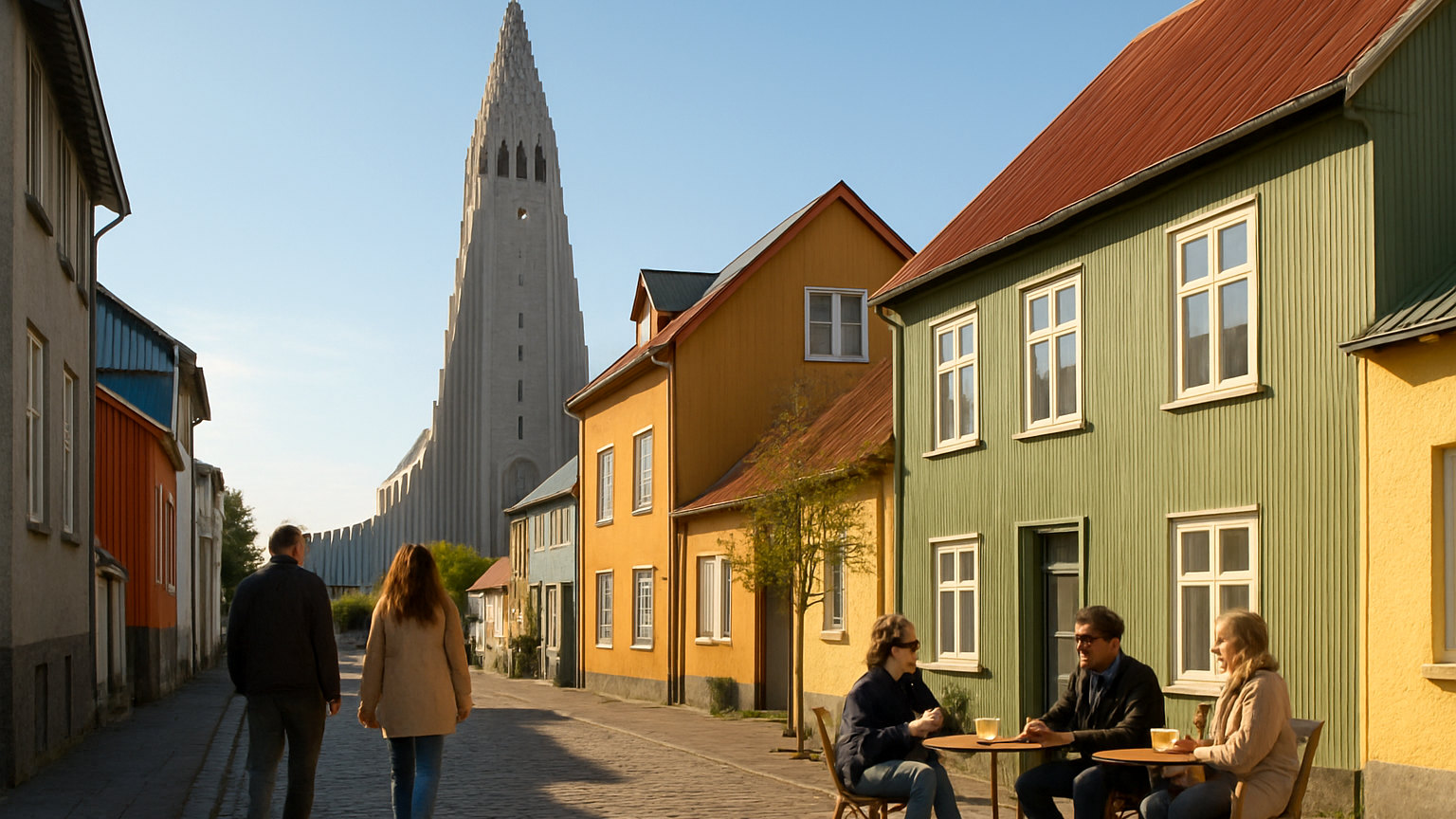
Iceland is among the most expensive countries in Europe and the reasons are structural. A population smaller than most European cities imports almost everything across the North Atlantic, wages are high and sales tax is substantial, which affects every price in the country.
Why is food so expensive?
Because very little is grown there. Iceland has limited agriculture beyond lamb, dairy and greenhouse vegetables grown with geothermal heat, so most food arrives by ship or air to a small market with no economies of scale.
What about alcohol?
Heavily taxed and sold through the state Vinbudin monopoly, with restricted hours. Bar prices are among the highest in Europe. The duty-free shop in the arrivals hall is used routinely by residents and is worth using.
What is genuinely cheap?
Tap water, which is excellent and should never be bought bottled. Hot water and heating, which come from geothermal sources. The municipal swimming pools, which are inexpensive, heated year round and the centre of Icelandic social life.
The pools are considerably better value than the famous commercial lagoons and are where Icelanders actually go.
How do you reduce the food bill?
Shop at the discount supermarkets rather than convenience stores, self-cater where possible, and use the hot dog stands and soup places for cheap hot food. Petrol station grills are a genuine national institution and cost a fraction of restaurants.
Is a tour or a hire car cheaper?
A hire car for two or more people, decisively, since tours are priced per head. For a solo traveller the calculation is closer. Fuel is expensive and the saving on the Golden Circle and south coast is still substantial.
What about the Blue Lagoon?
Expensive, booked in advance and busy. The municipal pools, the Secret Lagoon and the Sky Lagoon are all cheaper alternatives, and the local pools cost very little indeed.
Where does the money actually go?
Accommodation and the car, which together dominate a trip. Reykjavik hotels are expensive and guesthouses outside the centre are better value, particularly on a self-drive trip where you are barely in the city.
When is it cheapest?
October to April excluding Christmas and New Year. Winter brings lower prices, the northern lights and shorter daylight, with some roads and highland routes closed entirely.
How long should you stay?
Reykjavik itself needs one or two days. Iceland needs a week, and treating the city as a base for the first and last nights rather than the destination gives far better value.
Is it worth it?
For the landscape rather than the city. Nobody returns from Iceland enthusiastic about the shopping, and almost everybody returns enthusiastic about the waterfalls, glaciers and geothermal areas, which are largely free to visit.
What is the single biggest saving?
Not eating out. The gap between restaurant meals and self-catering is wider in Iceland than anywhere in Europe, and a trip built around a supermarket shop and a hire car costs a fraction of one built around restaurants and tours.
How much of the landscape is free?
Almost all of it. Waterfalls, black beaches, geothermal areas and the Golden Circle sites are largely free to visit, with parking charges at some of the busiest. The cost of Iceland is getting there and staying, not seeing it.
What about campervans?
Popular because they combine transport and accommodation, and they are not cheap once hire, fuel and campsite fees are counted. Compare against a small car plus guesthouses before assuming a saving.
How do you get there cheaply?
Iceland is well served from the UK and fares vary enormously by season and airline. Booking early for winter dates produces the lowest fares, and Keflavik is around forty-five minutes from Reykjavik by bus rather than taxi.
How Expensive Is a Trip to Bern? is the natural next read, alongside the wider Holidays section.
The short answer
Because a small market imports almost everything, with high wages and high tax on top. Drink the tap water, use the municipal pools rather than the Blue Lagoon, self-cater, take a hire car rather than tours, and treat Reykjavik as a base for the landscape.