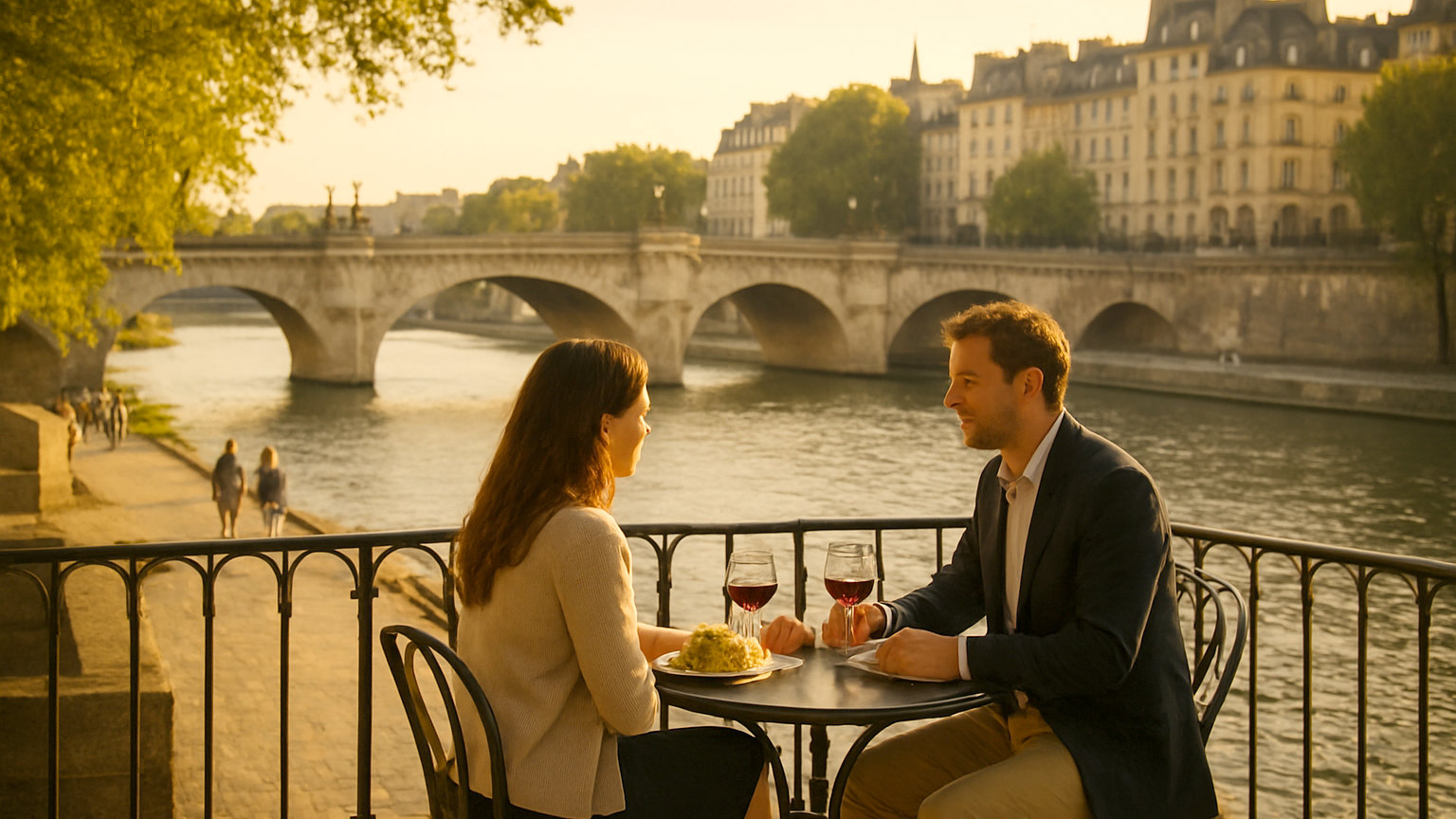
The cities that suit two people are not necessarily the ones with the greatest museums. What matters is whether the evening is as good as the day, because on a short trip the evenings are what you remember, and a city with magnificent collections and nothing to do after six is a poor couples break.
Which cities have the best evenings?
Seville, where the entire city is built around being outside after dark and the tapas culture means dinner can last four hours across five bars. Lisbon, for the miradouros and the hills at dusk. Porto, for the river and the port lodges. Bologna, for the porticoes and the aperitivo.
San Sebastian and Madrid both work on the same principle, with an eating culture that starts late and moves around.
Which are best for walking?
Bruges, Ghent, Ljubljana, Salzburg, Bologna and Seville, all of which can be crossed on foot in half an hour and require no transport at all. Walkability matters more for two people than for a group, because it removes every logistical negotiation.
Which are best in winter?
Vienna and Budapest, both of which are designed for cold weather with coffee houses, thermal baths and long indoor evenings. Prague and Krakow for the same reasons at lower prices. Venice out of season, which is quiet and atmospheric in a way it never is in summer.
Which should you approach with care?
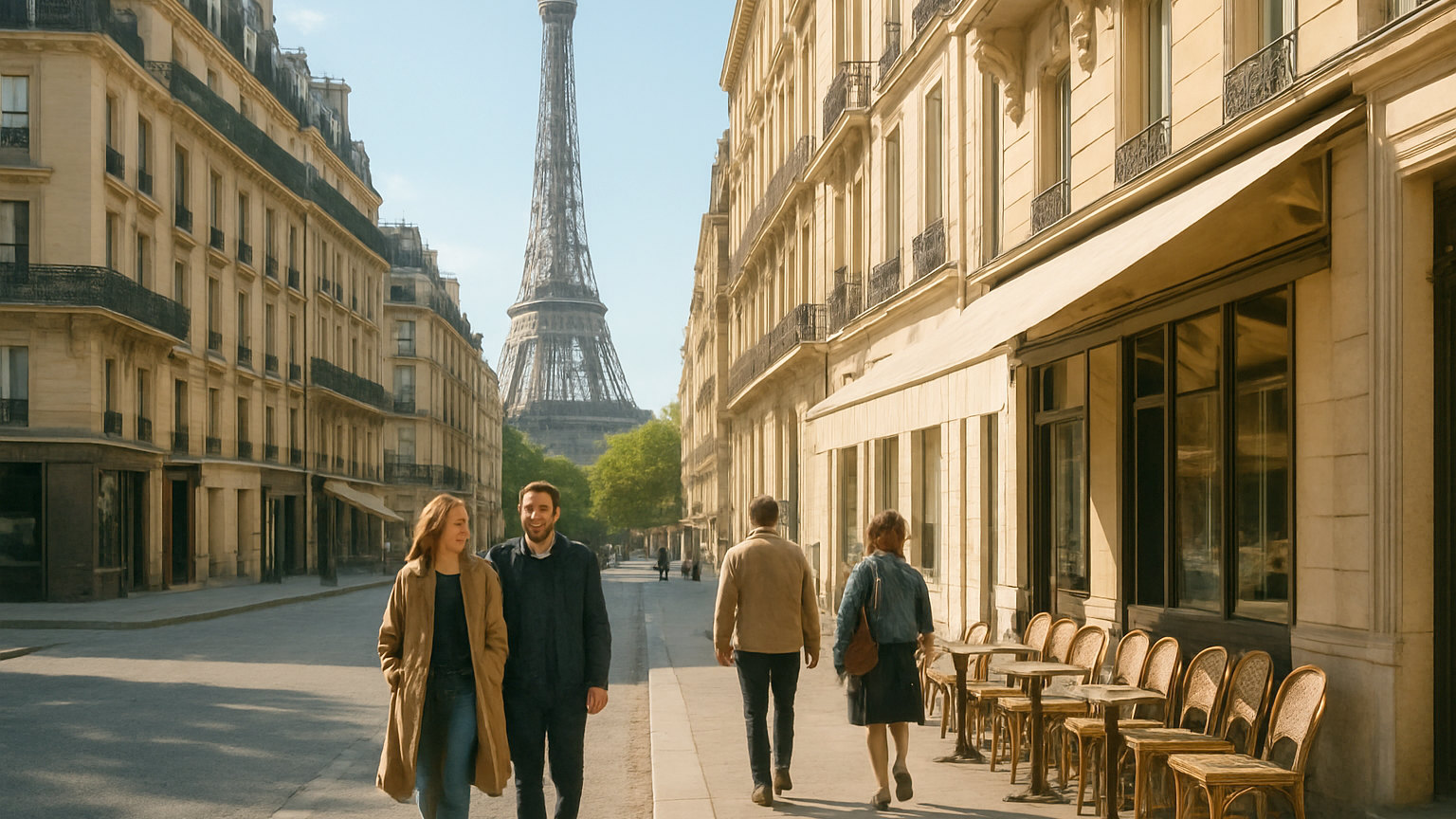
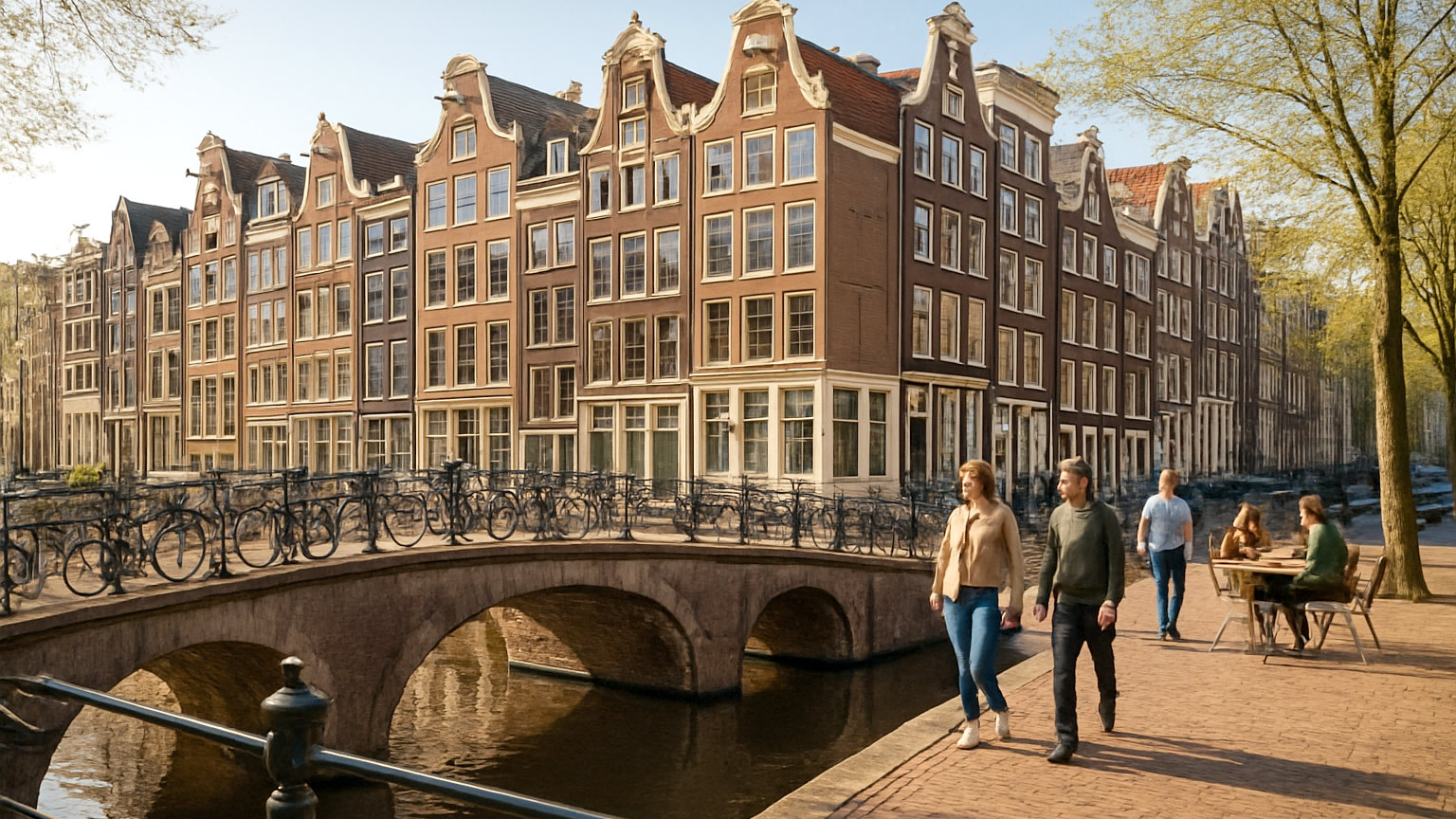
The very large cities, where a two-night trip is partly spent on transport and the romantic version requires knowing where to go. Paris, Rome and Istanbul all reward more nights. Amsterdam and Prague both have central districts that are extremely lively at night, which is either the point or precisely the thing to avoid depending on the couple.
Where should you stay?
Central enough to walk back from dinner, in a quiet street rather than on a square. Asking for a high floor away from the bar costs nothing. In the livelier cities, a residential district one stop out is often both cheaper and considerably more restful.
What should you book?
One dinner, and anything with timed entry that you would be sorry to miss. Beyond that, leaving the days open is what separates a break from an itinerary. The most common regret on short trips is having planned too much.
When should you go?
February, November and early March, which are the cheapest and quietest months in every European city and perfectly good for a trip built around eating, museums and walking. May and late September if you want to be outside.
Which are underrated?
Ljubljana, small, green and almost entirely pedestrianised. Trieste, for Habsburg cafes and a sea front. Valencia, which has a beach, a food market and far fewer visitors than Barcelona. Bologna, which most people pass through on the way somewhere else.
How long should you go for?
Three nights rather than two, which doubles the useful time for a modest extra cost and removes the sense of rushing. Four suits the larger cities. Two nights works only for small walkable towns with a short flight.
What about eating alone together?
Worth planning one good dinner and otherwise following the local eating hours rather than British ones. Arriving at a Spanish restaurant at seven puts you in an empty room; arriving at nine puts you in the city.
Which cities suit a second visit?
The large ones, where a first trip covers the obvious and a second can be built around a neighbourhood, a market and a couple of meals. Paris, Rome, Madrid and Berlin all improve substantially on a return, which is an argument for going back rather than always somewhere new.
What about arriving late?
A late flight costs most of a night on a two-night trip. Check the times before comparing fares, since a cheaper flight landing at midnight is rarely the better deal.
It is worth reading alongside Where Should You Go to Propose in Europe?, which takes a different angle, and the wider Holidays guides.
The short answer
Choose a city where the evening is as good as the day: Seville, Lisbon, Porto, Bologna and San Sebastian lead on that. Travel in February or November for the lowest prices, stay central but off the main square, and book one dinner rather than the whole trip.