Romantic weekend lists tend to name the same four cities regardless of what anyone actually wants. The more useful question is what makes a short trip work for two people, which turns out to be walkability, good food without booking six weeks ahead, and something to do in the evening that is not a queue.
What actually matters?
A compact centre you can walk end to end, so the day is not spent on transport. Restaurants at a range of prices within a short distance of where you are staying. Somewhere to sit outside or somewhere warm to sit inside, depending on the season. And enough to see without needing a schedule.
Which cities do it best?
Bruges and Ghent, both small enough to cover in a day and at their best in the evening once the day visitors leave. Porto, which is walkable, cheap and has the river. Seville, for orange trees, tiled courtyards and a city built around being outside after dark.
Ljubljana, Bologna and San Sebastian are the underrated versions, all small, food-led and considerably quieter than their better-known equivalents.
What about Paris and Venice?
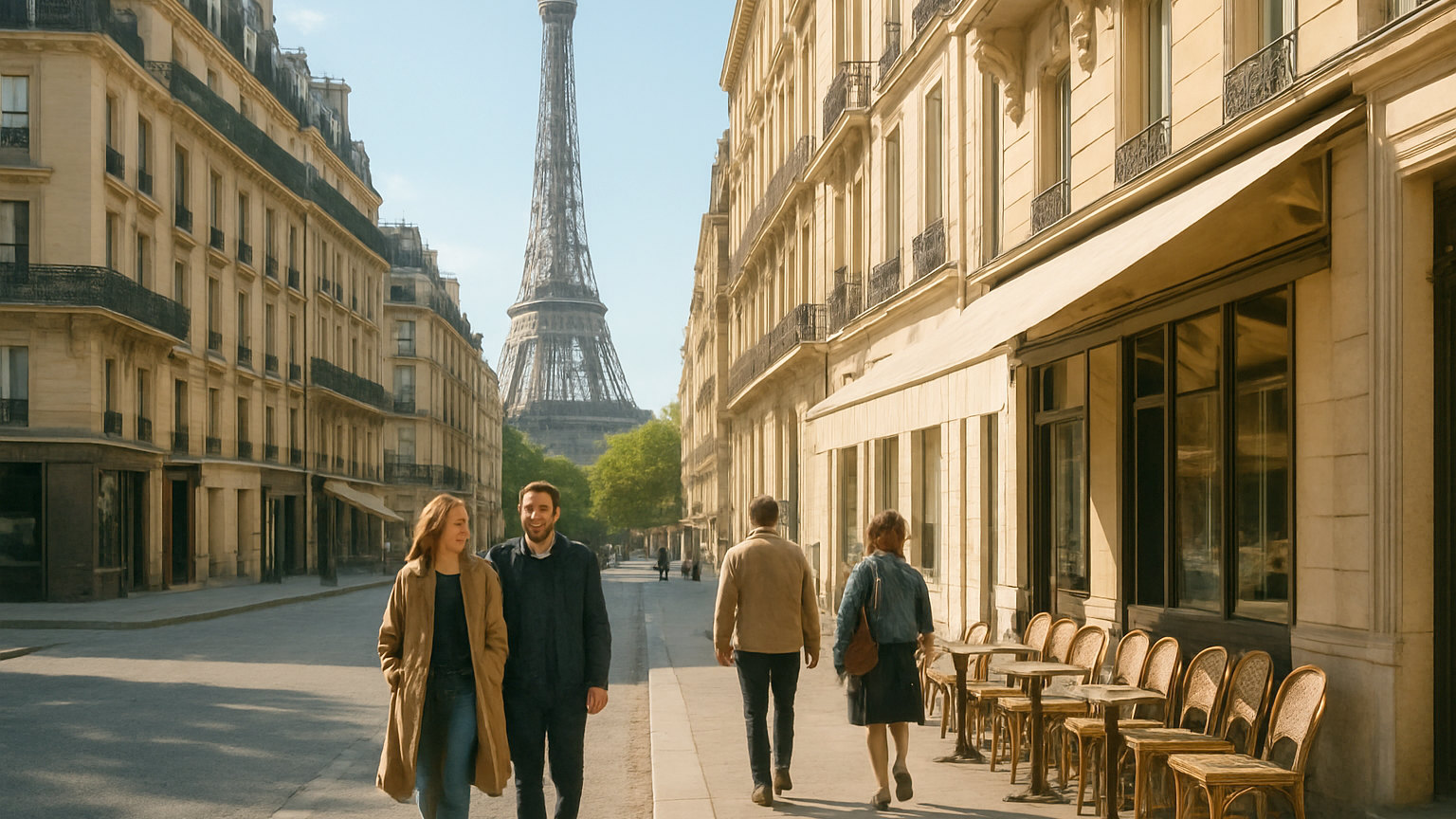
Both earn their reputation and both come with a caveat. Paris is large enough that a weekend is spent partly on the metro, and the romantic version of it is a neighbourhood rather than the monuments. Venice is genuinely extraordinary and is transformed by staying overnight, since the day-trip crowds leave in the late afternoon and the city becomes quiet.
Both are better in November, February or March than in summer.
Does the season matter?
More than the destination. The same city in February and August is two different trips, and the quieter one is almost always better for two people. Winter city breaks are cheaper, emptier and suit long meals and early dark. If you want to be outside, May and late September are the best compromise.
Where should you stay?
Central enough to walk home from dinner, which on a two-night trip is worth paying for. A small hotel or guesthouse rather than a large one, since the difference is felt more on a short trip. A room with something to look at, which is one of the few upgrades that genuinely changes a weekend.
What should you book?
One dinner and nothing else. A single good reservation gives the trip a shape without turning it into an itinerary, and leaving the rest open is what makes a weekend feel unhurried. Booking every meal removes the ability to eat where you happen to be.
What ruins them?
Overscheduling, long transfers and trying to see everything. A two-night trip contains one full day, and filling it with four attractions produces a tired argument rather than a memory. The trips people describe as their best are consistently the ones where they did less.
Is a small town better than a city?
Often. Sintra, Annecy, Colmar, Rovinj, Piran and Cesky Krumlov all work extremely well for two nights and have the advantage of emptying in the evening. The trade is fewer restaurants and less to do if the weather turns.
How much should you budget?
The largest variable is the city rather than anything you do in it. A weekend in Porto, Seville, Krakow or Ljubljana costs a fraction of the same weekend in Paris, Venice or Copenhagen, and the experience is not correspondingly worse. Spending the difference on a better room in a cheaper city usually produces a better trip than a modest room in an expensive one.
What about the flights?
Take the earliest outbound and the latest return, which can add most of a day to a two-night trip. On a short weekend the flight times matter more than the fare.
Anyone weighing this up will also want What Makes a Good Hotel for Couples?, along with the rest of the Holidays section.
The short answer
Choose a small walkable city or town, travel outside the summer, stay central enough to walk home, book one dinner and nothing else. Bruges, Porto, Seville, Ljubljana and San Sebastian all deliver more for a weekend than the obvious choices.