With a baby the destination matters far less than three practical things: how long the journey takes door to door, what the accommodation is like, and whether you can buy or hire what you need when you arrive. Get those right and almost anywhere in southern Europe works.
What actually matters?
Total journey time rather than flight time. A two-hour flight with a ninety-minute transfer is a five-hour day once check-in and waiting are counted. Anything that keeps the door-to-door figure under about six hours is a different experience from anything above it.
After that: a room with somewhere for the baby to sleep that is not beside your bed, a kettle or kitchen, and a pharmacy and supermarket within walking distance.
Which countries are easiest?
Italy, Spain, Portugal and Greece are all genuinely welcoming to babies and small children, in a way that is cultural rather than commercial. Babies are taken into restaurants at any hour without comment, staff engage with them, and nobody minds noise. Italy in particular is unusually warm about it.
The Netherlands, Denmark and Germany are easiest on infrastructure, with excellent baby-changing provision, step-free transport and pavements that take a pushchair.
Which destinations have the shortest journeys?
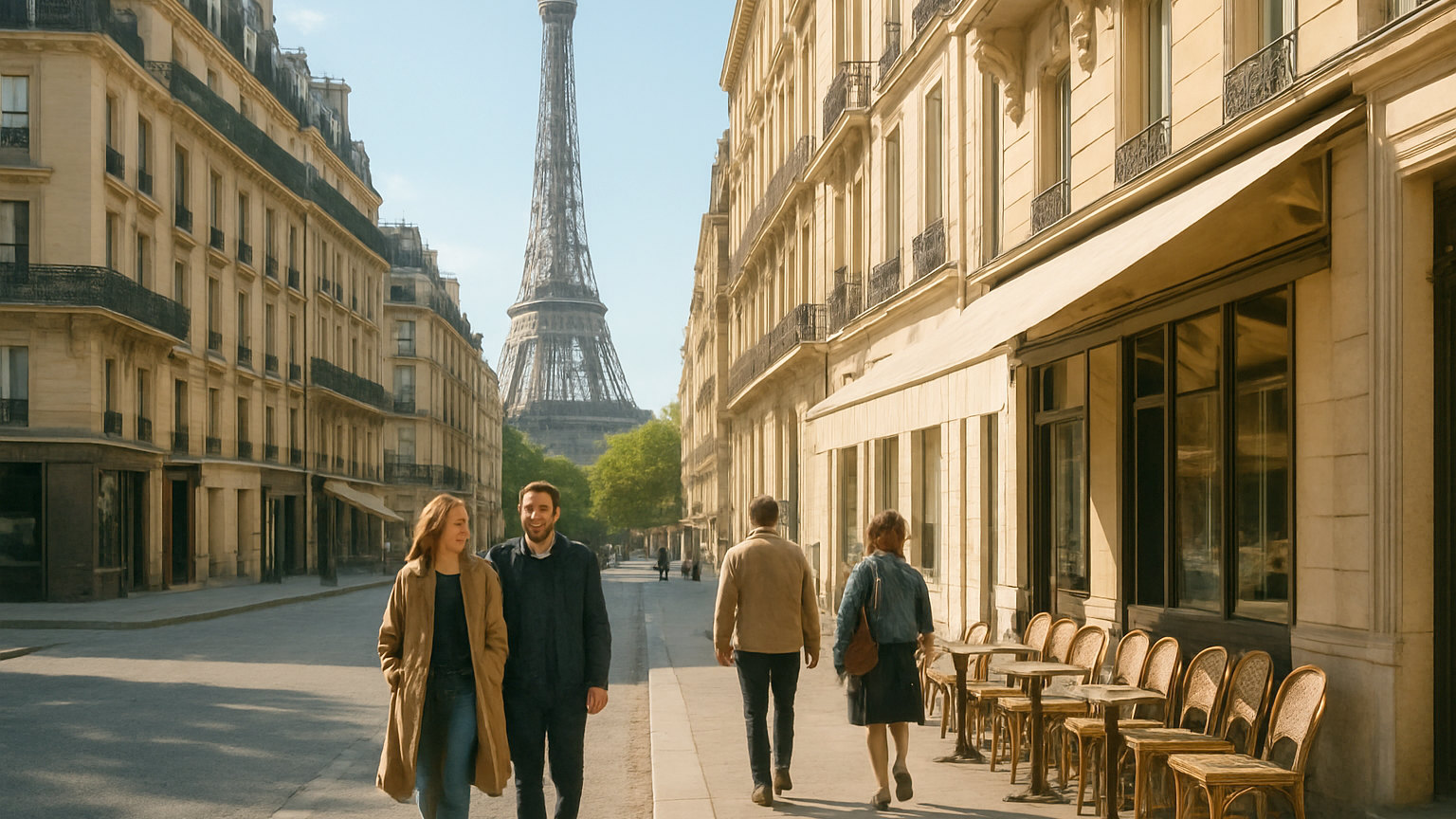
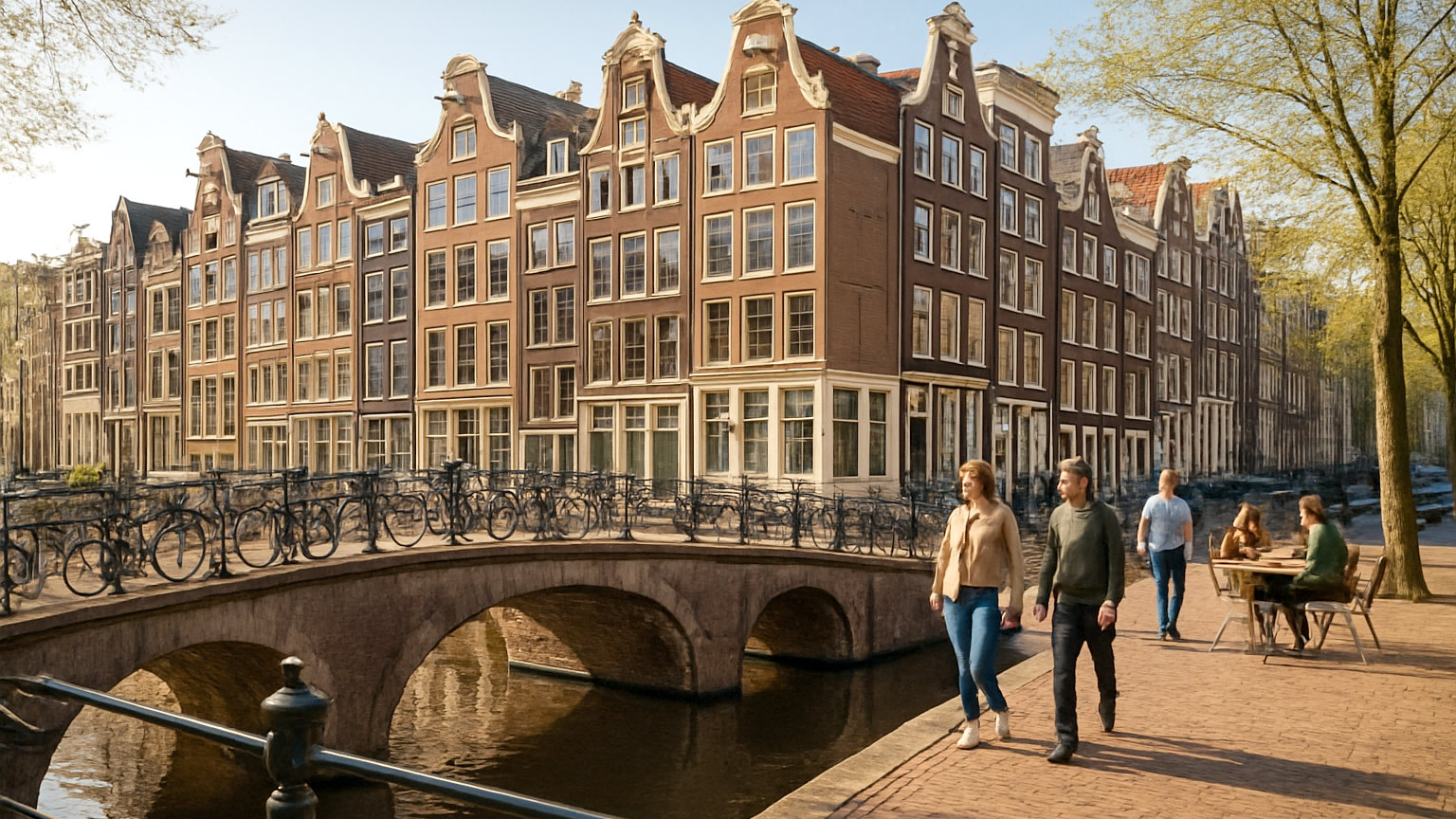
The Balearics and the central Algarve, where flights are two and a half to three hours and transfers are often under forty minutes. Nice, Amsterdam, Dublin and Bruges for short flights and short transfers. Malta, where the whole island is half an hour across.
Should you take equipment or hire it?
Hire, wherever possible. Cots, high chairs and sometimes buggies and car seats can be hired in most Mediterranean resorts, and many hotels and apartments provide a cot free on request, which must be booked rather than assumed. Taking less is worth more than having exactly the right thing.
Car seats are the exception: hire car seats vary in quality and fitting, and many parents prefer to take their own for that reason.
What about formula and nappies?
Available across Europe, though brands differ and the formula stages are labelled differently. Supermarkets and pharmacies in all the main destinations stock everything needed. If your baby is on a specific formula, take enough for the trip rather than assuming you will find the same one.
Villa, apartment or hotel?
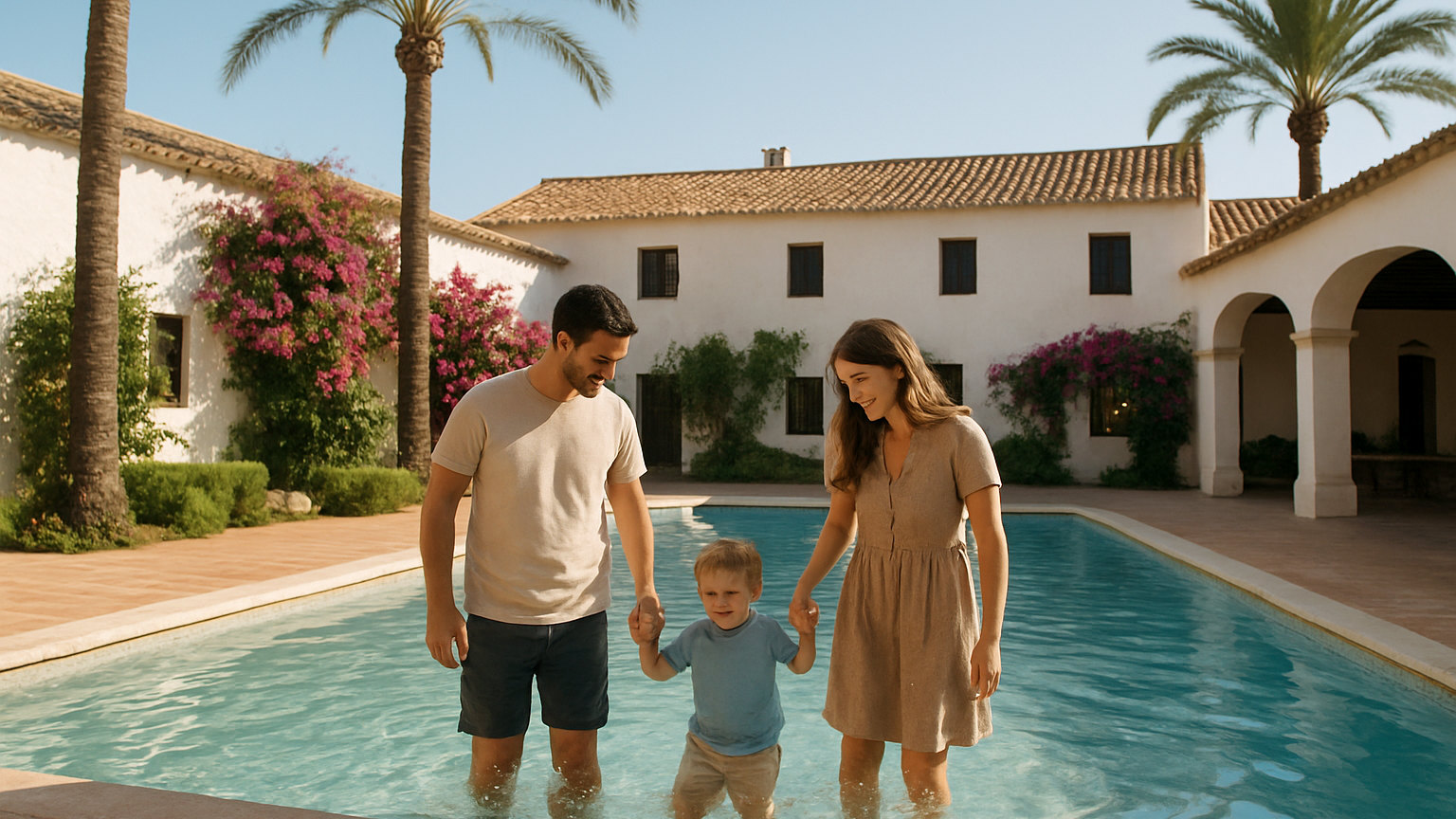
An apartment or villa usually wins, because a separate bedroom means the evening does not end at seven, and a kitchen handles bottles, milk and simple food. A hotel room with a baby in it is workable for a few nights and wearing for a fortnight.
What about the heat?
The one genuine reason to avoid high summer in the south with a baby. Babies overheat more easily than adults and are harder to keep in shade, and July and August in Spain, Italy or Greece can be uncomfortable. May, June, September and October are better months, and air conditioning is worth insisting on.
What paperwork do they need?
Their own passport, from birth, which takes time to obtain and cannot be borrowed from a parent. A GHIC for EU state healthcare, and travel insurance that covers the child, which is usually free on a family policy.
What about eating out?
Easier in southern Europe than at home. Restaurants eat later, high chairs are common, children are welcome at any hour and nobody objects to a baby. The practical adjustment is eating your main meal at lunch, which fits a baby routine far better than a nine o clock dinner and is cheaper. The set lunch menu is standard across Spain, Portugal, Italy and Greece and is usually the best value meal of the day. Restaurants in all four will also happily provide plain pasta, bread or rice for a baby starting solids.
If you are planning further, What Makes a Good Kids Club, and Do You Need One? covers the next part of the decision, and there is more in our Holidays guides.
The short answer
Choose a destination under six hours door to door with a short transfer, book an apartment rather than a hotel room, hire the cot and high chair on arrival, and travel in the shoulder months rather than the summer heat.