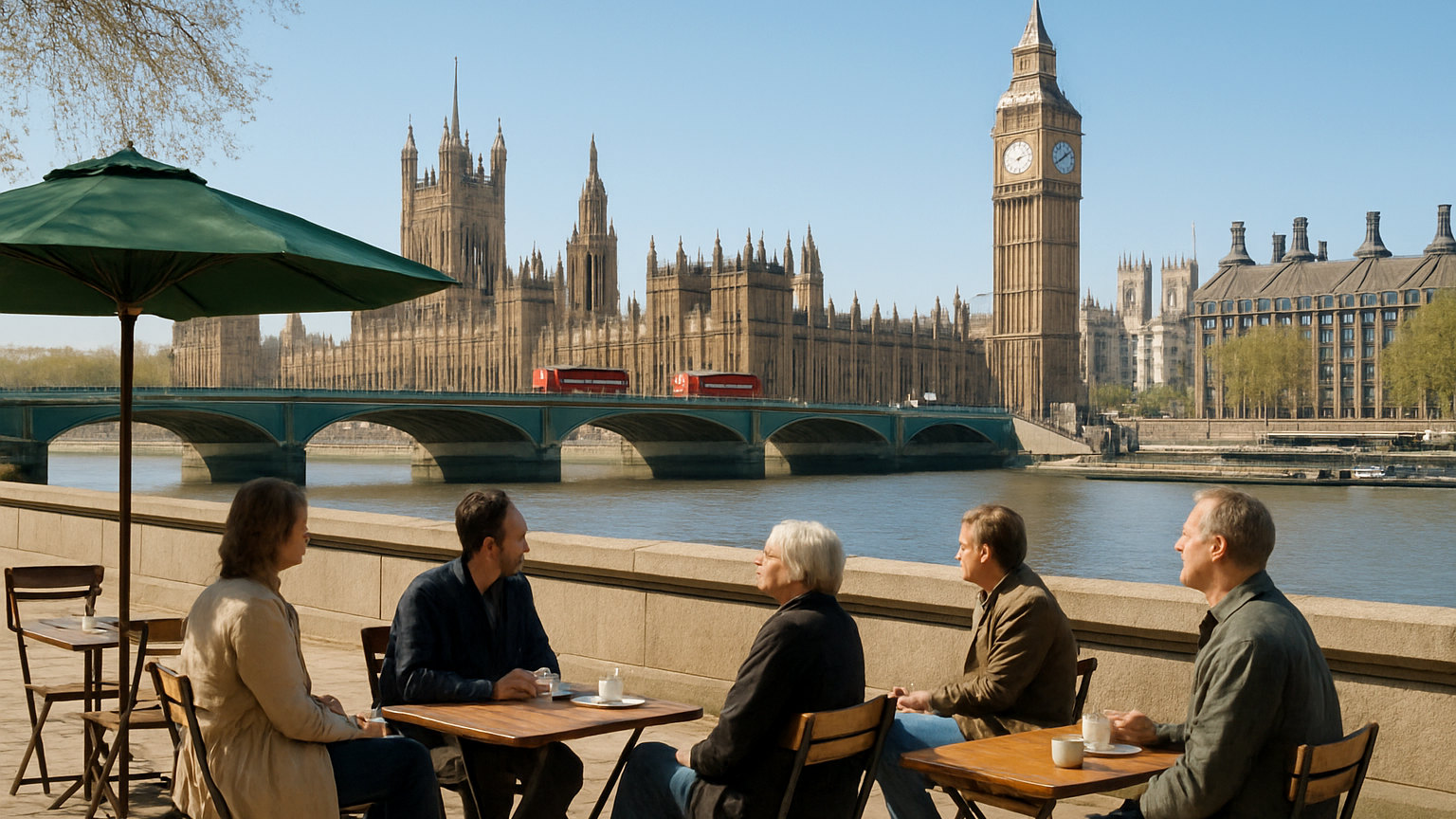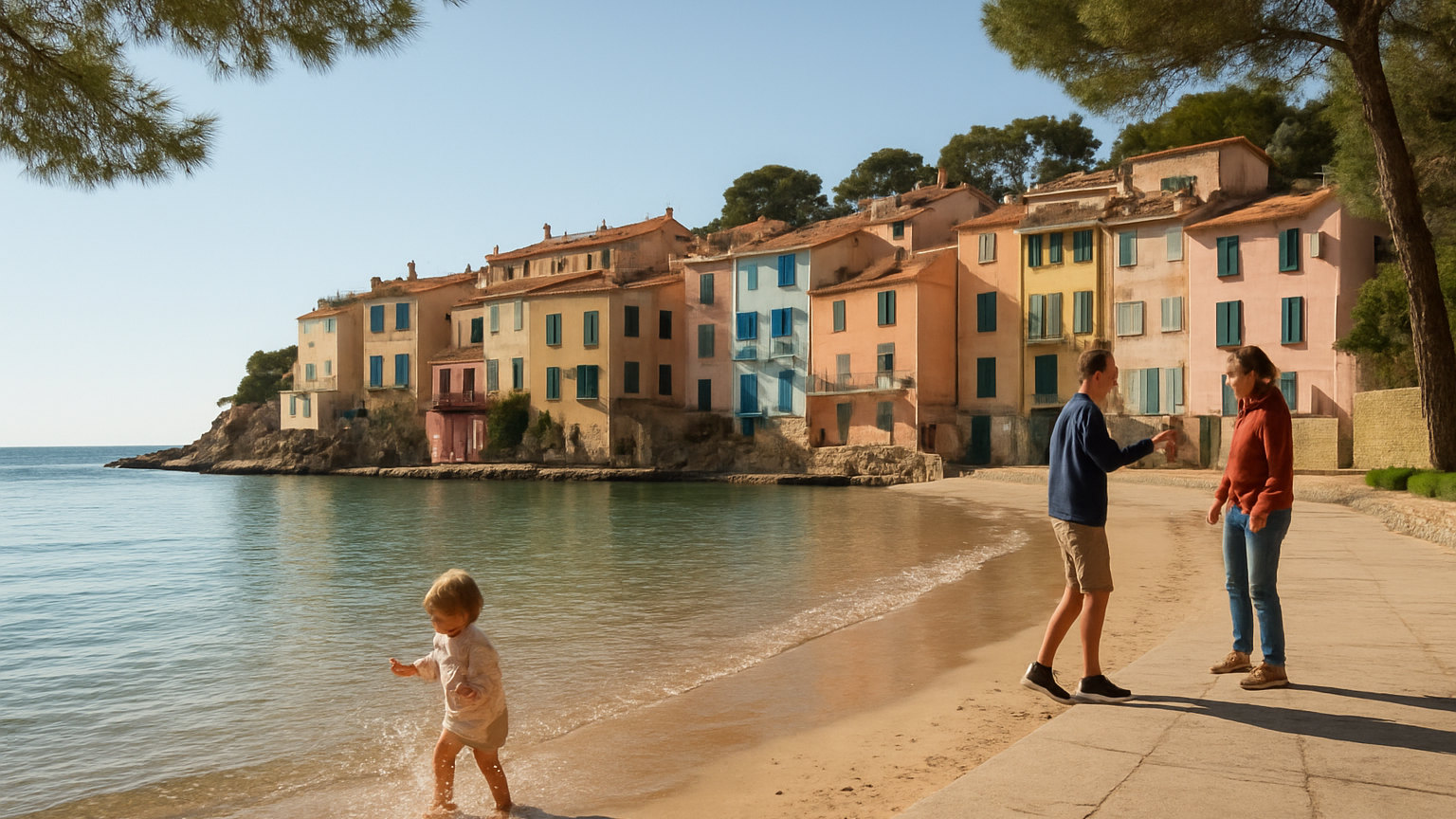
A family with a four-year-old and a fourteen-year-old is trying to satisfy two entirely different holidays at once. The destinations that manage it all share one feature, which is enough variety within a short distance that people can do different things without anyone being driven anywhere.
What does a mixed-age family need?
A base with a pool for the youngest. Something for the oldest that does not require a parent, which usually means a walkable town or watersports. Somewhere to eat that suits both a six oclock dinner and a nine oclock one. And enough different activities that no single day has to please everyone.
Which destinations do it best?
Mallorca, particularly around Alcudia and Puerto Pollensa, which combines shallow family beaches, a walkable town, watersports and enough beyond the resort for older children. The Costa Blanca around Javea and Denia for the same reasons with warmer shallow water.
Crete and Rhodes, where the larger resorts have both family infrastructure and enough going on in the evening. Protaras in Cyprus, which has calm shallow bays at one end and a livelier strip at the other.
What about cities?
Better than people expect with a wide age range, because cities offer parallel options. Barcelona, Lisbon, Valencia and Nice all have a beach, a metro a teenager can use alone, museums, parks and food. The compromise is that a toddler limits the walking, which a pushchair and an afternoon back at the apartment solves.
Does a villa or a hotel work better?
A villa suits wide gaps when it is near a town, because the pool occupies the youngest and the separate rooms give the oldest somewhere to be. An isolated villa is the worst option of all, since the teenager is trapped. A resort hotel with a pool complex, watersports and a town within walking distance is the strongest hotel version.
How should you structure the days?
Alternate rather than compromise. A day chosen by the younger child and a day chosen by the older one works better than trying to find something in the middle, which usually satisfies nobody. Splitting the adults for part of each day, with one taking the youngest back for a nap while the other does something more demanding, is the other common solution.
What about all inclusive?
It helps with mixed ages more than with any other family shape, because it removes the timing problem entirely. Younger children can eat at six and older ones at nine without it costing twice, and teenagers can get food and drinks independently through the day.
How long should you go for?
Ten to fourteen nights suits a wide age range better than a week, because it allows genuinely different days rather than a compressed schedule, and teenagers take several days to settle into a place.
What should you avoid?
Touring holidays with frequent moves, which are hard with a toddler and dull for a teenager. Quiet villages with one restaurant. Anywhere requiring a drive for every activity. And resorts marketed entirely at young families, where the entertainment is pitched at eight-year-olds and the older child has nothing.
What about splitting the holiday?
An option worth considering with a very wide gap. A week at a beach resort followed by a few nights in a nearby city gives each child a portion that is genuinely theirs, and the change of scene resets everyone. Mallorca with Palma, the Costa Blanca with Valencia, or Crete with Chania all work this way without a long transfer between the two halves.
Does it get easier?
Yes, from around the point the youngest reaches six or seven, when the gap in what is possible narrows sharply even if the gap in years does not.
Villa or Hotel: Which Is Better for a Family? is the natural next read, alongside the wider Holidays section.
The short answer
Choose somewhere with a pool, a walkable town and watersports within reach, alternate whose day it is rather than compromising, and consider all inclusive to solve the dinner timing. Mallorca, the Costa Blanca, Crete and Cyprus handle wide age gaps well.