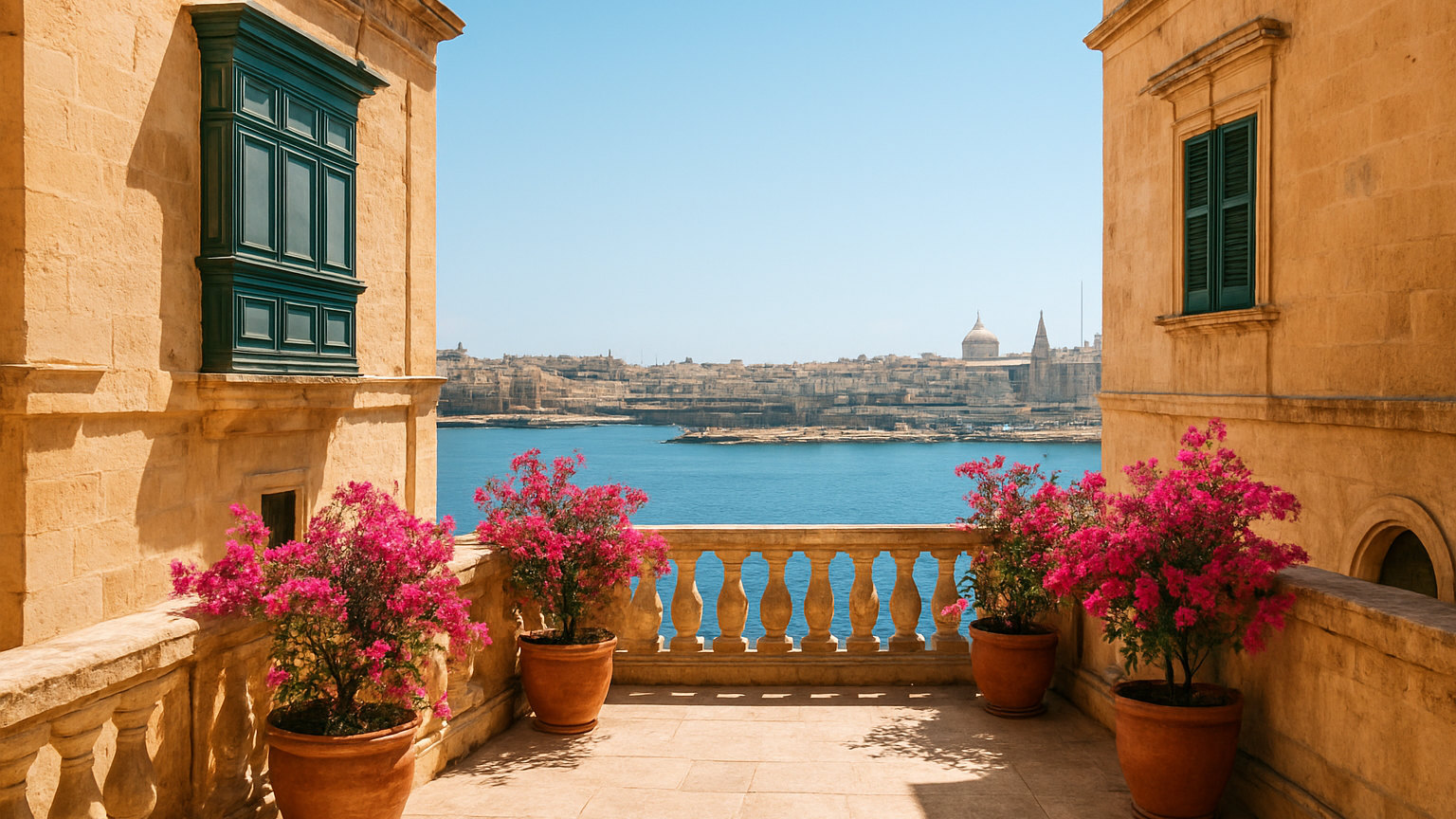
An adults-only property has no kids club, no water slides, no children pool and no family entertainment, which frees a substantial budget and a substantial amount of space. Where a hotel spends that is the most useful thing to know about it.
What usually improves?
Food, most often, since a kitchen cooking for adults alone can take more risk and needs no children menu. Adults-only resorts frequently have better a la carte restaurants and a more interesting buffet than family equivalents at the same price.
What about the spa?
The commonest area of investment, since it is the facility that requires the absence of children to work properly. Adults-only properties frequently have larger thermal areas, more treatment rooms and included access where family resorts charge.
Do the pools change?
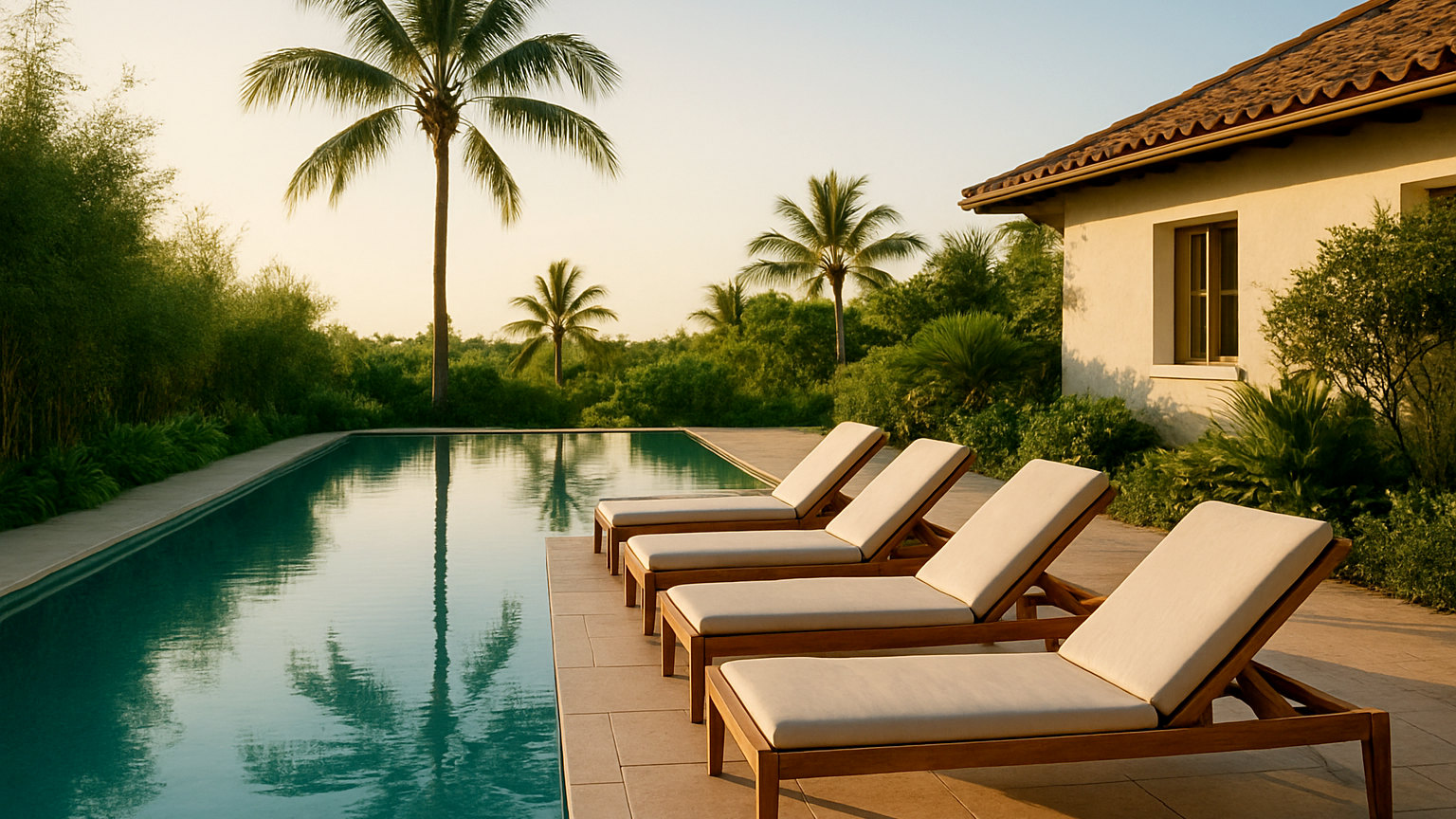
Considerably. Without a shallow end or a splash area, pools are designed for swimming and lying beside, with more space per guest and frequently more loungers. Several have adult-sized loungers in the water and quiet zones, which family pools cannot accommodate.
What about the rooms?
Designed for two rather than four, which means fewer beds and more space. Swim-up rooms, private terraces, outdoor baths and larger bathrooms are all more common, since the room budget goes into features rather than sleeping capacity.
Does service improve?
Frequently, since the staff-to-guest ratio rises when rooms hold two people rather than four. The same hotel converted from family to adults only serves perhaps thirty per cent fewer guests with the same team, which is felt daily.
What about the evenings?
Restaurants open later, which suits the local rhythm, and there is no mini disco at half past eight. Entertainment shifts towards live music, a pianist or a DJ rather than a resident cast show, and bars run later.
Is there more to do or less?
Usually less in organised terms and more in facilities. Fewer scheduled activities and a larger spa, better sports provision and more emphasis on excursions. Properties aimed at older travellers frequently add walking, cycling and cultural programmes.
Does the food timing suit everyone?
Worth checking, since some adults-only properties open dinner late and have no early option. For anyone who prefers to eat at seven, a resort running dinner from eight thirty is a genuine consideration rather than a detail.
What is frequently missing?
Anything requiring scale: multiple pools, extensive grounds, a water park. Many adults-only properties are smaller than family resorts, which is part of the appeal and means fewer facilities overall.
How do you judge where the money went?
Reviews mentioning the food, the spa and the staff, and photographs of the restaurants rather than the pool. A property that has genuinely reinvested shows it in those three, and one that has simply removed the children shows it in none.
Do they suit longer stays?
Better than family resorts, since the emphasis on food, spa and comfort rewards time rather than activity. A fortnight at an adults-only property with a good spa and several restaurants sustains itself in a way a facility-led resort does not.
Is the atmosphere different at night?
Noticeably. Without an early children dinner and a mini disco, the evening starts later and runs longer, which suits the local rhythm in Spain, Greece and Turkey. Bars are busier at eleven than at nine, which is the opposite of a family resort.
What about excursions and activities?
Frequently better organised, with walking, cycling, cooking classes, wine tastings and guided trips replacing the children programme. Properties in Greece, Italy and Turkey in particular use this to connect guests with the surrounding area rather than keeping them on site. Where these are included rather than charged, they are frequently the best value element of the whole package.
If you are planning further, How Much More Do Adults Only Hotels Cost? covers the next part of the decision, and there is more in our Hotels guides.
The short answer
Expect better food, a larger spa, pools designed for swimming rather than splashing, and rooms built for two with terraces or swim-up access. Service usually improves because the same staff serve fewer guests. Check the dinner hours, which are frequently later.