At a five-hundred-room resort the same category covers rooms in different blocks, on different floors, facing different directions and at very different distances from everything. Which one you get is decided by allocation, and allocation responds to requests made in advance.
What varies within a category?
Position relative to the pool, the restaurant and the beach. Distance from the entertainment stage, the service area and the road. Floor level. Aspect, which determines sun and heat on the balcony. And block age, since large resorts built in phases have older and newer accommodation.
What should you ask for?
A high floor, away from the entertainment area and the lift, near the main pool, in a named block if you know the layout. That single sentence covers most of it and is a routine request that costs nothing.
How do you know which block?
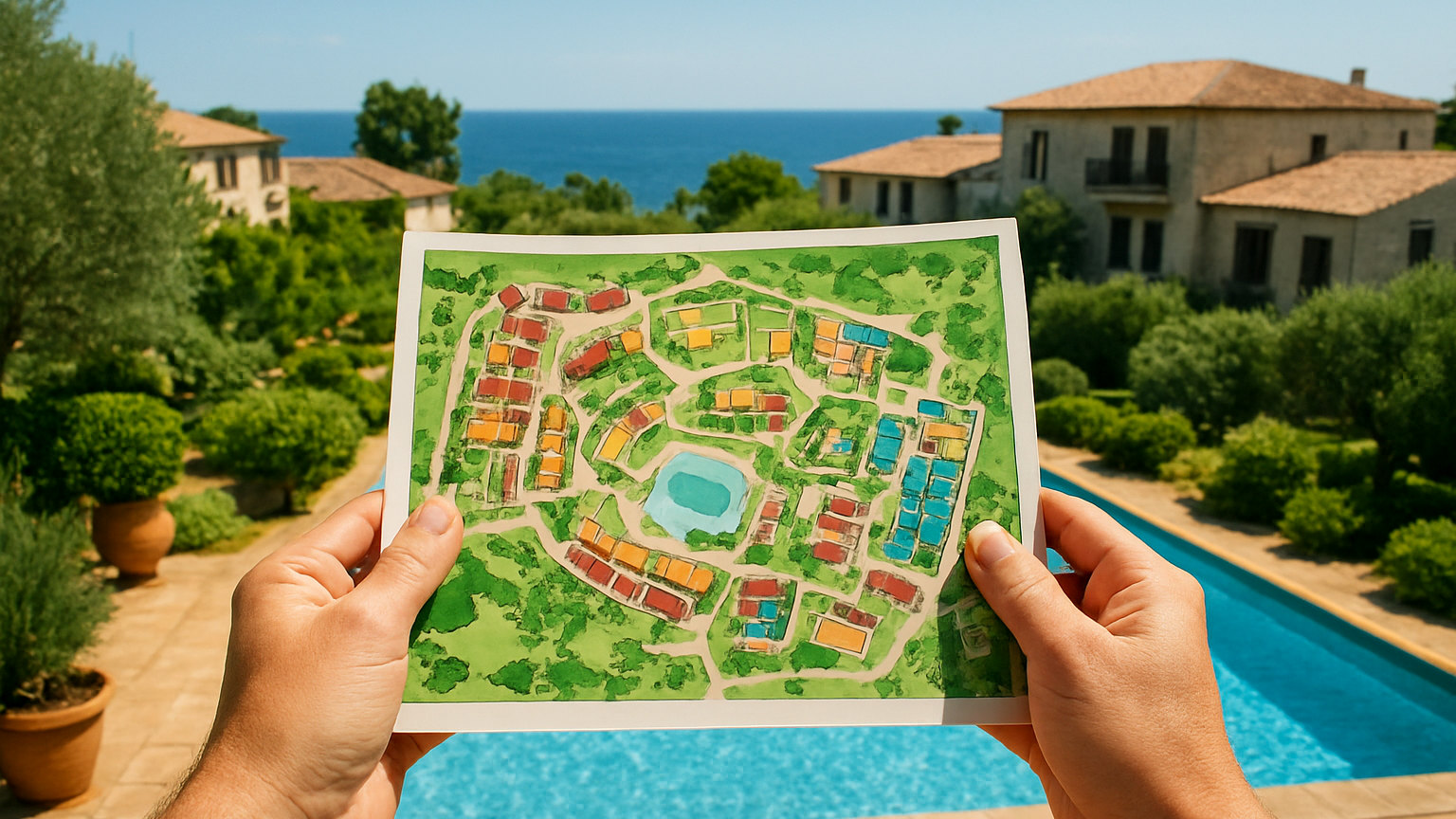
The resort site plan, which most publish, and recent reviews, where guests routinely name the blocks they preferred and the ones to avoid. Ten minutes of reading produces a specific request rather than a general one.
When should you ask?
In writing at the time of booking, and again a week before arrival, and again politely at check-in. Requests made only at the desk arrive after allocation is largely done.
Does booking direct help?
Yes, since the request reaches the property rather than sitting in a tour operator booking file. Where you have booked a package, contacting the hotel directly with the reference to add a preference is worth doing and is normal.
Does the loyalty scheme matter?
At chain resorts, considerably, since members are visible in the system and allocation reflects it. Free tiers give upgrade priority where available, which at a resort with many categories is worth more than the points.
Which aspect is best?
Depends on your habits. A west-facing balcony in the Mediterranean is unusable from midday until evening in summer and lovely at sunset. East-facing gives a cool morning and an early sun. If you sit outside in the afternoon, east or north is more comfortable.
Does arrival timing help?
Sometimes. Arriving later in the day means the resort knows what is unsold, which helps with an upgrade and hurts with a specific room that has already gone. For a request, earlier communication matters more than arrival time.
What if the room is wrong?
Raise it immediately, before unpacking, politely and with the specific reason. Resorts have inventory and will usually move you on the first afternoon if anything is free. The same request on day three is much harder.
Is it worth paying for a guaranteed position?
Where the resort sells it, frequently yes, since a paid guarantee removes the uncertainty entirely. Several properties sell a specific block or a guaranteed floor for a modest supplement, which is better value than a category upgrade.
Does the room number tell you anything?
Frequently. Resorts number by block and floor, so a room number given at booking can be located on the site plan before you arrive. Asking for the number once allocated is reasonable and lets you check the position rather than discovering it with luggage in hand.
What about connecting rooms?
More available at resorts than at small hotels, since purpose-built blocks were designed with them. They remain limited and unguaranteed, so the same rules apply: request in writing, reconfirm before arrival, and have a suite as a fallback.
Does it work with a package booking?
Yes, and it needs an extra step. Contact the hotel directly with the operator reference to add preferences, since the booking file may carry nothing beyond names and dates.
For the next step, see Which Resort Brands Operate in Europe?, or browse the full Hotels section.
The short answer
Read the site plan and recent reviews to identify the good blocks, then request one specifically in writing at booking, a week ahead and at check-in. Ask for a high floor away from the entertainment, and raise any problem on the first afternoon rather than later.