A swim-up room has a terrace opening directly onto a shared pool, so you step from your own space into water. It is among the few resort upgrades used every day rather than admired once, and it has two genuine drawbacks that rarely appear in the marketing.
What exactly are they?
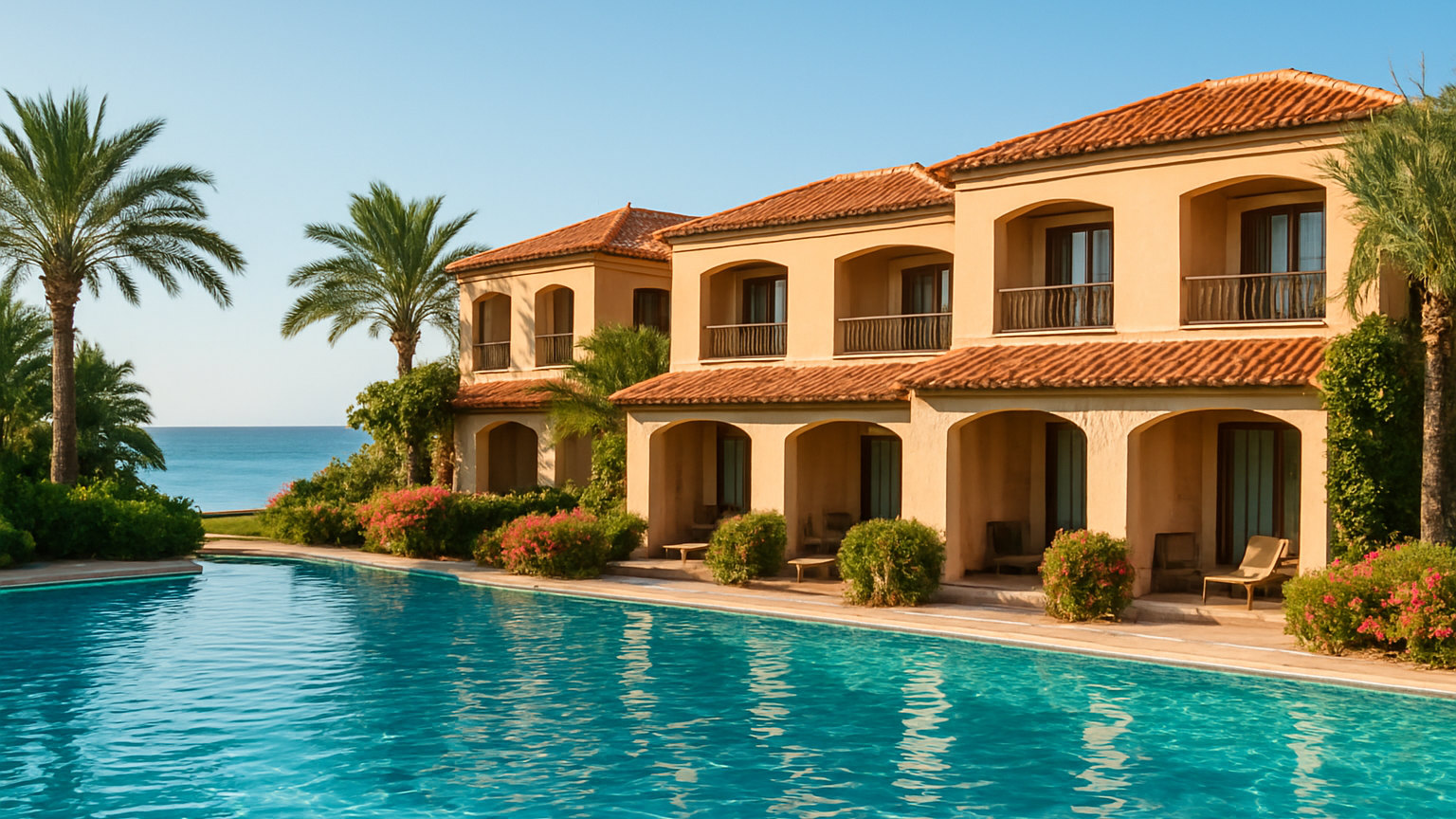
Ground floor rooms arranged around a dedicated pool, with a small private terrace and steps or a ledge into the water. The pool is shared with the other rooms on it, typically eight to twenty, rather than private. Some resorts call them swim-out rooms.
Why are they good value?
Because they add usable space and a use for it. Unlike a sea view, which is experienced for an hour a day, a swim-up terrace is used through the morning and the late afternoon, and it removes the walk to the main pool and the competition for sunbeds.
What is the first drawback?
Privacy. The pool is shared and it runs past every terrace on it, so people swim within a few feet of where you are sitting. Rooms at the end of the run are considerably more private than those in the middle, which is worth requesting.
And the second?
Light and noise. These are ground floor rooms, frequently with a screen of planting and limited direct sun, so they can be darker and cooler than upper floors. They also hear everything happening in the pool from early morning.
Are they safe with children?
This is the question to think about carefully. A room opening directly onto water with a young child is a genuine hazard, and the terrace gate or barrier varies enormously between properties. Some have none at all.
Ask specifically what separates the terrace from the water before booking with a toddler, and treat continuous supervision as unavoidable rather than optional.
Who do they suit best?
Couples, and families with children who swim confidently. For a couple the combination of privacy from the main resort and immediate water is exactly what the upgrade should deliver.
How much do they cost?
Usually a moderate premium over a standard room and frequently less than a sea view or a suite, which makes them among the better value upgrades on a resort price list. Availability is limited, so they go early in peak weeks.
Is the pool heated?
Sometimes and not always, and swim-up pools are frequently shaded by the buildings around them, which keeps them cooler than the main pool. In shoulder season this matters, so ask whether the specific pool is heated.
What are the alternatives?
A room with a private plunge pool, which is a different and more expensive category with real privacy. A large terrace or balcony without water, which costs less and delivers most of the space benefit. Or a room near the main pool with a good balcony.
What should you request?
A position at the end of the pool run rather than the middle, for privacy, and a corner if available. Ask whether the terrace has a gate. Both requests are routine and free.
Are they available for families?
Yes, and many resorts offer swim-up family rooms with two bedrooms or a separate sleeping area. These are among the most sought-after rooms in any property and go months ahead for the school holidays, so booking early matters more than for a standard room.
What about cleaning and maintenance?
Shared swim-up pools are cleaned early, which means noise from six or seven in the morning immediately outside your terrace. It is brief and it is worth knowing about if you intended to sleep late.
How far ahead should you book one?
Earlier than a standard room, since resorts hold relatively few and they are the first category to sell in peak weeks. For school holidays, booking several months ahead is normal, and late availability rarely includes them.
What Are the Resort Beach Arrangements? goes into more detail on a closely related question, and the rest of our Hotels section covers the wider subject.
The short answer
Among the best value resort upgrades because the space is used daily, with shared rather than private water. Request an end position for privacy, expect a darker ground floor room, and check what separates the terrace from the pool before booking with a young child.