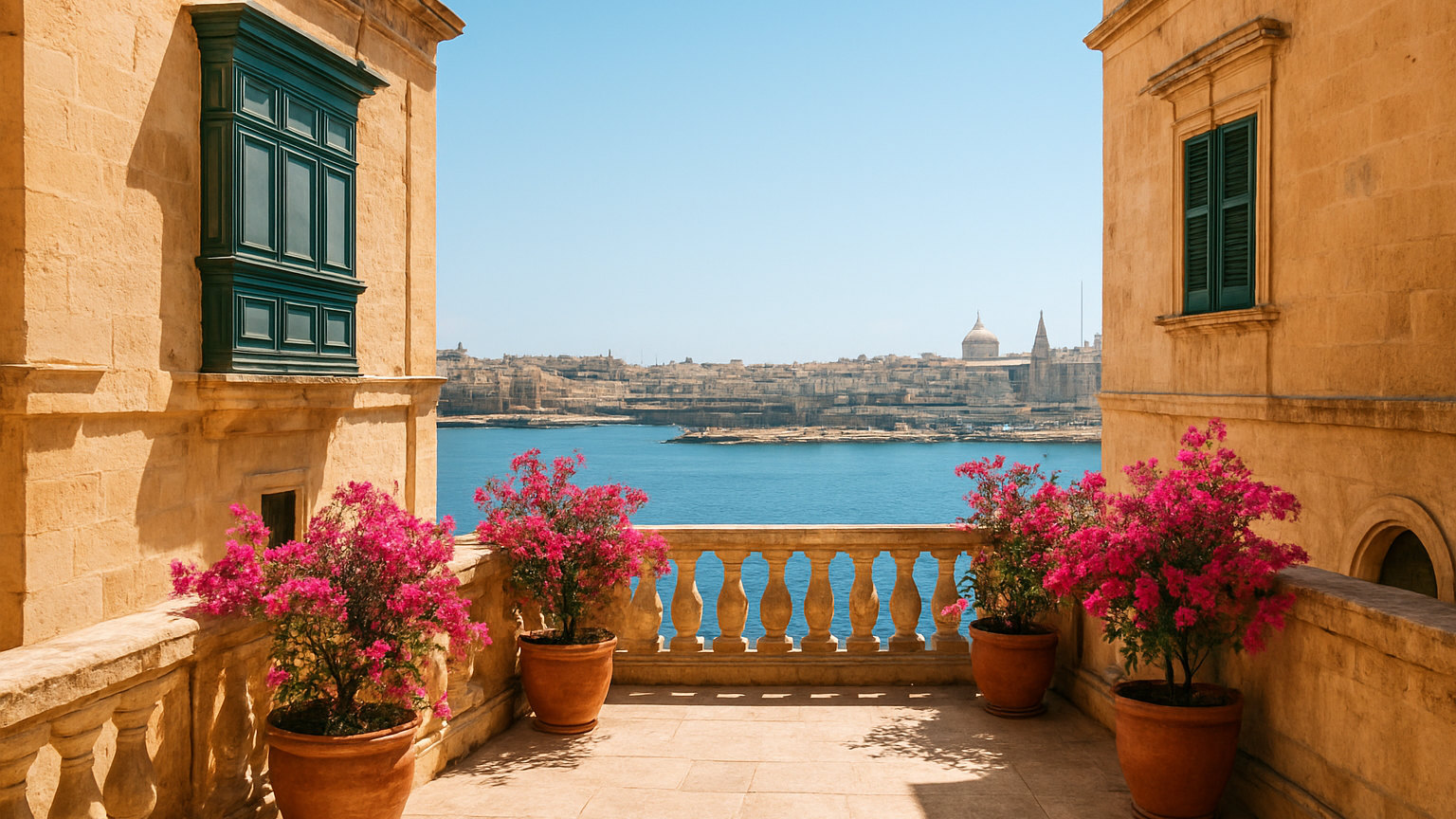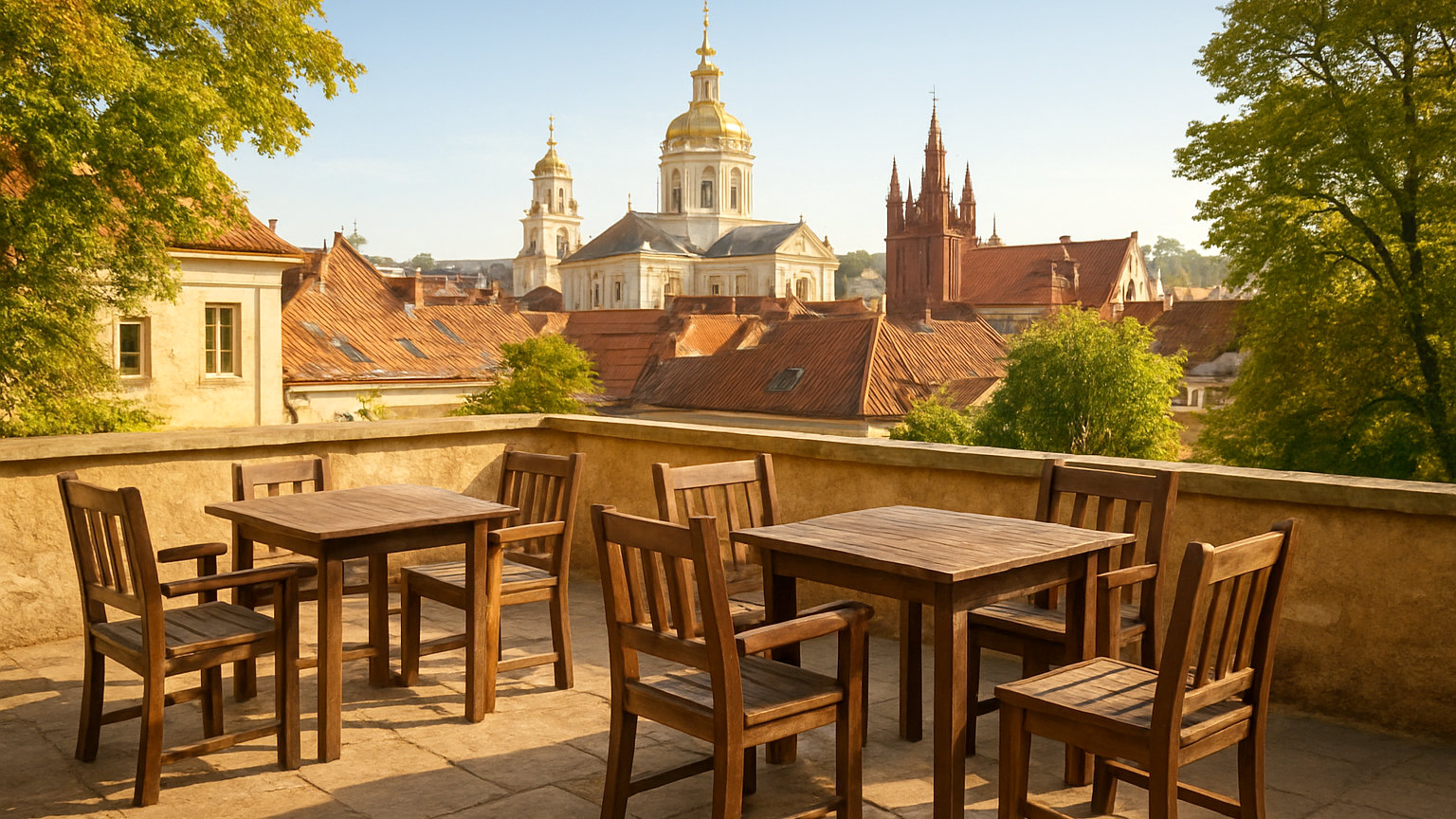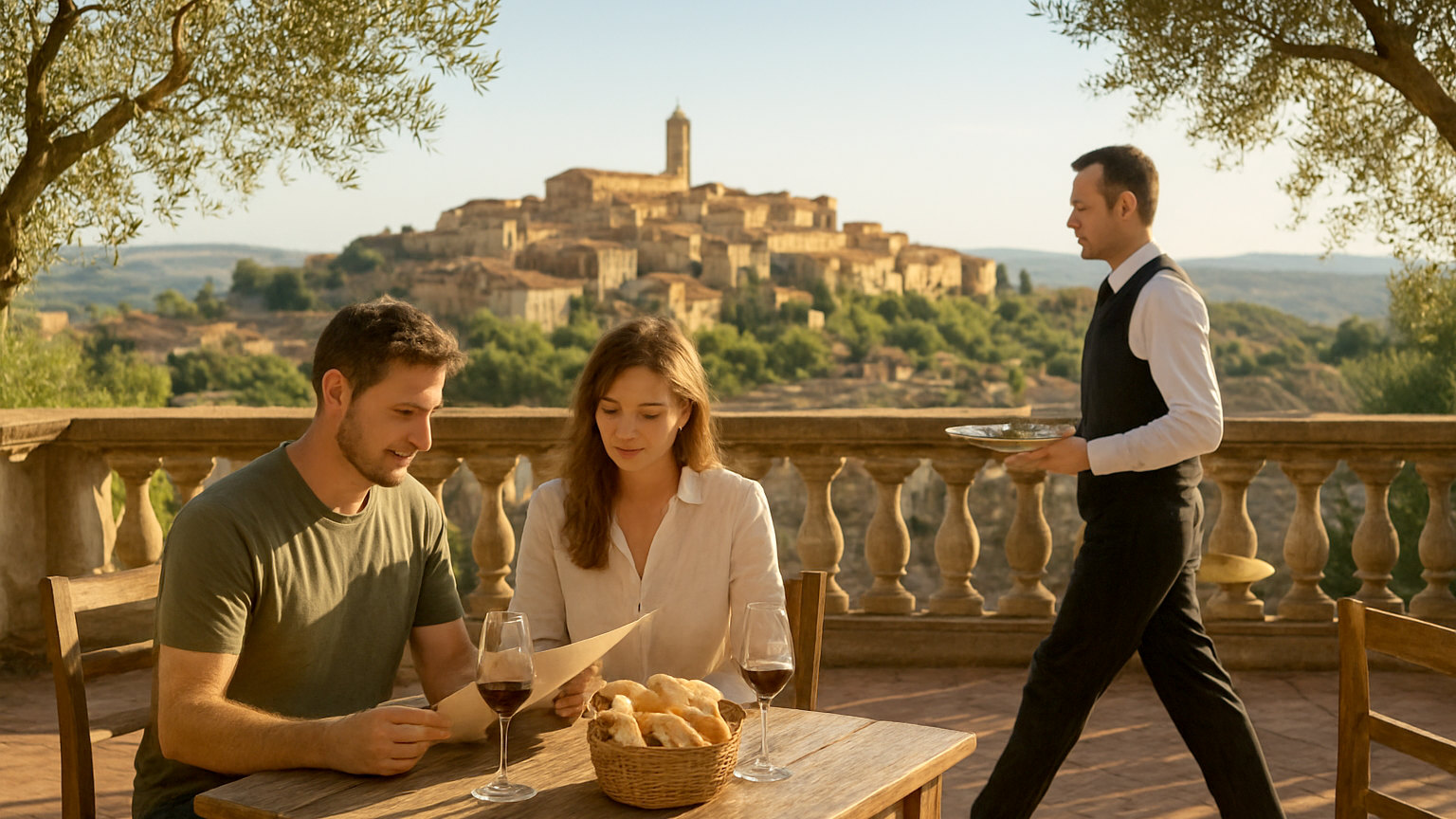
The hotel restaurant used to be a captive-audience proposition and at the top end it no longer is. Several of the best restaurants in Europe are inside hotels, and several of the worst value meals are too. The distinguishing factor is usually whether there is an alternative nearby.
When are they genuinely good?
At the upper end, where hotel restaurants compete for outside custom and are frequently run as separate businesses with their own reputation. A significant number of European Michelin-starred restaurants are in hotels, and they trade on the food rather than the guests.
When are they poor value?
In the middle of the market in a city, where the restaurant exists because the hotel felt it should have one. These are priced above equivalent independents, cook a broad safe menu and rely on guests who cannot be bothered to go out. In a city they are almost always the wrong choice.
When is it the right choice?
When there is nothing else within reach, which describes rural hotels, mountain properties, islands and isolated resorts. In those cases a good hotel restaurant is a genuine asset and worth checking before booking the room.
Also on an arrival evening, when everyone is tired and going out is more effort than it is worth.
How do you judge one before booking?
Whether it has its own reviews from non-residents, which is the strongest signal. A restaurant reviewed by locals is a restaurant; one reviewed only by hotel guests is a canteen. Check whether it has a separate name and its own website.
What about half board?
Sensible at isolated properties and in the mountains, where it is usually good value and there is no alternative. Poor value in cities and in countries where eating out is cheap and enjoyable, which includes Spain, Italy, Portugal and Greece.
Is room service worth it?
Expensive almost everywhere, with a tray charge added to already high prices, and the food suffers from the journey. It is worth it for convenience on an arrival night or with a sleeping child, and rarely for the food itself.
What about the bar?
Frequently better value than the restaurant and a better experience, particularly at grand hotels where the bar is an institution. Bar menus are usually shorter, cheaper and cooked from the same kitchen.
Do you need to be a guest?
Almost never. Hotel restaurants and bars take outside bookings and frequently depend on them. This works both ways: a remarkable hotel you cannot afford to stay in will usually sell you dinner.
What about breakfast?
A separate question with a different answer. Hotel breakfast is poor value in southern Europe and genuinely good in Germany, Austria and the Nordics, where the tradition is substantial and the alternatives are expensive.
How do you avoid the bad ones?
Walk ten minutes. In any European city the price and quality gradient away from a hotel lobby is steep, and a restaurant full of residents rather than guests is almost always better and cheaper.
What about the wine list?
A reliable indicator. A hotel restaurant with a thoughtful list of local producers is taking the food seriously; one offering a short international selection at high prices is not. In wine regions specifically the list tells you whether the kitchen has any connection to where it is.
Should you book ahead?
At good hotel restaurants, yes, and residents do not automatically get a table. If the restaurant is part of why you chose the hotel, book it when you book the room rather than assuming.
What about dietary requirements?
Handled better by hotel restaurants than by most independents, since they cook for a captive audience with varied needs and expect notice. Telling them at booking rather than on the night produces a proper alternative rather than a plate of vegetables, and allergen information is required across the European Union.
For the next step, see What Do Hotel Loyalty Schemes Actually Give You?, or browse the full Hotels section.
The short answer
Excellent at the top end, poor value in the middle of a city, and essential at isolated properties. Judge one by whether it has reviews from non-residents, take half board only where there is no alternative, and remember you can eat in a great hotel without staying in it.