Expense and luxury are different things. A hotel can charge a great deal because of its location, its name or its market position while delivering very little, and another can deliver a genuinely luxurious experience at a fraction of the price. The difference shows in specific, checkable details.
What signals mislead?
Marble, chandeliers and a large lobby, which are cheap to install relative to their effect and tell you nothing about the stay. Elaborate uniforms. A long list of facilities. Branded toiletries. These are all visible and none of them requires ongoing investment.
What actually indicates quality?
Staff numbers, which are the largest ongoing cost and the hardest thing to fake. A hotel where someone is available when you need them, where requests are handled immediately and where the same person recognises you on the second day, is spending money in the place that matters.
What details are worth noticing?
Whether the curtains actually black out. Whether there are enough sockets and whether they are beside the bed. Water pressure. Whether the bathroom light has a separate switch. Whether the minibar is free. Whether the wifi works in the room rather than the lobby.
These cost money and are invisible in photographs, which is why they separate genuine quality from presentation.
What about the bed?
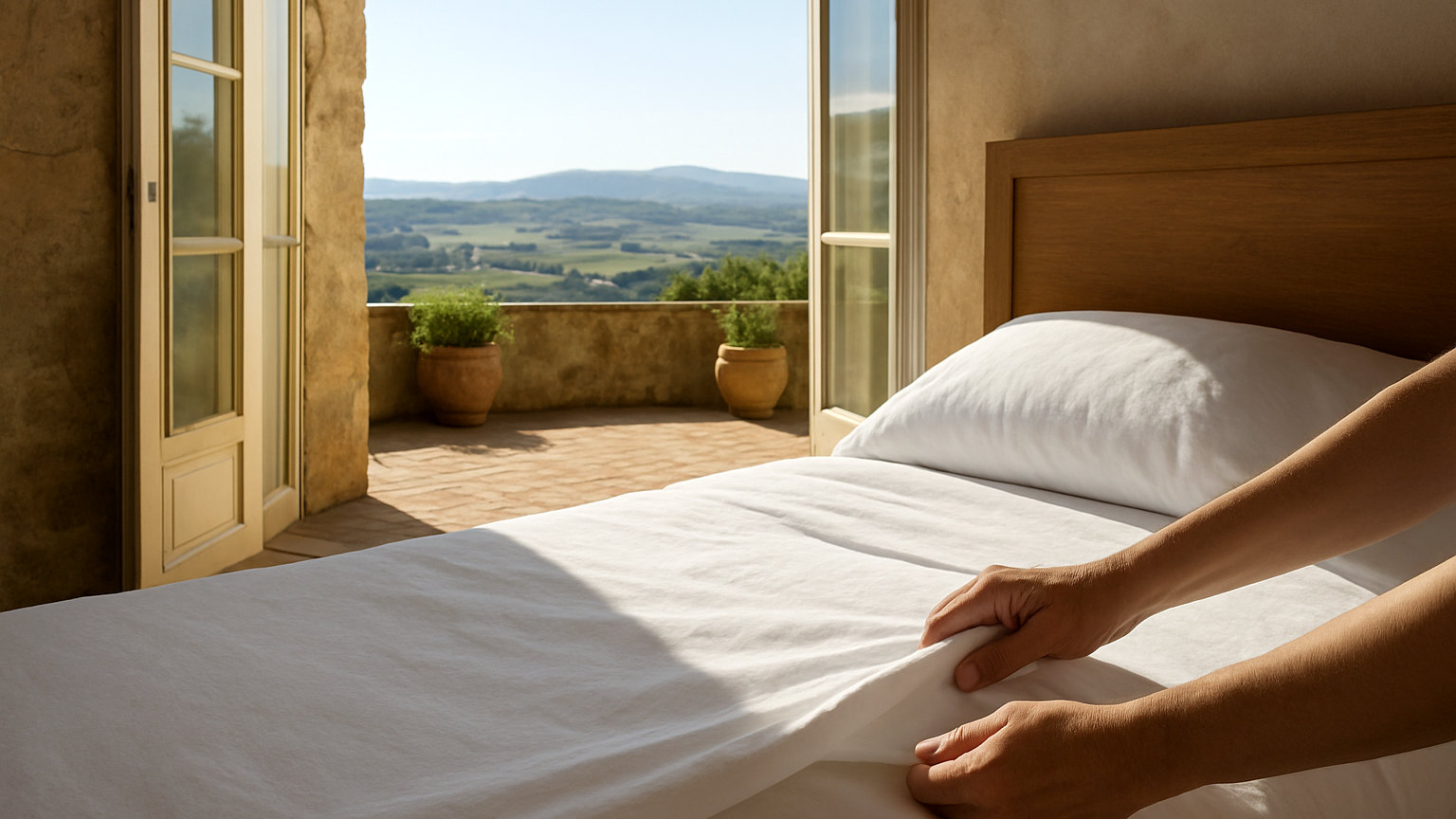
The single largest indicator. Good hotels invest in mattresses and linen because it determines whether guests sleep, and it is expensive and replaced regularly. Reviews mentioning the bed positively are a strong signal.
How does service reveal it?
By what happens when something goes wrong. Any hotel is pleasant when everything works. A genuinely good one resolves a problem quickly, without escalation and without making the guest feel difficult. A merely expensive one refers you elsewhere.
What about the small free things?
Water in the room without charge, decent coffee, a pressing service for one item, a taxi ordered without fuss. Charging for small things at a high price point indicates a property optimising revenue rather than experience, and it is a reliable signal.
Does the price tell you anything?
About location and space, reliably. About service and atmosphere, poorly. The weakest correlation is in the upper middle of the market, where hotels charge luxury prices without luxury cost structures.
Where do you find luxury cheaply?
Southern and eastern Europe, where labour costs allow high staff ratios at moderate prices. A hotel in Lisbon, Budapest or Athens can deliver service that would cost several times as much in Switzerland, which is the single biggest arbitrage available.
What about small independents?
Frequently more luxurious than large expensive hotels, because a twelve-room property can know every guest. The absence of a spa and three restaurants is not a lack of luxury if the things you use are excellent.
How do you check before booking?
Read reviews for staff named individually, for mentions of problems being solved, and for comments on the bed and the sleep. Ignore reviews praising the lobby. Look at guest photographs of the actual room rather than the listing images.
What does the check-in tell you?
A great deal, and it is the first thing you experience. Whether someone looks up, whether the room is ready as promised, whether they explain anything useful about the hotel or the area, and whether they ask about your journey. A brisk transactional check-in usually predicts the rest of the stay.
Are awards worth anything?
Variable. Some hotel awards are genuinely independently judged and others are effectively paid listings or popularity votes. A property displaying many unfamiliar awards is usually signalling rather than demonstrating.
Does the hotel own its building?
Worth knowing, since many operate under management contracts and the brand on the door is not the owner. A property that has recently changed operator can differ sharply from its reputation in either direction, which is why recent reviews matter more than the name.
Anyone weighing this up will also want What Should You Know About Tipping in Hotels?, along with the rest of the Hotels section.
The short answer
Luxury is staff numbers, a good bed and details that cost money and do not photograph. Expense is marble, facilities and a name. Read reviews for staff mentioned by name and for problems resolved, and look to southern and eastern Europe where the same service costs far less.