The decision to spend more on a hotel is usually framed as whether you can afford it. The better question is whether you will use it, and the answer follows from the shape of the trip rather than the size of the budget.
What is the test?
How many waking hours you will spend in the hotel. A city break where you leave at eight and return at eleven uses a hotel for sleep, and a better room is a better place to be unconscious. A resort, a spa or a remote property is used all day, and the difference is felt continuously.
When does it clearly pay?
At resorts and in the mountains, where the hotel is the destination. On a special occasion, where the hotel is part of the point. In bad weather or in winter, when you will be indoors. And on a long stay, where small improvements compound across a fortnight.
When does it not?
On a sightseeing city break. On a touring holiday with a different hotel each night. On any trip where the same money buys two extra nights, which almost always delivers more than a better room for the same total.
What should you spend it on?
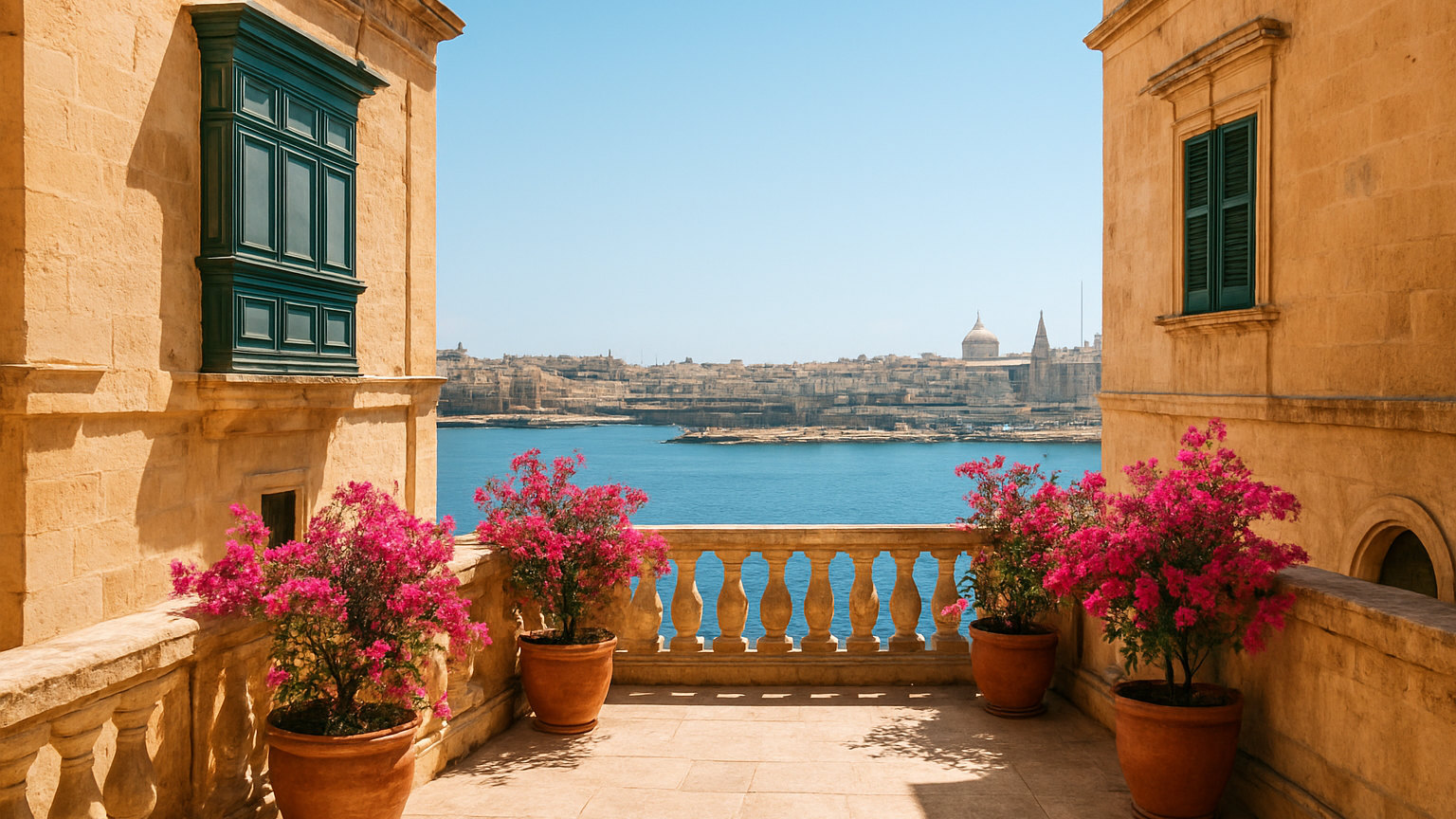
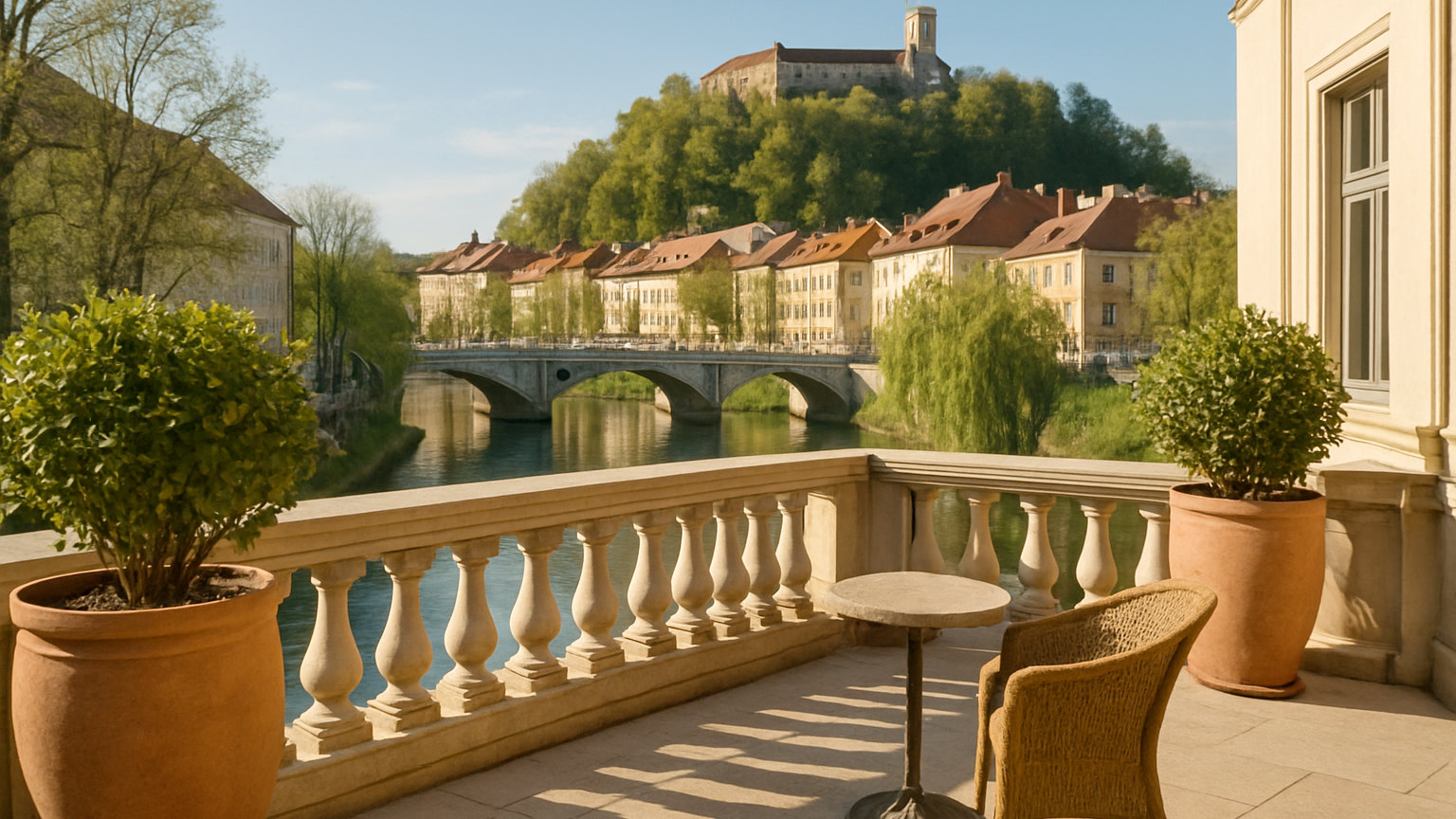
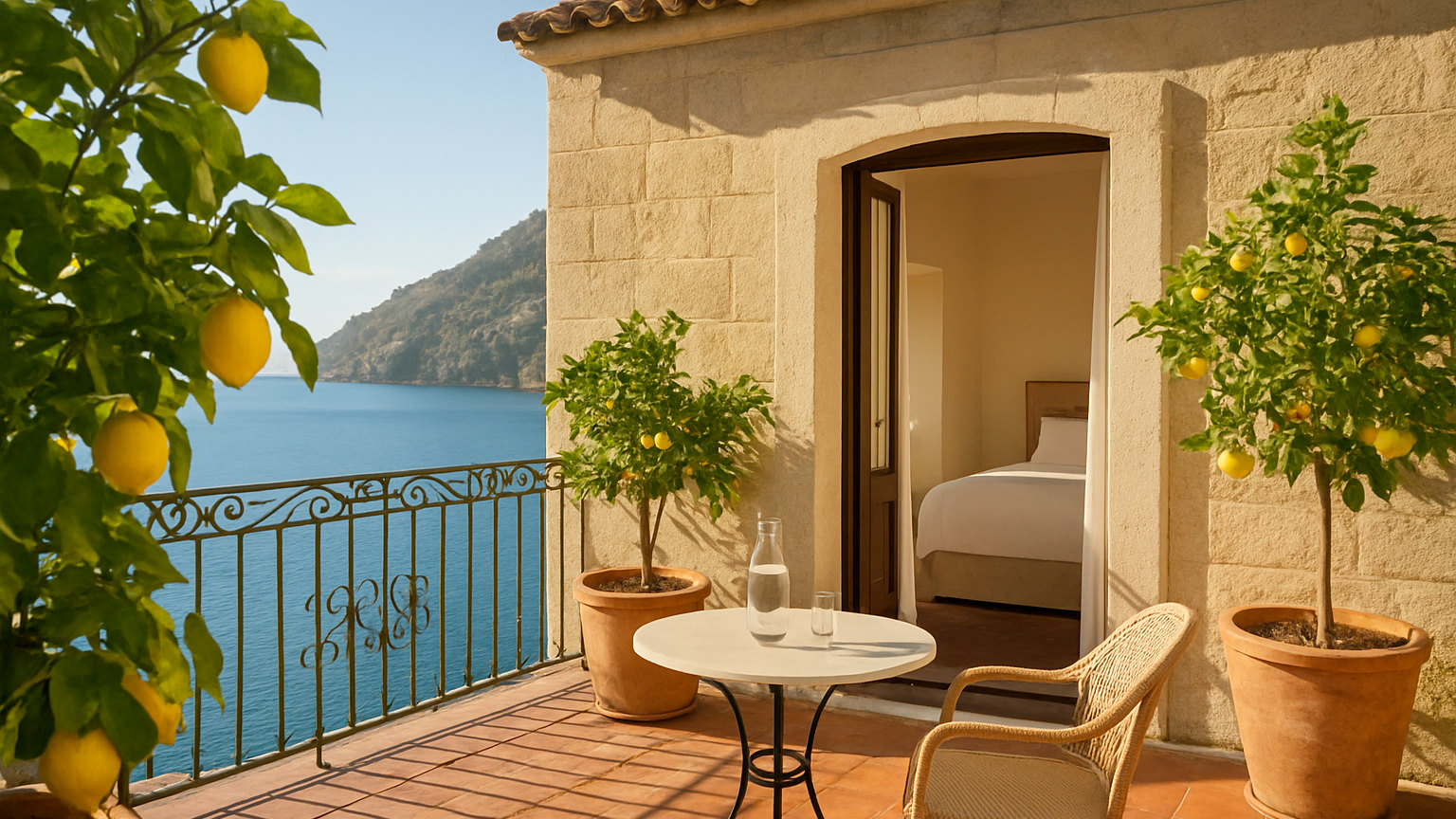
Location first on a short trip, since it is used all day and cannot be changed. Then quiet, which determines whether you sleep. Then usable space, meaning a terrace, a balcony or somewhere to sit that is not the bed. Size, bathrooms and views come last.
Is an extra night better than a better room?
Usually, on a trip of three or four nights, because the marginal day adds a whole day and a better room adds a marginally nicer evening. On a longer trip the calculation reverses, since the days are already there.
Where does the money go furthest?
Southern and eastern Europe, where the top end is a fraction of the western price. A genuinely excellent hotel in Lisbon, Budapest, Krakow or Athens costs what a mid-range room does in Zurich or Copenhagen, which makes those the places to splurge.
Does the season change it?
Considerably. Top-end city hotels discount heavily out of season, and a five star in November can cost what a three star does in May. If you want to stay somewhere good, the month matters more than the budget.
What about the first and last night?
A reasonable compromise on a longer trip: a good hotel for the first night after a long journey and the last before an early flight, with cheaper accommodation in between. The nights where you are most tired are the ones where comfort is most used.
Is it worth it for a view?
Only where the view is genuinely the destination, such as the Matterhorn, a Santorini caldera or an Amalfi cliff. Elsewhere you will be out during the day and asleep at night, and a view is a small pleasure at a large premium.
What is the commonest mistake?
Paying for facilities that will not be used. A gym, three restaurants, a spa and a business centre are priced into the room whether or not you visit them, which is how the upper end becomes poor value on a sightseeing trip.
What about splitting the budget?
Frequently the best answer on a longer trip. A fortnight with ten nights in a good mid-range property and four in something excellent delivers more than fourteen nights of uniform mid-range, because the contrast is part of the pleasure and the expensive nights are used deliberately.
Does it matter who you are travelling with?
Considerably. Couples use hotels more than solo sightseers, who are out all day, and families use them most of all, since children need downtime and early evenings. The more time the group spends in the building, the stronger the case for spending on it.
See also Which Are the Best Hotels With a View?, which covers a related part of the same decision, and our other Hotels guides.
The short answer
Splurge when you will be in the hotel: resorts, mountains, winter, occasions and long stays. Spend on location and quiet rather than size and views, take an extra night instead on a short trip, and note that the money goes twice as far in southern and eastern Europe.