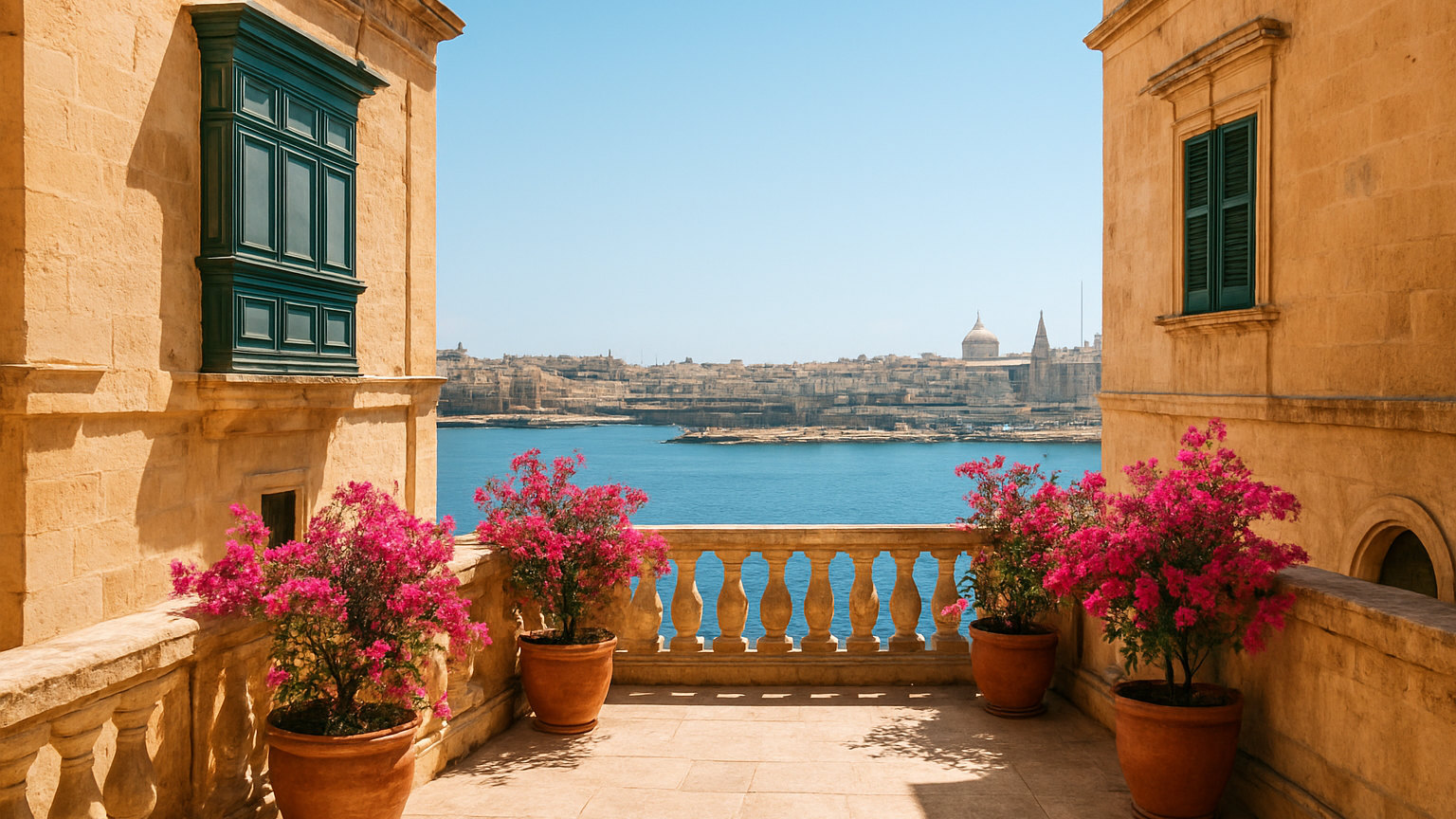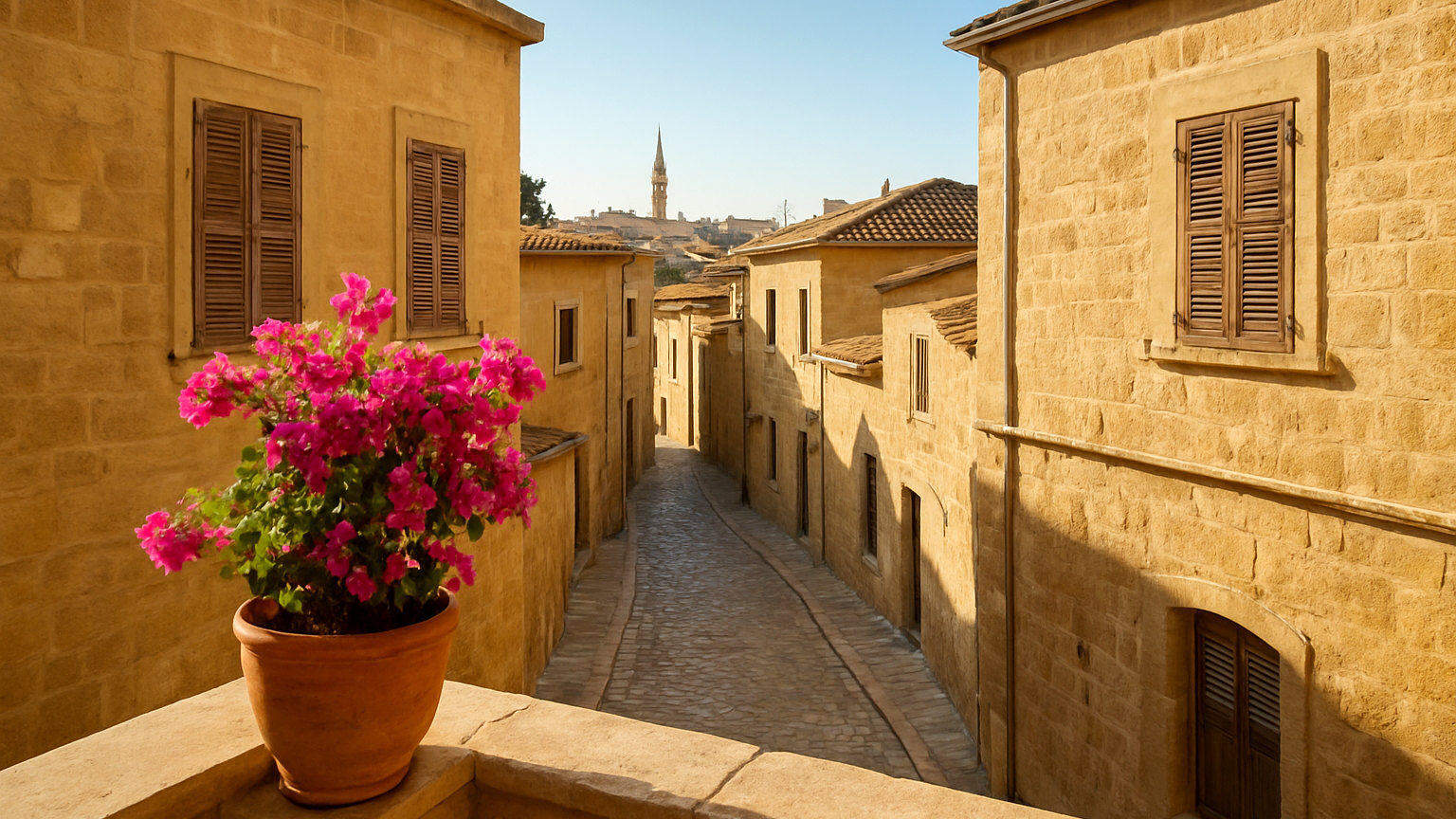
Nicosia is divided by a United Nations buffer zone, with the southern part administered by the Republic of Cyprus and the northern part under Turkish Cypriot administration. For a visitor the practical questions are which side to stay on and how crossing works.
How does the division work in practice?
A buffer zone runs through the middle of the old walled city, with designated crossing points where visitors present a passport. The Ledra Street crossing in the pedestrianised heart of the old town is the one most people use.
Arrangements can change, so check current government travel advice and the position on crossings before travelling.
Which side has more accommodation?
The south, which has the larger hotel stock and the greater range, particularly in the modern city outside the walls. The north has fewer options concentrated near the old town.
Where should you stay in the south?
Inside or immediately around the Venetian walls, near Laiki Geitonia and Ledra Street, which puts the museums, the old town and the crossing within a short walk. The modern centre around Makarios Avenue is also convenient and less atmospheric.
What is worth seeing on each side?
In the south, the Cyprus Museum, the Archbishop Makarios cultural centre and the Venetian walls. In the north, the Selimiye Mosque, a gothic cathedral converted after fifteen seventy, and the Buyuk Han caravanserai, which is the finest Ottoman building in Cyprus.
Can you cross easily?
Visitors generally cross on foot at the designated points with a passport, and many do so in both directions in a day. Rules on vehicles, insurance and what may be carried across differ from those for people and should be checked in advance.
What about currency?
The euro in the south and the Turkish lira in the north, with euros frequently accepted there at a poor rate. Carrying some of each if you intend to spend time on both sides is sensible.
What about car hire?
Taking a hire car across is subject to specific insurance requirements and some companies prohibit it entirely. Check the hire agreement before assuming, since insurance arranged in the south may not extend north.
How long do you need?
One or two nights. Nicosia is inland and is generally visited as a day or overnight trip from the coast rather than as a main base, since most visitors to Cyprus are there for the sea.
When should you go?
Spring and autumn. Nicosia is inland with no sea breeze and is the hottest place in Cyprus in summer, regularly exceeding forty degrees, which makes walking the old town difficult.
Is it worth staying overnight?
Yes if the divided city interests you, since the old town on both sides is quiet and atmospheric in the evening once the day visitors have gone.
What is the accommodation actually like?
Modest in scale on both sides, with boutique conversions inside the walls in the south and small hotels near the old town in the north. Nicosia has nothing like the resort hotel stock of the Cypriot coast, since it serves business and government rather than tourism.
Where do most visitors actually base themselves?
On the coast, at Paphos, Limassol, Larnaca or Ayia Napa, and visit Nicosia for a day. That is the standard pattern, and staying in the capital is the choice of people specifically interested in the city and the division rather than the beaches.
What should you carry when crossing?
A passport, which is checked in both directions, and a note of what your travel insurance covers, since policies vary on the north. Restrictions apply to goods carried across and change periodically.
Where Is the Best Area to Stay in Warsaw? answers a related question in more depth, and there is more of the same across our Hotels guides.
The short answer
The south has the larger hotel stock, and staying near the Venetian walls puts you minutes from the Ledra Street crossing. Cross on foot with a passport, carry both currencies, check hire car insurance before taking a vehicle across, and avoid the inland summer heat.