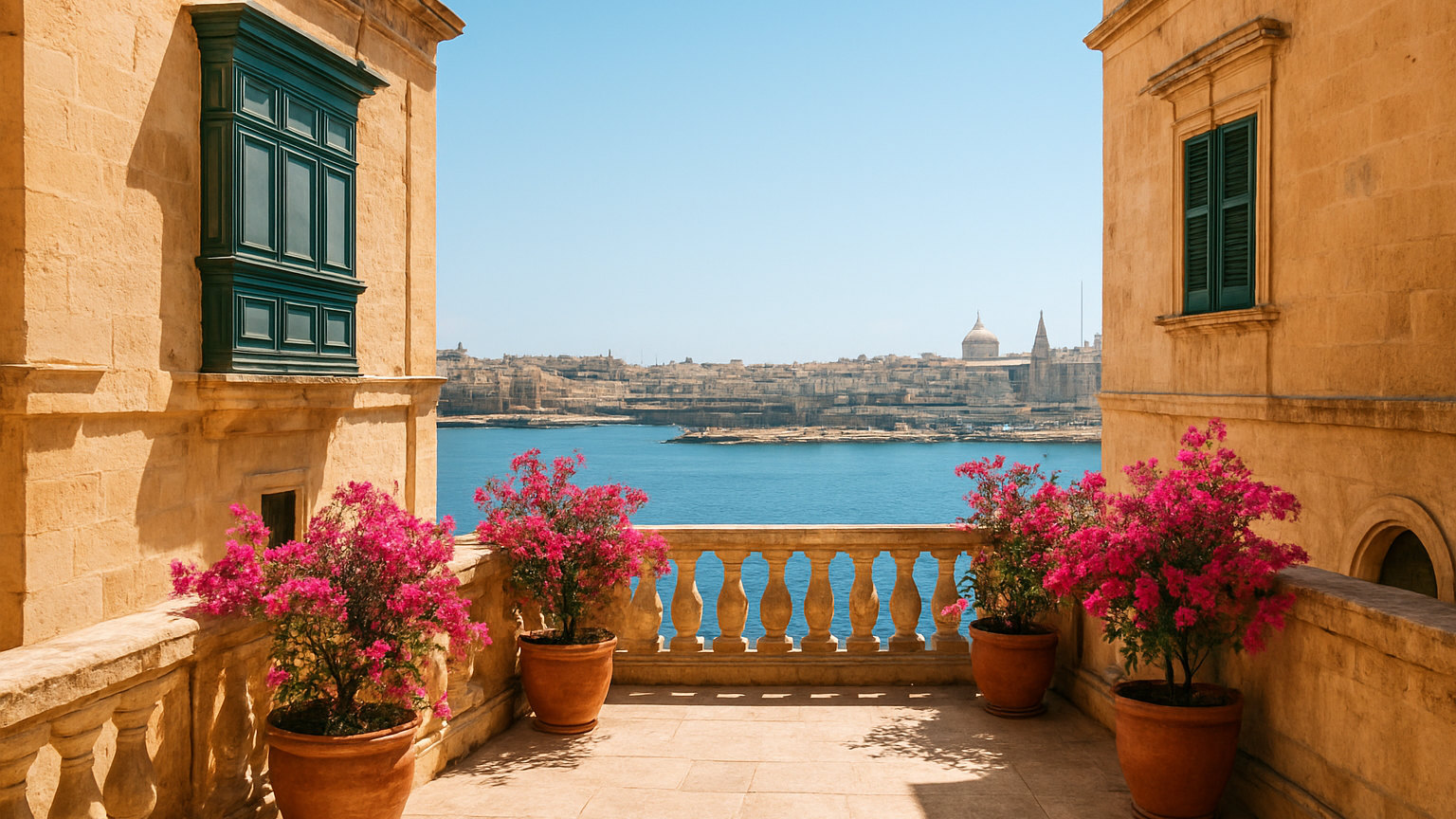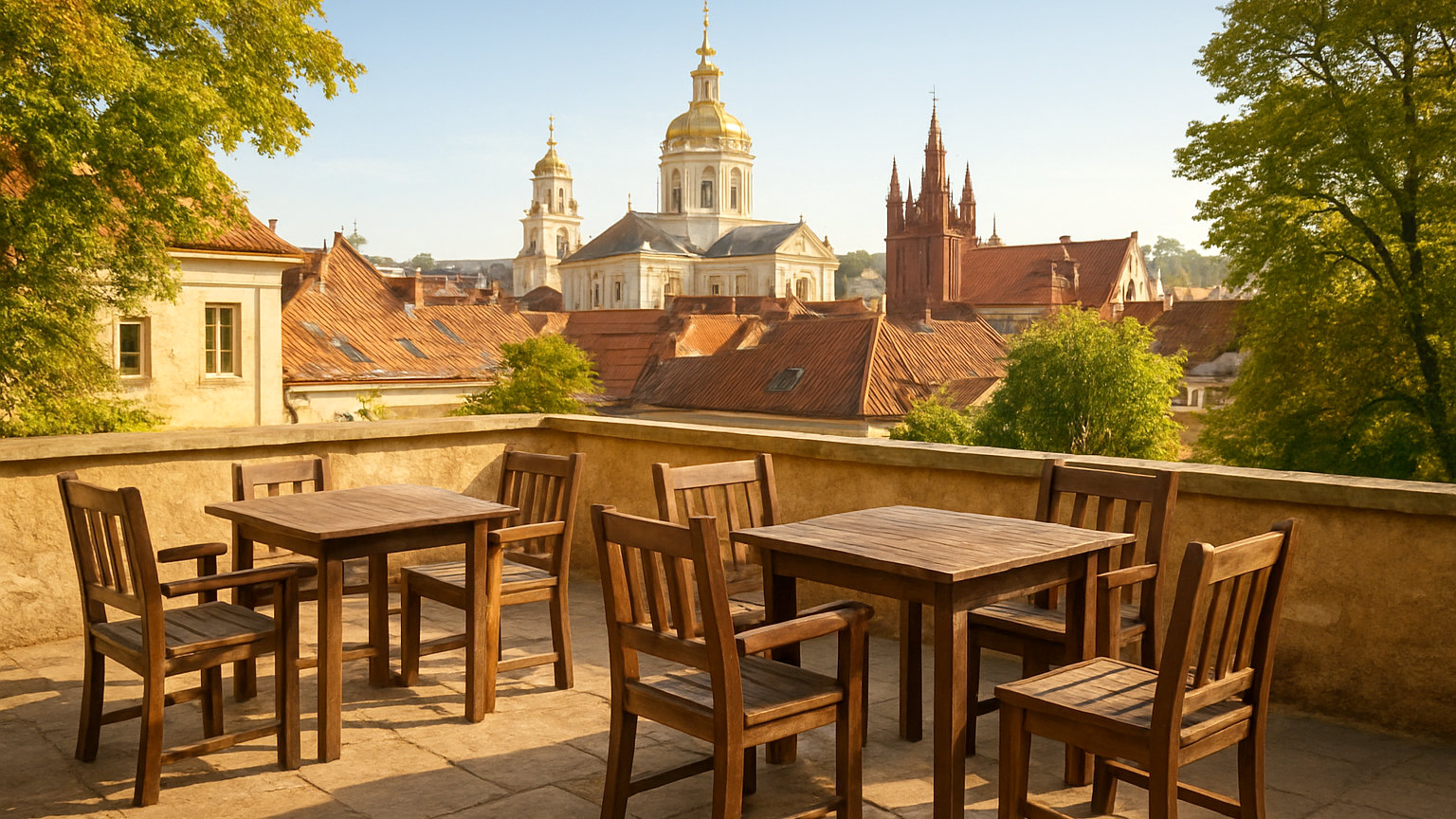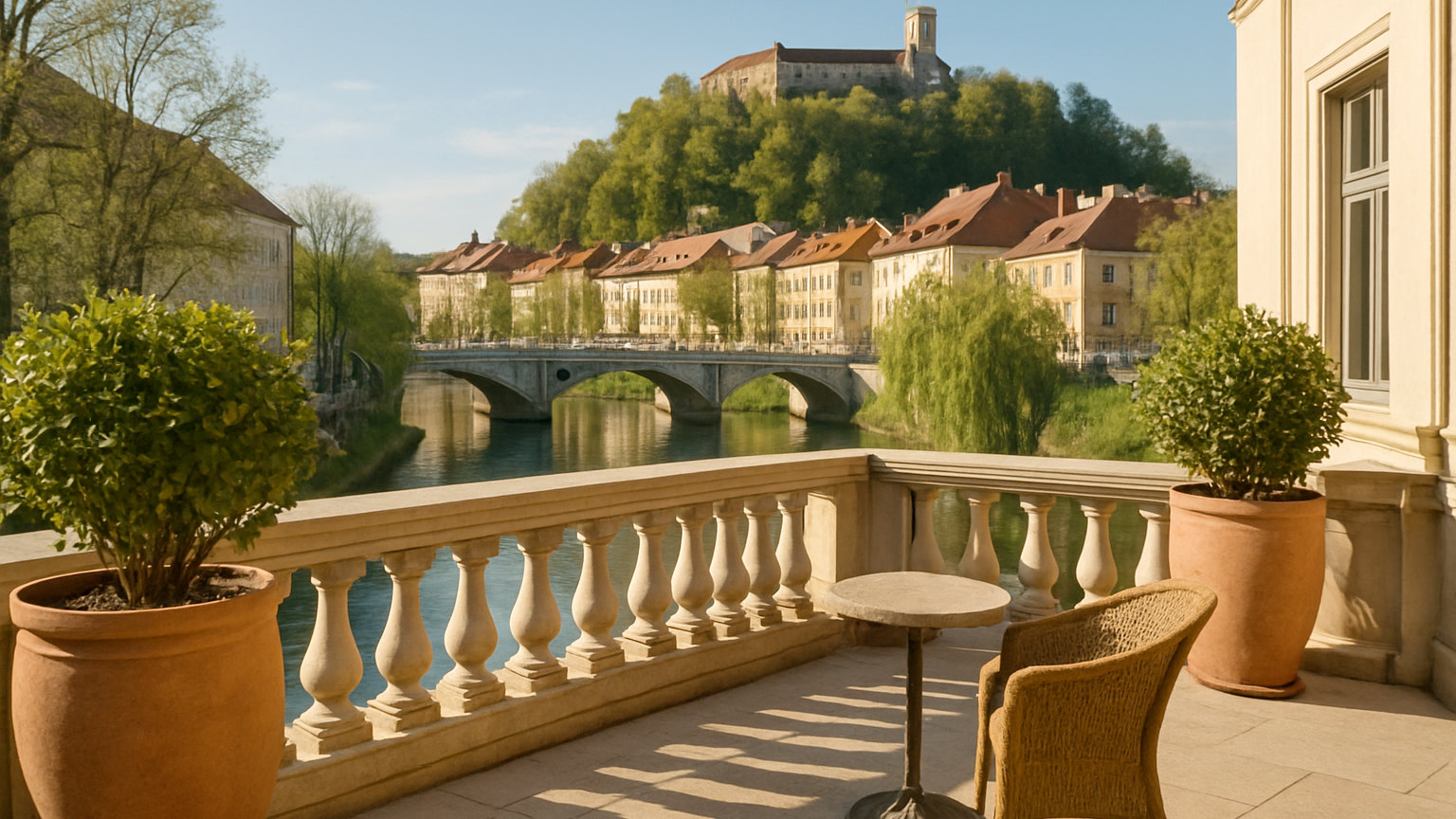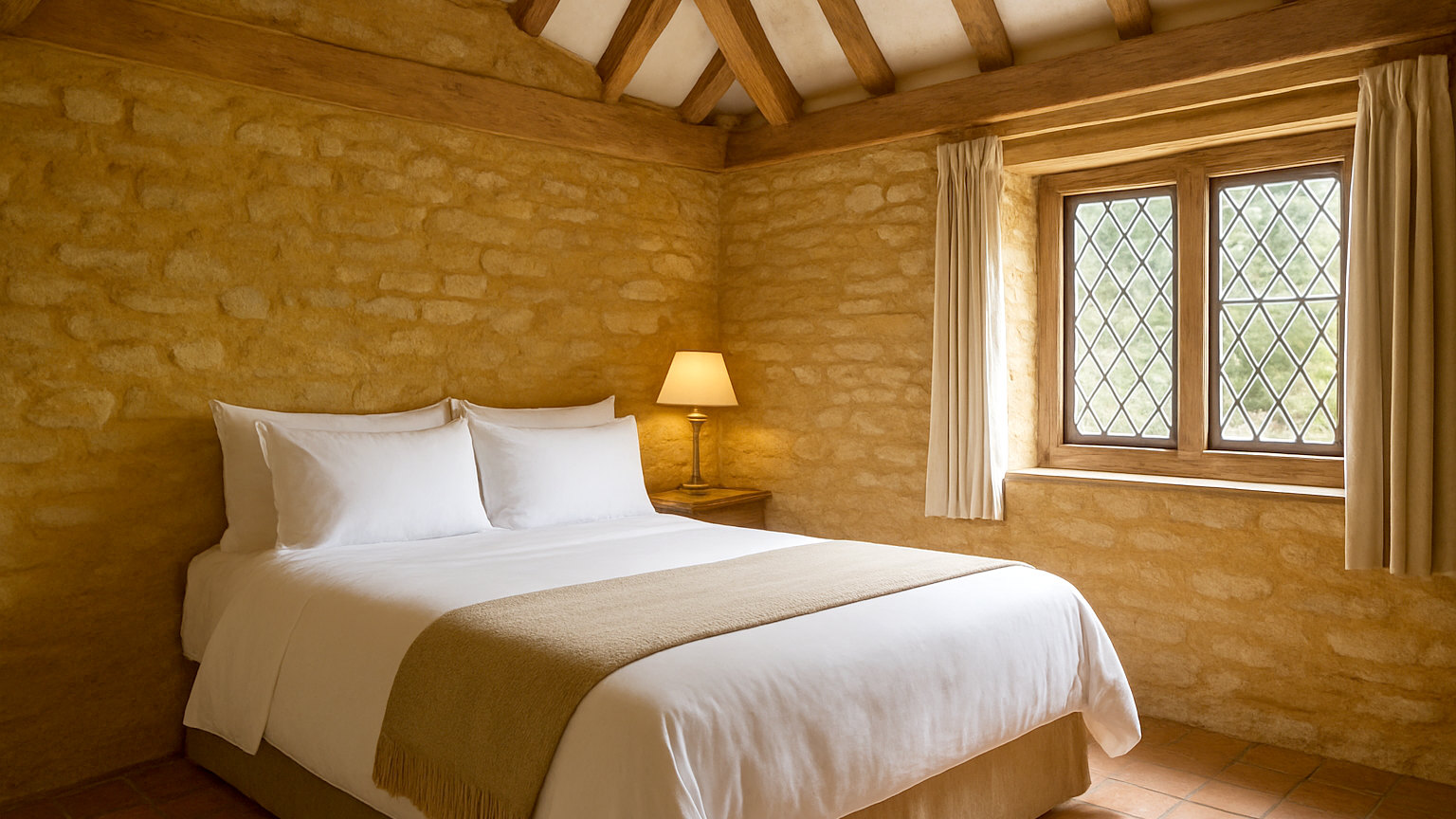
A large proportion of European small hotels occupy buildings that were something else first, which is where their character comes from. It is also where their problems come from, because a building designed as a convent or a warehouse was not designed to be slept in by paying guests.
What gets converted?
Townhouses and merchant houses, which are the most common. Palazzi in Italy. Convents and monasteries across Catholic Europe. Farmhouses, masserie and mills in the countryside. Industrial buildings in Berlin, Rotterdam and the Ruhr. Occasionally prisons, water towers and lighthouses.
What do they give you?
Rooms that are all different, ceilings and proportions no modern hotel would build, and a connection to the place that a purpose-built property cannot manufacture. In a good conversion the building is the reason to be there.
What are the compromises?
Predictable ones. Frequently no lift, since installing one in a protected building is difficult or prohibited. Irregular room shapes and sizes. Soundproofing limited by thick walls and thin floors. Air conditioning retrofitted or absent. Bathrooms fitted into whatever space existed.
How much do rooms vary?
Enormously, and more than at any other kind of property. The same category can include a room with a vaulted ceiling and a courtyard view and one carved out of a corridor with a window onto a lightwell. Room allocation matters more here than anywhere.
This is the strongest reason to book direct and ask which room you are getting.
What about noise?
The commonest complaint. Wooden floors carry footsteps, old windows carry the street, and narrow old town lanes amplify everything. Courtyard-facing rooms are usually the quiet ones and are frequently the cheapest because they have no view.
Which conversions work best?
Those where the original use suited long stays: monasteries and convents had cells, corridors and courtyards, which translate almost directly into hotel rooms. Industrial buildings work because the volumes are generous. Townhouses work least well, since the rooms were never uniform.
Are they expensive?
Variable and frequently not. Monastery guest accommodation across Italy, Spain and France is genuinely cheap. Spanish paradores and Portuguese pousadas occupy castles and convents at mid-range prices. Palazzo conversions in Venice and Florence are at the other end entirely.
What should you check?
Whether there is a lift and how many floors. Which room you are getting and what it looks onto. Whether there is air conditioning and in which rooms. And recent reviews for noise, since photographs never show it.
Do they suit everyone?
No. Anyone with mobility limits should check access carefully, since stairs, uneven floors and thresholds are common and lifts are not. Families find the room sizes and the absence of lifts awkward. Light sleepers should ask about the quietest room.
Is the character worth the compromise?
For most travellers on a stay of a few nights, comfortably. The things you give up are practical and the thing you gain is the reason people remember a hotel at all.
Are they accessible?
Frequently not, and this deserves specific attention rather than an assumption. Listed status restricts lifts, ramps and door widths, and many conversions have steps between levels within the same floor. Anyone with mobility requirements should ask precisely rather than relying on a listing category.
What about heating in winter?
Stone buildings hold cold, and heating retrofitted into a protected structure is sometimes inadequate. A monastery conversion in January can be genuinely cool, which is worth asking about if you are travelling in winter.
Which conversions are the best value?
Monastery and convent guest accommodation, which is genuinely cheap and often in extraordinary buildings, and the Spanish parador and Portuguese pousada networks, which occupy castles and cloisters at mid-range prices rather than luxury ones.
Which Countries Do Boutique Hotels Best? answers a related question in more depth, and there is more of the same across our Hotels guides.
The short answer
Worth it for the character, with predictable compromises: no lift, variable rooms, limited soundproofing and retrofitted cooling. Book direct and ask which room you are getting, take a courtyard-facing room for quiet, and check access carefully if stairs are a problem.