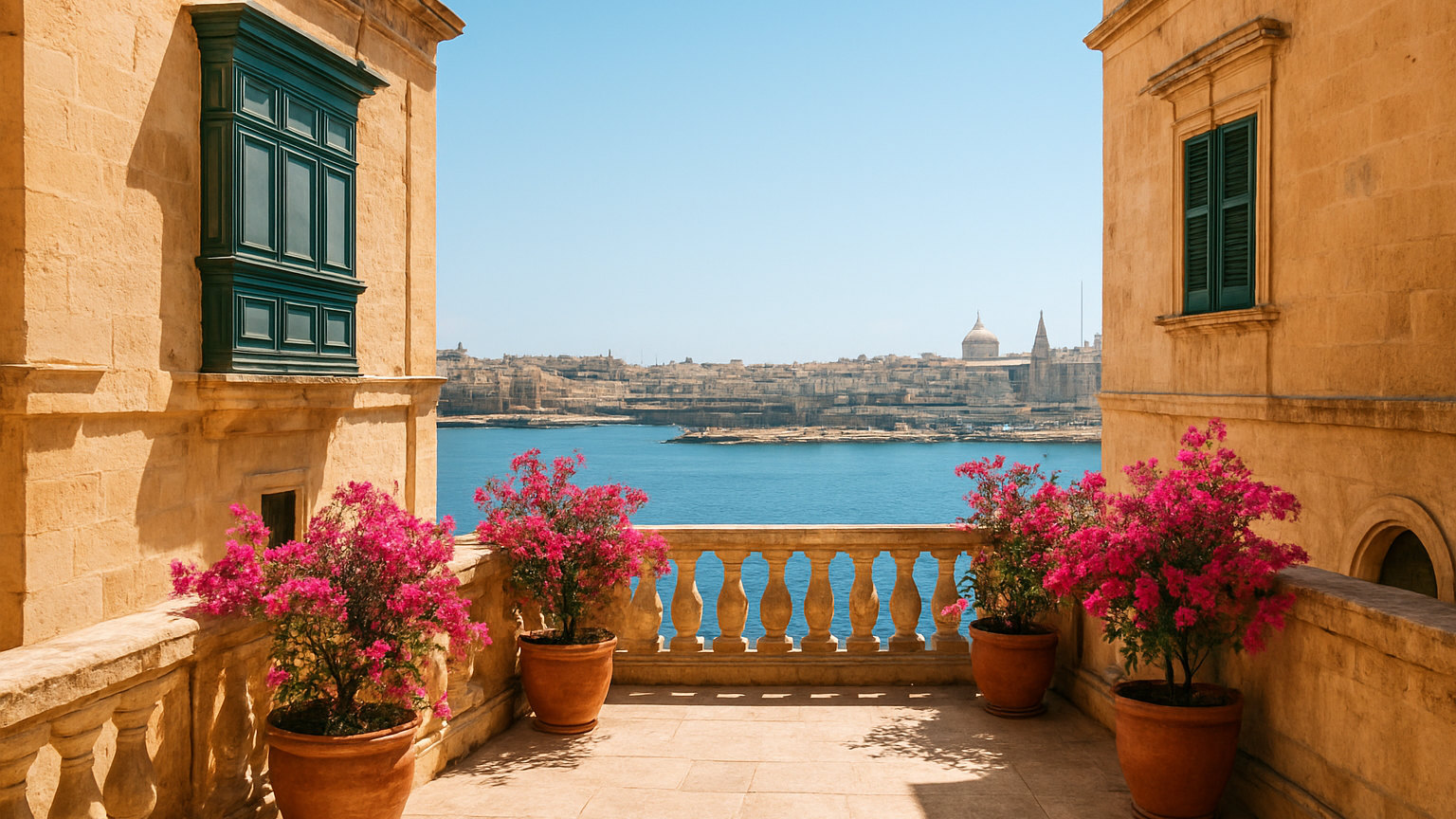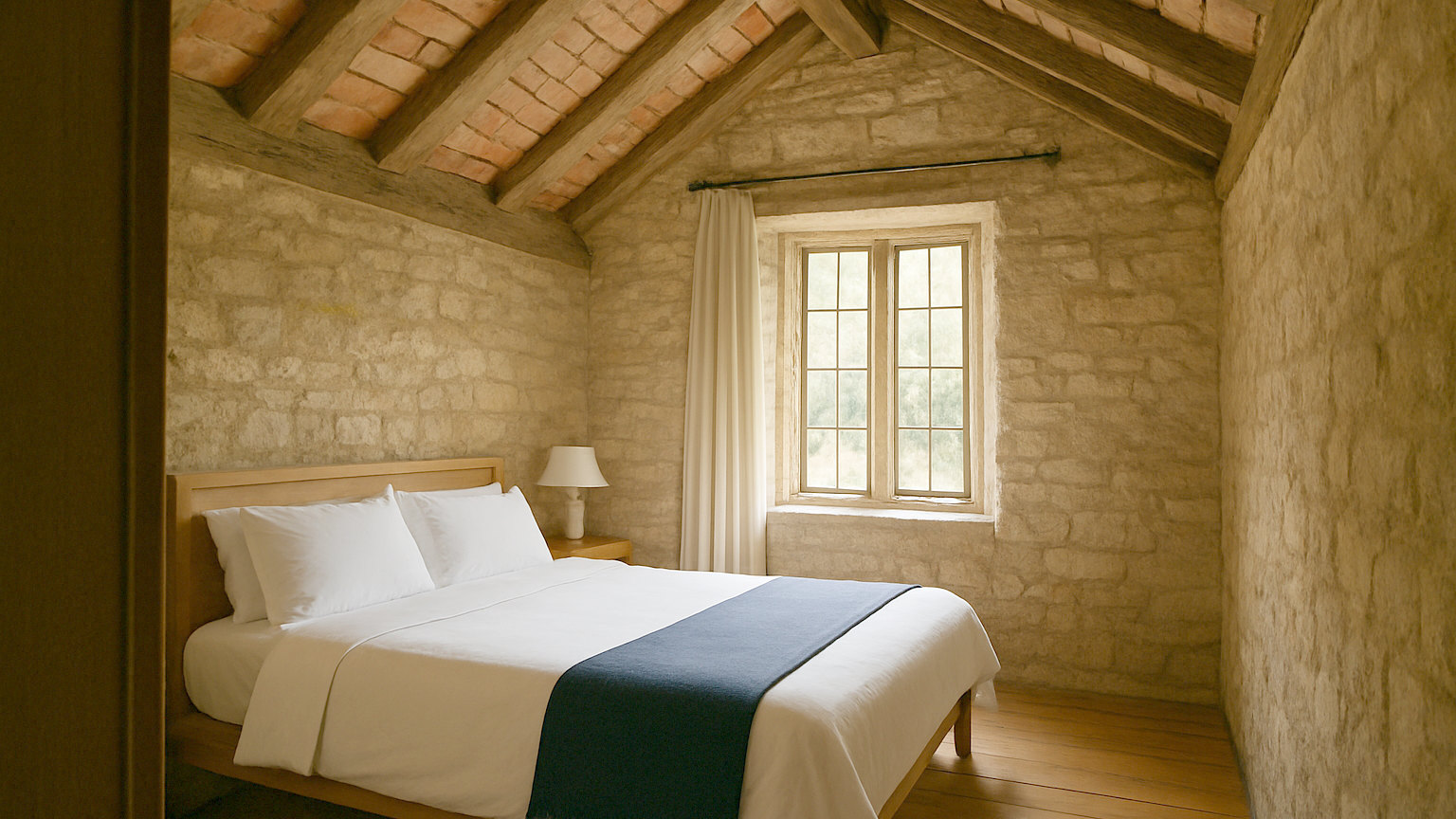
Boutique is a marketing word with no definition behind it, which is why it appears on everything from a genuinely distinctive twelve-room townhouse to a chain property with a feature wall. The properties that actually deliver what people mean by it share three characteristics.
What are the three?
Small size, usually under about fifty rooms and frequently under twenty. Independent ownership or a very small group, which is what allows decisions to be made locally. And a deliberate point of view about design, food or place rather than a specification applied from head office.
A property missing any of the three is usually a hotel calling itself boutique.
Why does size matter?
Because it changes what service can be. In a twelve-room hotel the staff know every guest by the second morning, remember what you asked for and can act without escalation. Above about fifty rooms that becomes impossible and the property necessarily runs on procedure instead.
Does it have to be expensive?
No, and the assumption that boutique means luxury is the commonest confusion. Plenty of small independent hotels in Portugal, Greece, Spain and central Europe are distinctive, well run and priced in the middle of the market. Price is a separate axis from character.
What about design hotels?
An overlapping but different category. A design hotel leads with architecture and interiors and can be any size, including large chain properties with a design-led brand. A boutique hotel is defined by scale and independence, and may be traditional rather than contemporary.
Are converted buildings automatically boutique?
Not automatically, and they frequently qualify. Townhouses, convents, mills, farmhouses and merchant houses converted into small hotels tend to meet all three criteria because the building constrains the size and rewards a point of view.
How do you spot a genuine one?
The room count, which is usually stated. Whether it is part of a group, which the website footer reveals. Whether the rooms differ from each other, since individually designed rooms are a strong signal and identical rooms are the opposite. And whether the owner appears anywhere in the story.
What do the collections mean?
Several marketing groups represent independent hotels under a shared badge, handling distribution rather than ownership. Membership indicates the property met a set of criteria and paid to join. It is a reasonable filter and not a guarantee of anything specific.
Is it always a good thing?
No. Small independent hotels vary far more than chains, because there is no standard floor. The best are considerably better than any chain and the worst are worse, and the distribution is wide enough that reading reviews matters more than for a predictable brand.
Who do they suit?
Couples, solo travellers and anyone staying several nights in one place. They suit families with young children and anyone needing predictability rather less, since facilities are limited and rooms are rarely built for four.
What is the honest test?
Whether the hotel could exist anywhere else. A property that reflects its building, its city and the people running it is boutique in the sense people mean. One that could be lifted into another country unchanged is not, whatever the website says.
How many rooms is too many?
There is no line, and the practical threshold is where staff stop recognising guests, which is somewhere around forty or fifty rooms. Above that a property can be excellent and cannot be personal in the way the word implies.
Does it apply outside cities?
Frequently more convincingly. Rural conversions such as Italian masserie, Portuguese quintas and Spanish cortijos meet all three criteria naturally, since the building limits the size and the owners are usually on site. Some of the best examples in Europe are not in cities at all.
Are Boutique Hotels Worth the Money? is the natural next read, alongside the wider Hotels section.
The short answer
Small, independent and with a deliberate point of view. Check the room count and whether it belongs to a group, look for rooms that differ from each other, and remember the term is unregulated so the label alone guarantees nothing.