Small independent hotels give up things that large properties take for granted, and most of it follows from having ten or twenty rooms rather than two hundred. None of it is a failing; it is arithmetic. Knowing which trade-offs apply prevents the disappointments.
What about reception hours?
Frequently limited rather than twenty-four hours, since a twelve-room hotel cannot staff a desk overnight. Late arrivals need arranging in advance, sometimes with a keypad or a key safe. This is the commonest practical problem and it is entirely avoidable by telling them your arrival time.
Is there a lift?
Often not, particularly in historic buildings where installing one is impossible or prohibited. A fourth-floor room in a Lisbon or Naples townhouse with luggage is a genuine consideration, and it matters more with mobility limits or a pushchair.
What facilities are missing?
Usually a gym, a spa, room service, a business centre and frequently a restaurant. Some have no bar. If any of those matters to you it is worth checking, and if none does, their absence is a saving rather than a loss.
How much do the rooms vary?
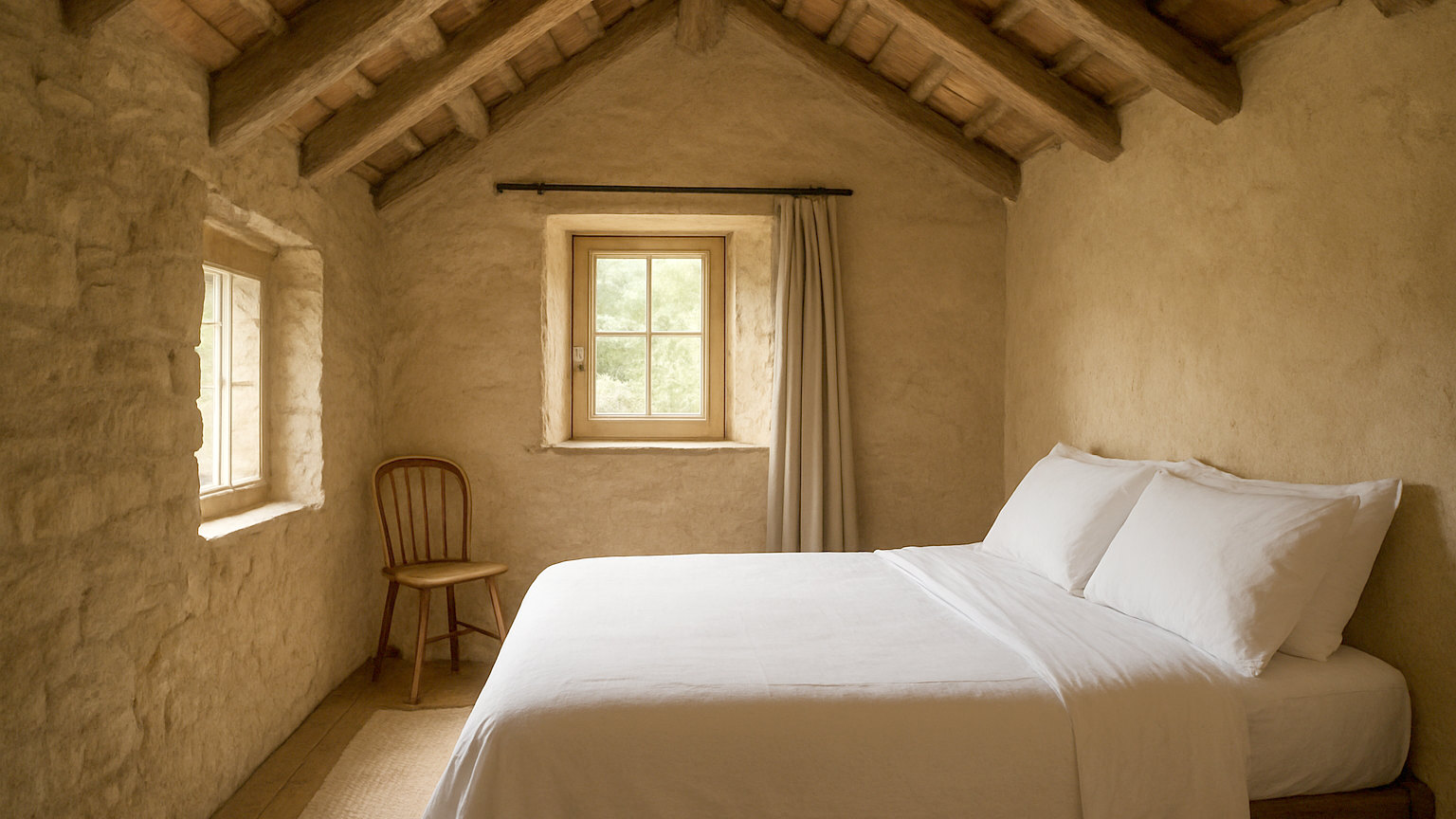
Considerably, which is both the appeal and the risk. In a converted building no two rooms are the same, and the difference between the best and the worst in the same category can be substantial. Room allocation matters far more than at a chain.
This is the strongest argument for booking direct and asking about the specific room.
What about flexibility?
Reduced in some ways and better in others. A small hotel cannot move you if the room is wrong, because there may be nothing else. It can also make decisions instantly, waive things and accommodate requests that a chain would refuse on policy.
Is there parking?
Rarely, since small hotels occupy old buildings in dense centres. Expect to use a public car park several streets away, which matters on a driving holiday and is worth asking about rather than assuming.
What about noise?
Old buildings have thinner walls, wooden floors and frequently single glazing in protected facades. A beautiful small hotel on a narrow street in a southern European old town can be noisy until late, and this is a common complaint that the photographs never show.
What happens if something goes wrong?
Usually better than at a chain, since the person you speak to can act. The exception is anything requiring resources the hotel does not have, such as an alternative room or a maintenance team at midnight.
Do they suit families?
Less well. Rooms are rarely certified for four, connecting rooms are uncommon, there is often no lift and facilities are limited. A small hotel with a family room is a happy exception rather than the norm.
What should you check before booking?
Reception hours and late arrival procedure, whether there is a lift, what the specific room is like, whether breakfast is included and what the parking arrangement is. Five questions by email covers all of it.
What about air conditioning?
Frequently retrofitted and sometimes absent, since protected buildings limit what can be installed. In southern Europe in summer this matters a great deal, and a beautiful room in a Seville townhouse without effective cooling is a difficult week. Ask specifically rather than assuming.
Is check-in and checkout flexible?
Frequently more so than at a chain, since one person decides. Late checkout, luggage storage and an early arrival are all easier to arrange at a small hotel, provided you ask rather than assume.
Are there minimum stays?
More common than at chains, particularly at weekends and in high season, since a small hotel loses more from a one-night gap between bookings. Two or three night minimums are normal in popular periods and are stated at booking.
How Do You Find a Good Boutique Hotel? is the natural next read, alongside the wider Hotels section.
The short answer
Expect limited reception hours, frequently no lift, few facilities and rooms that vary considerably. Tell them your arrival time, ask about the specific room and the parking, and accept that a small hotel cannot move you if something is wrong.