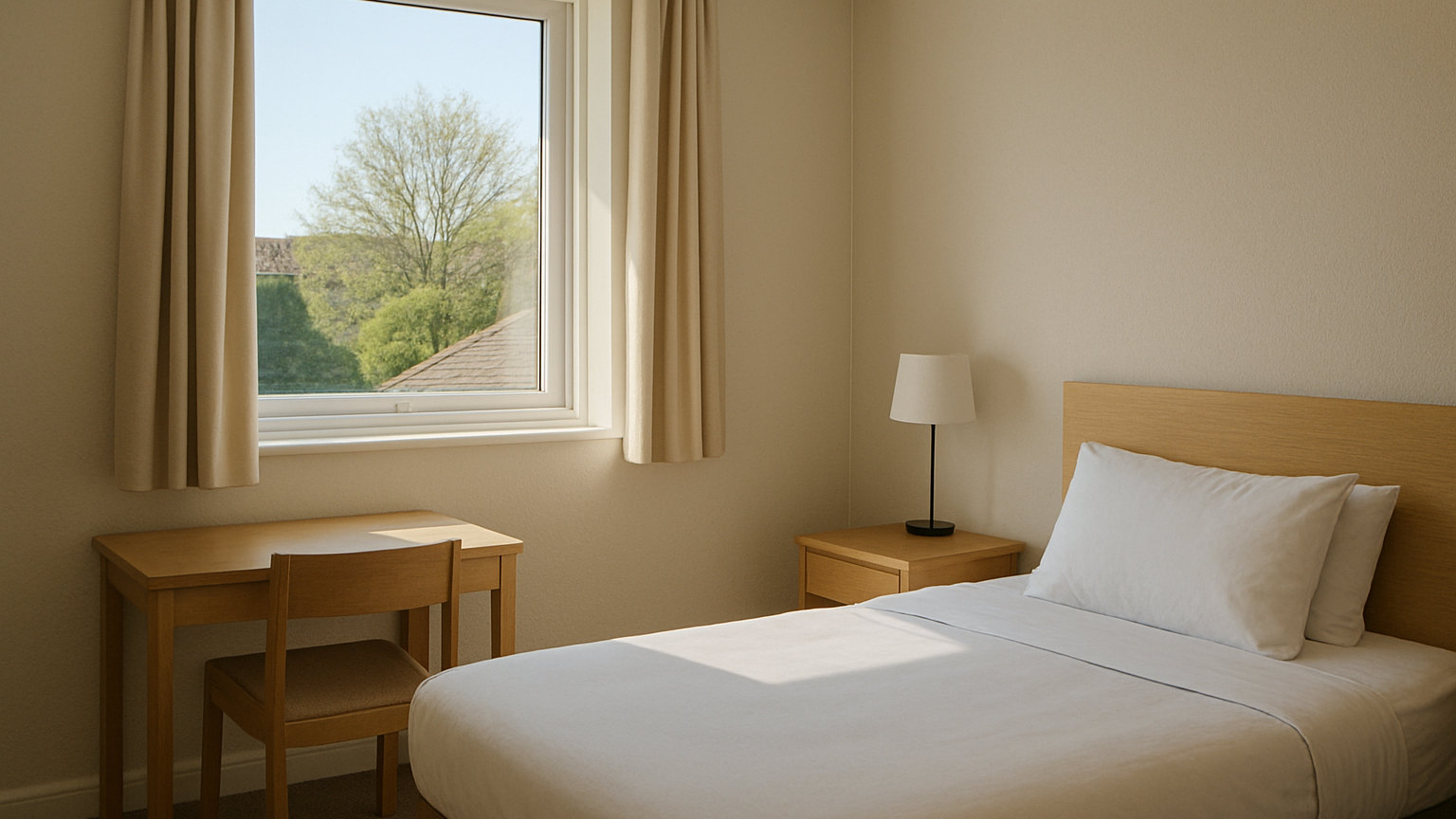
Cleanliness is only loosely related to price. Well-run budget hotels are frequently cleaner than tired mid-range ones, because cleaning is a matter of management rather than money. It is also the review sub-score that predicts overall satisfaction better than any other, which makes it the one to weight.
How do you check before booking?
Look at the cleanliness sub-score specifically rather than the overall rating, and read recent reviews for mentions of it. A property scoring well overall but poorly on cleanliness is usually coasting on location, which is exactly the trade you do not want.
What matters in the reviews?
Repetition and recency. Several people mentioning the same thing within a few months is a fact about the hotel. A single complaint from two years ago is not, particularly since management changes frequently at the budget end.
What should you check on arrival?
The bathroom, which is where standards show first, particularly grouting, the shower tray and behind the door. The bed linen, which should be crisp and smell of nothing. Under the bed and behind the headboard. The kettle and cups, if there are any.
Two minutes of looking before you unpack is worth more than any amount of reading beforehand.
What about bed bugs?
Uncommon in well-run properties at any price and worth a brief check, since they occur in expensive hotels as readily as cheap ones. Look at the mattress seams and the headboard for small dark spots. Keep luggage off the floor and bed, on a rack or a hard surface, which is sensible practice anywhere.
If you find evidence, ask to change hotel rather than room, and report it.
What if the room is not clean?
Say so immediately and politely at reception, before unpacking. A hotel that is willing to put it right usually will, either by cleaning again or moving you. Reporting it on departure or in a review achieves nothing for your own stay.
Does daily cleaning happen?
Not always, and increasingly not by default. Many budget hotels now clean only on request or every few days, partly for cost and partly presented as an environmental measure. Check the policy if it matters, and ask for fresh towels at reception rather than assuming.
Which countries are most consistent?
The Nordics, Germany, Switzerland, Austria and the Netherlands, where standards at the budget end are high and predictable. Southern and eastern Europe vary more between properties, with excellent family-run places alongside poor ones at similar prices.
Are chains cleaner?
More consistent rather than cleaner. Standardised procedures produce a reliable floor, which is worth something when booking somewhere unfamiliar. The best independents exceed them and the worst fall well below.
What is a reasonable expectation?
A clean bathroom, fresh linen, no dust, no smell and no visible wear that looks unhygienic. Tired decor, chipped paint and dated furniture are not cleanliness problems and are normal at the budget end.
What about shared facilities?
Still common at the cheapest end in Italy, Greece and eastern Europe, and this should always be stated in the listing. Shared bathrooms in a well-run guesthouse are usually cleaner than an en suite in a poorly run hotel, and the number of rooms sharing matters more than the fact of sharing.
Does the smell tell you anything?
A great deal. Strong air freshener usually covers something, damp indicates a ventilation problem that will not be fixed during your stay, and stale smoke in a non-smoking room means the policy is not enforced. A clean room smells of nothing.
How does length of stay change it?
Considerably. A room that is acceptable for one night becomes wearing over a week, since small flaws accumulate and cleaning may not be daily. For stays of four nights or more, weight the cleanliness score more heavily and consider paying a little more.
It is worth reading alongside What Is Included and What Is Charged Extra?, which takes a different angle, and the wider Hotels guides.
The short answer
Weight the cleanliness sub-score above the overall rating, read recent reviews for repeated mentions, and spend two minutes checking the bathroom and bed before unpacking. Report anything wrong immediately, and keep luggage off the floor as standard practice.