Hotels sell upgrades because they are profitable, not because they are needed. Some genuinely change a stay and most add a feature you will barely notice. The useful distinction is whether the upgrade fixes a problem or simply adds something.
Which upgrades are worth it?
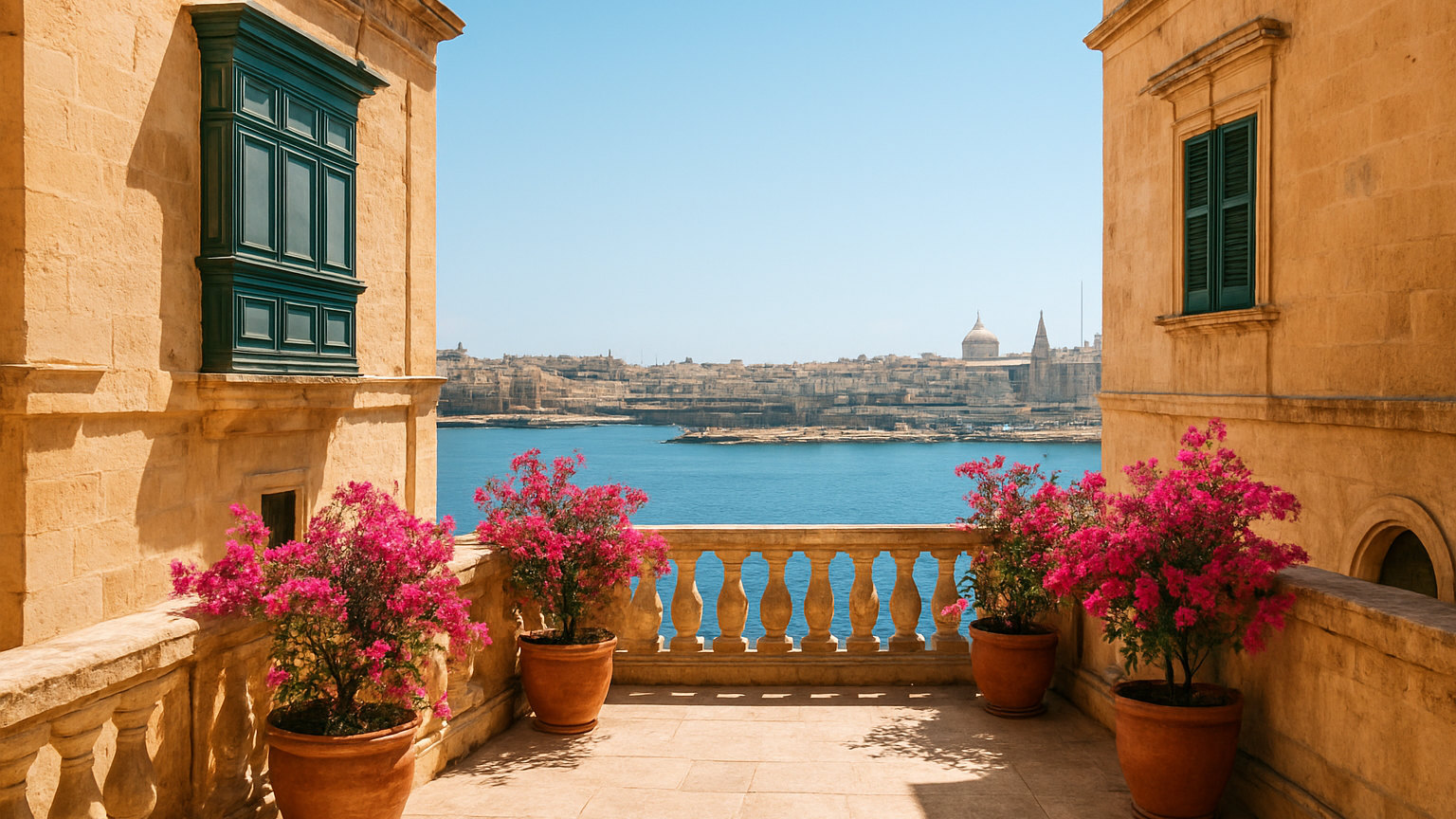
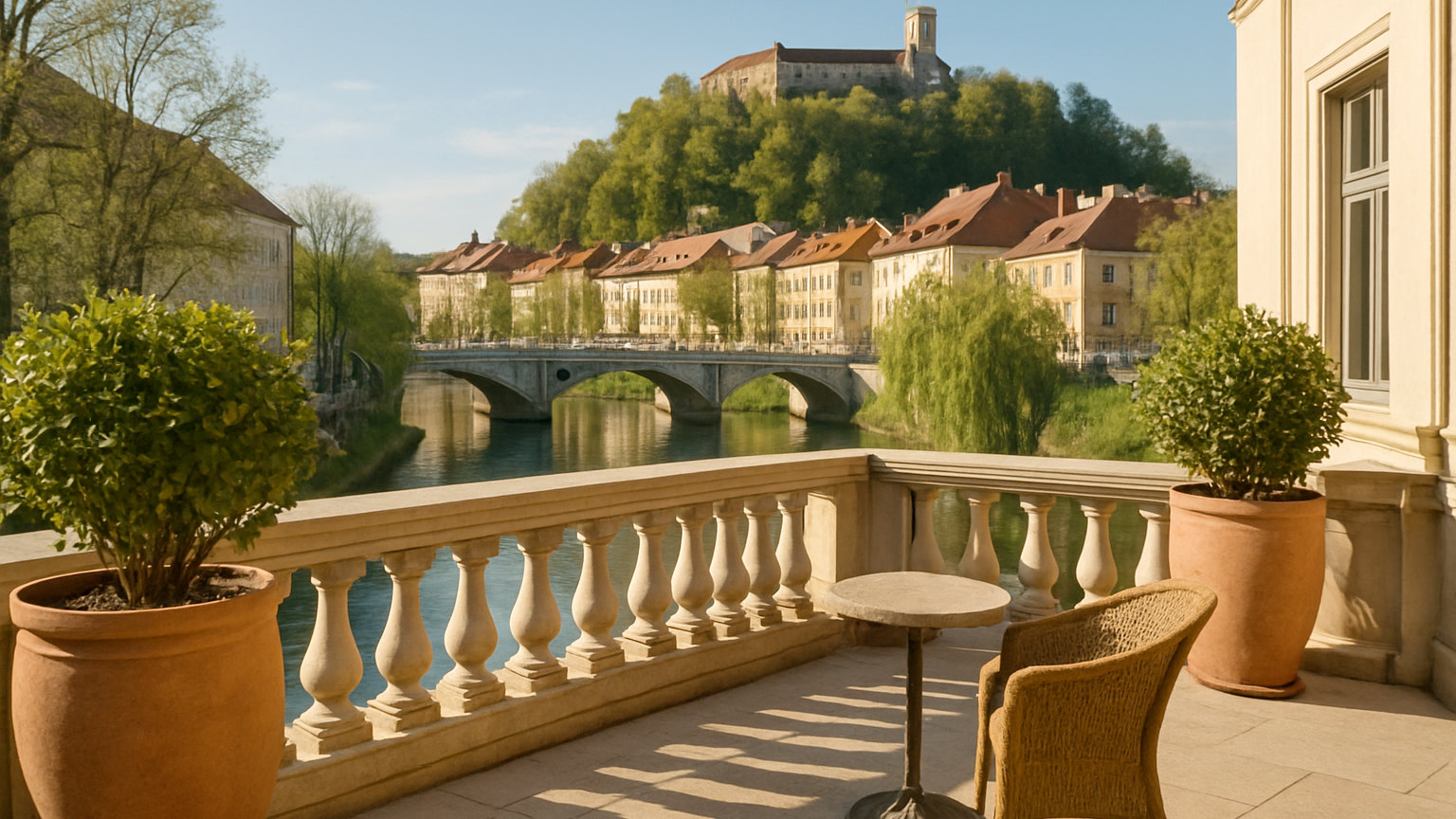
A quieter room, which fixes the commonest cause of a bad stay. A balcony or terrace in a warm climate, which adds usable space rather than decoration. A separate sleeping area when travelling with children, which returns the evening to the adults. A higher floor, which usually means quieter and better light.
Which are usually not?
A larger room, unless you are staying a week or more, since floor area matters less than layout. A better bathroom. A sea view, unless the view is genuinely the point of the destination, since you will be out most of the day. Executive or club floors at budget and mid-range properties.
How much does quiet matter?
More than anything else, and it is the most consistent theme in hotel complaints. Street noise, a bar below, a lift shaft and early deliveries all ruin sleep, and no other feature compensates for it. If one upgrade is available, take the quiet one.
Can you get it for free?
Often, by asking. Requesting a high floor away from the lift and the street costs nothing, is a normal request and is frequently granted where availability allows. Mentioning an occasion at the time of booking produces upgrades more often than people expect.
Loyalty scheme membership, even at the free tier, also helps.
When should you ask?
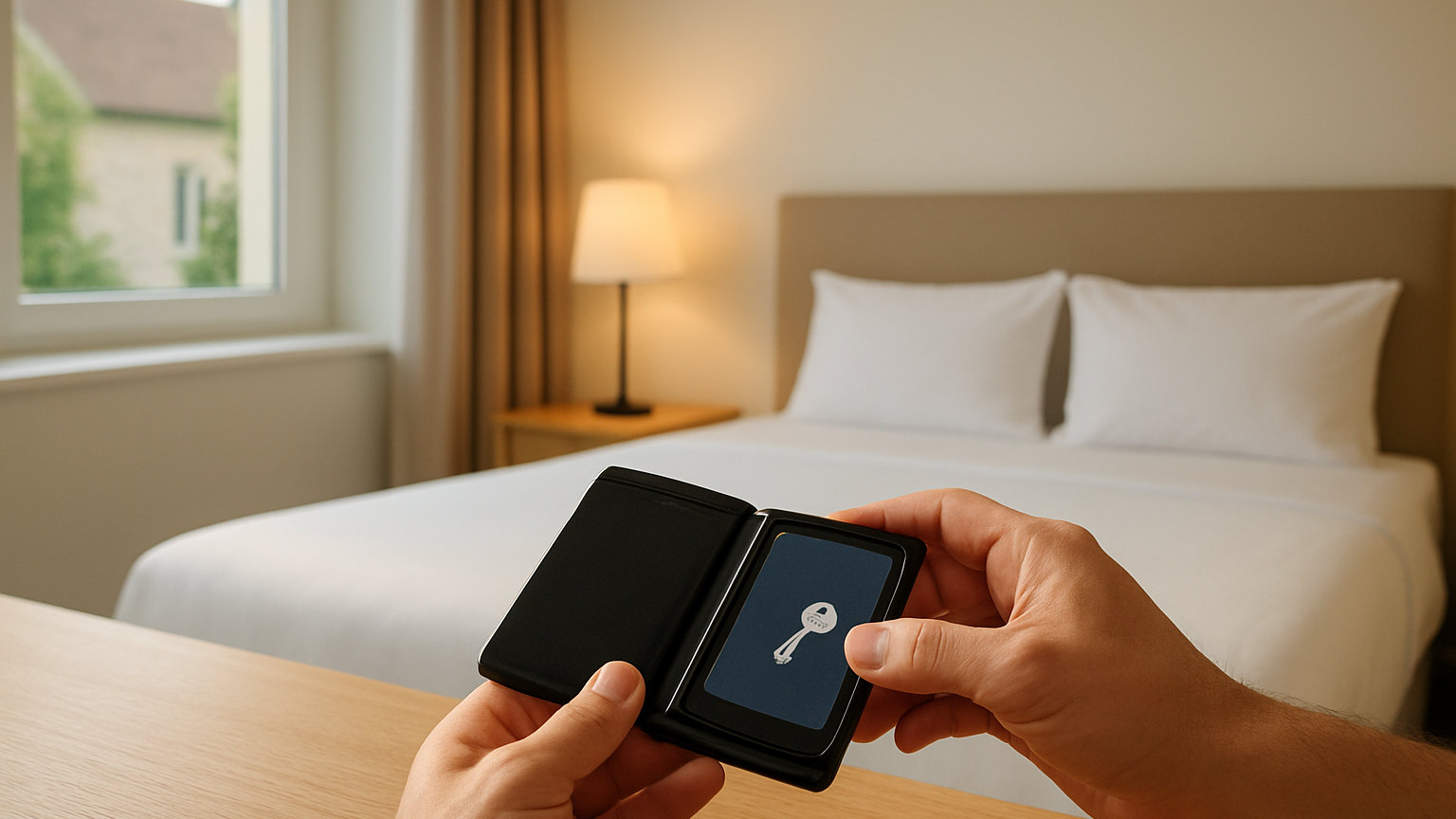
In writing at the time of booking, and again politely at check-in. Asking at check-in alone is late, since rooms are often pre-assigned. Arriving later in the day sometimes helps, since the hotel knows what is unsold.
Is it cheaper to upgrade at the desk?
Sometimes considerably, since a hotel with unsold better rooms would rather take a small payment than nothing. Offers made at check-in are frequently below the online upgrade price and are worth negotiating. This works less well in peak season when the hotel is full.
What about breakfast as an upgrade?
Usually poor value in southern Europe, where a cafe is cheaper and better, and reasonable in the Nordics or at isolated properties. Adding it at booking is normally cheaper than paying at the desk.
Does it depend on the trip length?
Considerably. On two nights, spend money on location rather than the room, since you will barely be in it. On a week or more, the room matters much more and space, a balcony and somewhere to sit become worth paying for.
What is the best value upgrade overall?
A room with a terrace or balcony in a warm climate, or a swim-up room at a resort. Both add hours of usable space rather than a feature you look at once.
What about room-only versus flexible rates?
A different kind of upgrade and often the more useful one. The difference between a non-refundable rate and a flexible one is usually modest, and on a trip where plans might change it buys more than a larger room would. Price both before defaulting to the cheapest.
Does the floor matter beyond noise?
In older European buildings, considerably, since many have no lift. A cheap top-floor room in a Lisbon or Naples guesthouse can mean five flights with luggage. Check for a lift if that matters rather than assuming one exists.
Which upgrade should you take on a resort holiday?
A swim-up room or a terrace over a sea view, for the same reason: usable space beats something you look at. On a fortnight the difference is felt daily, and the sea view is visible from the beach anyway.
It is worth reading alongside What Do Star Ratings Mean at the Budget End?, which takes a different angle, and the wider Hotels guides.
The short answer
Pay for quiet, a balcony or a separate sleeping area, and skip the larger room, the better bathroom and the view. Ask for a high floor away from the lift in writing when you book, mention any occasion, and negotiate at the desk if the hotel is not full.