Family hotels compete on the length of their facilities list, and most families use four things: the pool, the room, the food and the beach. Understanding that changes which hotel you book and how much you pay for it.
What gets used every day?
The pool, by a wide margin, and for longer than anything else. The dining room. The room itself, particularly in the afternoon and evening. If there is a beach within walking distance, that too. These four account for almost the entire week.
What gets used occasionally?
The kids club, between about five and ten. Evening entertainment, once or twice. A games room on a wet afternoon. Non-motorised watersports with older children. None of these justifies choosing one hotel over another on its own.
What almost never gets used?
The gym, the spa, the business centre, the tennis courts, the second and third restaurants and most of the organised daytime activity programme. These are priced into the room whether or not you visit them.
Is a kids club worth choosing a hotel for?
Only within the age band where it works, and then check the specifics rather than its existence. Age bands, whether it runs daily including changeover days, whether it closes for two hours at lunch and whether sessions run in English all matter more than having one.
A club described as covering four to twelve as a single group works for neither end of that range.
What about water parks?
Genuinely used and genuinely popular, and worth checking the height restrictions before booking if they are the reason you chose the property. Several hotel water features operate only at set hours.
Does a beach matter more than a pool?
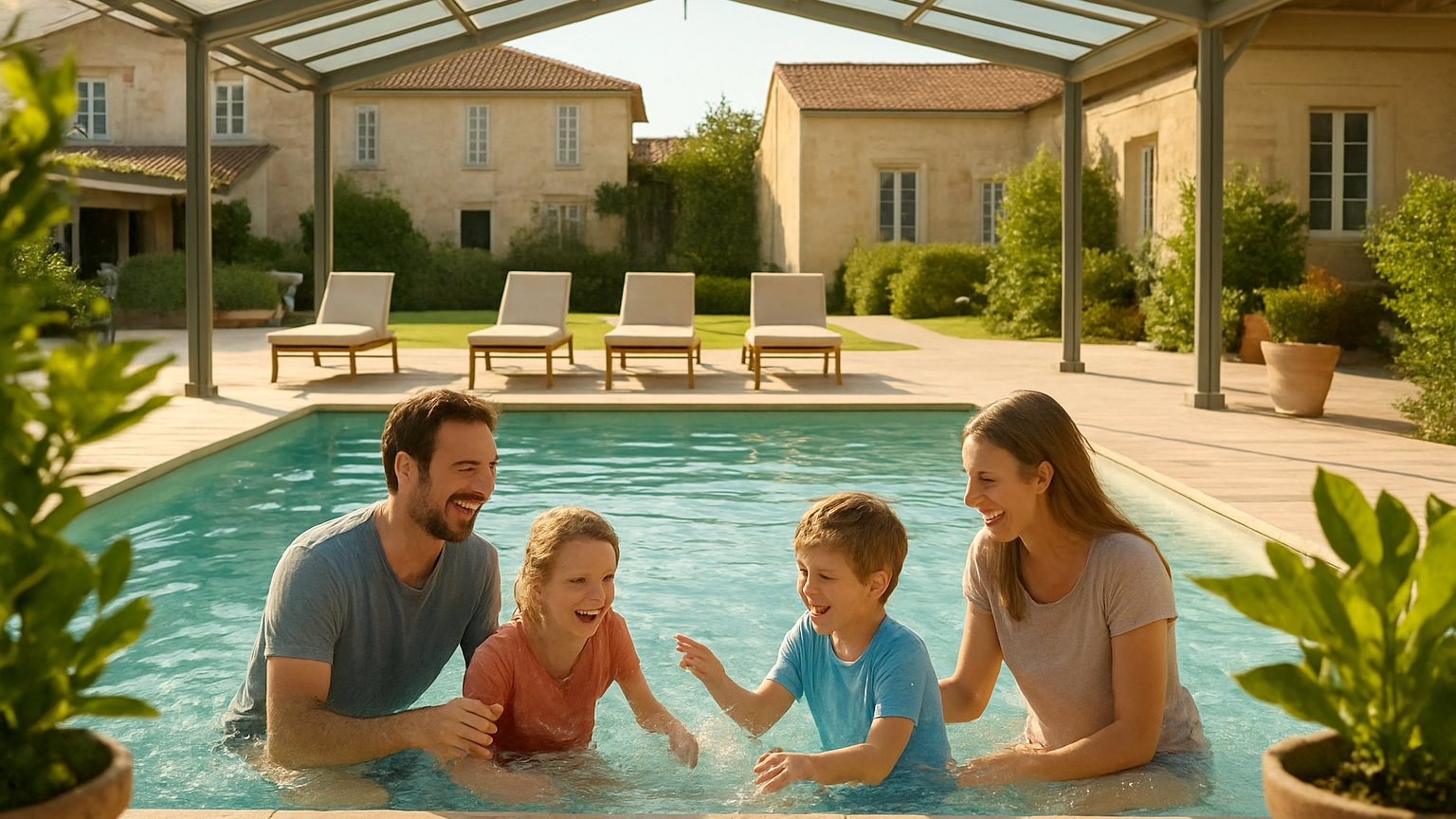
Usually less, with young children. A pool is enclosed, shallow at one end, close to food and drink, and has no waves or currents. Families with children under about eight typically spend more time at the pool even when a beach is fifty metres away.
What should you pay for instead?
A better room layout, a shorter transfer, a shallow heated pool and a compact site. All four are used continuously and none of them appears as a facility. That is where the money goes furthest.
Do older children change the answer?
Considerably. Teenagers ignore kids clubs and pools with slides and want watersports, wifi, a town within walking distance and other teenagers. The facilities list that suits a seven-year-old is largely irrelevant to a fifteen-year-old.
What about wet weather?
The one case where the facilities list earns its keep. An indoor pool, a games room or a covered area turns a wet day from a problem into an afternoon. Worth weighting in spring, autumn and anywhere with unreliable weather.
How should you compare hotels?
By the four things families use rather than the fifteen advertised. Room layout, pool depth and heating, dining hours and walking distances. A hotel scoring well on those with a short facilities list beats the reverse.
What about the entertainment programme?
Enjoyable once or twice and rarely a reason to choose a hotel. It also generates noise until late near the main pool, which is worth knowing when requesting a room. Families frequently want the entertainment and a room well away from it.
Does a compact site beat a large one?
Almost always with young children. A large resort with more facilities but a ten-minute walk between the room, the pool and the restaurant produces more work than the facilities save. Walking distances are the hidden variable.
What about wifi?
Used more than any facility except the pool, particularly with older children, and free almost everywhere in Europe now. Worth checking it reaches the rooms rather than only the lobby, which remains a common complaint at older properties.
It is worth reading alongside How Do You Book a Hotel for a Family of Five?, which takes a different angle, and the wider Hotels guides.
The short answer
Families use the pool, the room, the food and the beach, and pay for a gym, a spa and three restaurants they will not visit. Spend the money on room layout, pool depth and a short transfer instead, and check kids club specifics rather than its existence.