Villa rental is dense in some parts of Europe and almost absent in others, and the pattern follows the housing stock rather than the scenery. Regions with large rural properties, a warm climate and a long rental tradition dominate the market.
Where is the market deepest?
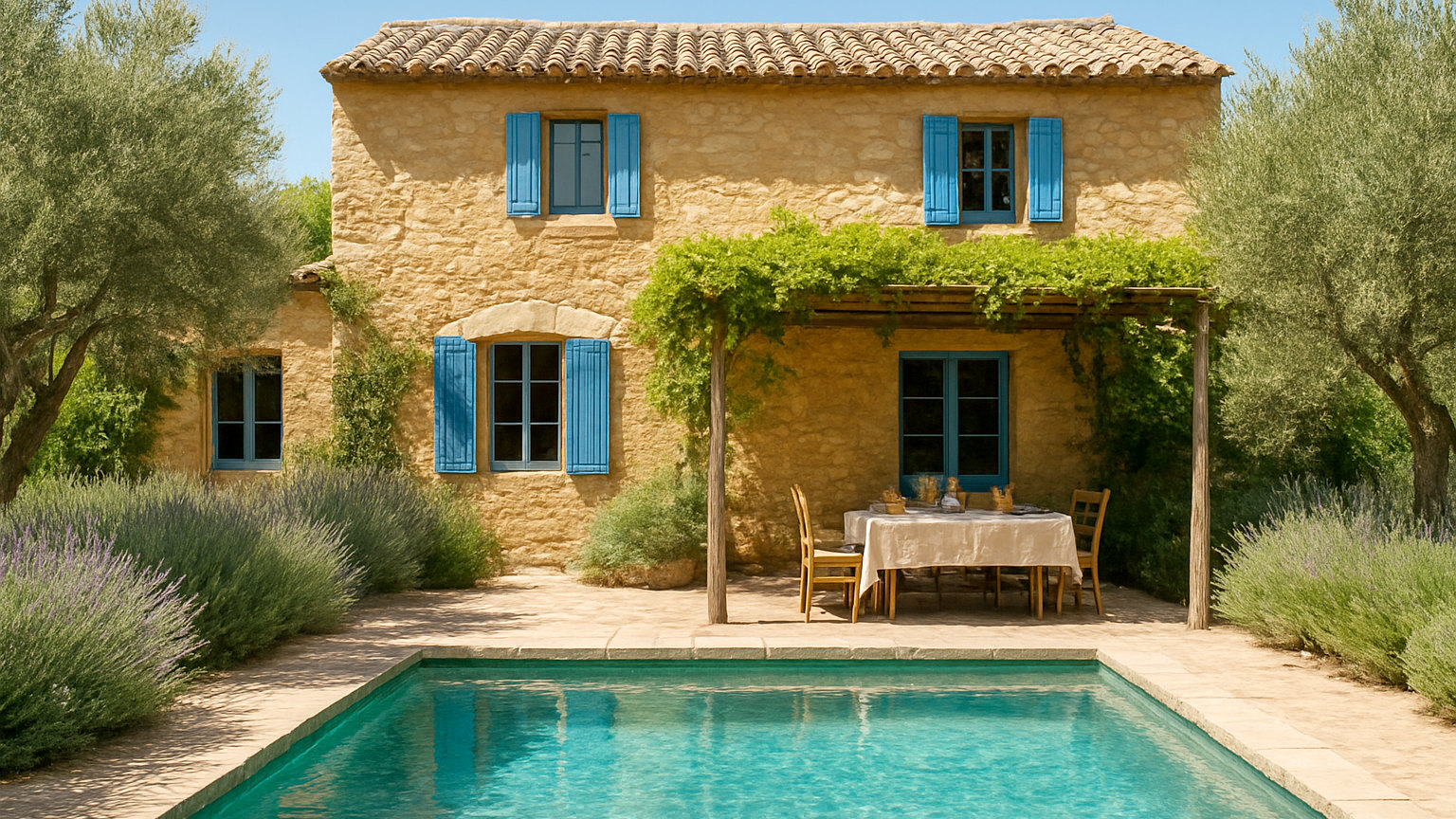
Tuscany, which effectively created European villa rental and still has the largest stock of converted farmhouses. Provence, the Dordogne and the Cote d Azur in France. Mallorca and Ibiza in Spain. The Algarve in Portugal. Between them these account for a large share of the market.
Which regions are best value?
Puglia, where masserie and trulli converted over the past two decades are considerably cheaper than Tuscany for comparable quality. Inland Andalusia, the Peloponnese, and the less-visited Greek islands. Croatia away from the immediate Dubrovnik and Split coast.
What is a masseria?
A fortified farmhouse in Puglia, thick-walled and whitewashed around a courtyard, frequently converted with a pool. Alongside trulli, the conical stone houses of the Itria valley, they make southern Italy the most distinctive villa region in Europe.
What about Greece?
A growing market concentrated on Crete, Corfu, the Peloponnese and the larger Cyclades. Greek villa rental is generally newer stock than Italy or France, with more purpose-built properties and fewer conversions, at competitive prices.
Where should you go for a beach?
The Algarve, Mallorca, Menorca, Crete, Corfu and the Croatian coast, all of which combine villa stock with beaches within reach. Tuscany, Umbria and the Dordogne are inland regions where the pool is the water, which is worth being clear about before booking.
Which suit groups?
Tuscany and Puglia, where large farmhouse conversions sleeping ten or twelve are common. France has a strong supply of substantial properties. Greek and Croatian villas tend to be smaller, sleeping six to eight, which suits families more than large groups.
What about cooler regions?
The Dordogne, Brittany, the Loire, northern Spain and inland Croatia all offer villa rental at lower temperatures, which suits anyone who finds a Mediterranean August difficult. The trade is an unheated pool that may be cold and less reliable weather.
Do you always need a car?
In the rural regions, yes, without exception. Tuscany, Puglia, the Dordogne and inland Andalusia all require driving for everything. Coastal villas in the Algarve, Mallorca and Crete are sometimes within walking distance of a town, which is worth filtering for.
When is the season?
Roughly Easter to October across the Mediterranean, with July and August at peak prices and the best value in June and September. Many rural properties close in winter, and those that stay open are worth considering only with proper heating.
Which region for a first villa holiday?
Tuscany or the Algarve, both with deep markets, established agencies, good infrastructure and a wide range of prices. Puglia if you want the same experience for less and do not mind a longer transfer.
What about the transfer?
Longer than for a resort, since villa regions are rural by definition. Tuscany is typically an hour or more from Pisa or Florence, Puglia an hour from Bari or Brindisi, and inland Andalusia an hour or two from Malaga. Factor the drive into the first and last days.
Which regions suit walking or cycling?
Tuscany, Umbria, the Dordogne, Mallorca and the Peloponnese, all with quiet roads and scenery that rewards moving slowly. Mallorca in particular has a serious cycling season in spring, which makes a villa there a different kind of holiday out of the summer months.
Where is villa rental thin?
Northern Europe generally, where the climate never produced a pool-and-terrace market, and much of eastern Europe, where the stock of large rural houses in private hands is smaller. Switzerland and Austria have chalets instead, which are a parallel market with a winter peak.
How Do You Split a Villa Between Families? answers a related question in more depth, and there is more of the same across our Hotels guides.
The short answer
Tuscany, Provence, the Dordogne, Mallorca and the Algarve have the deepest markets, and Puglia, inland Andalusia, the Peloponnese and Croatia offer the best value. Inland regions mean the pool is the water, and a car is essential everywhere rural.