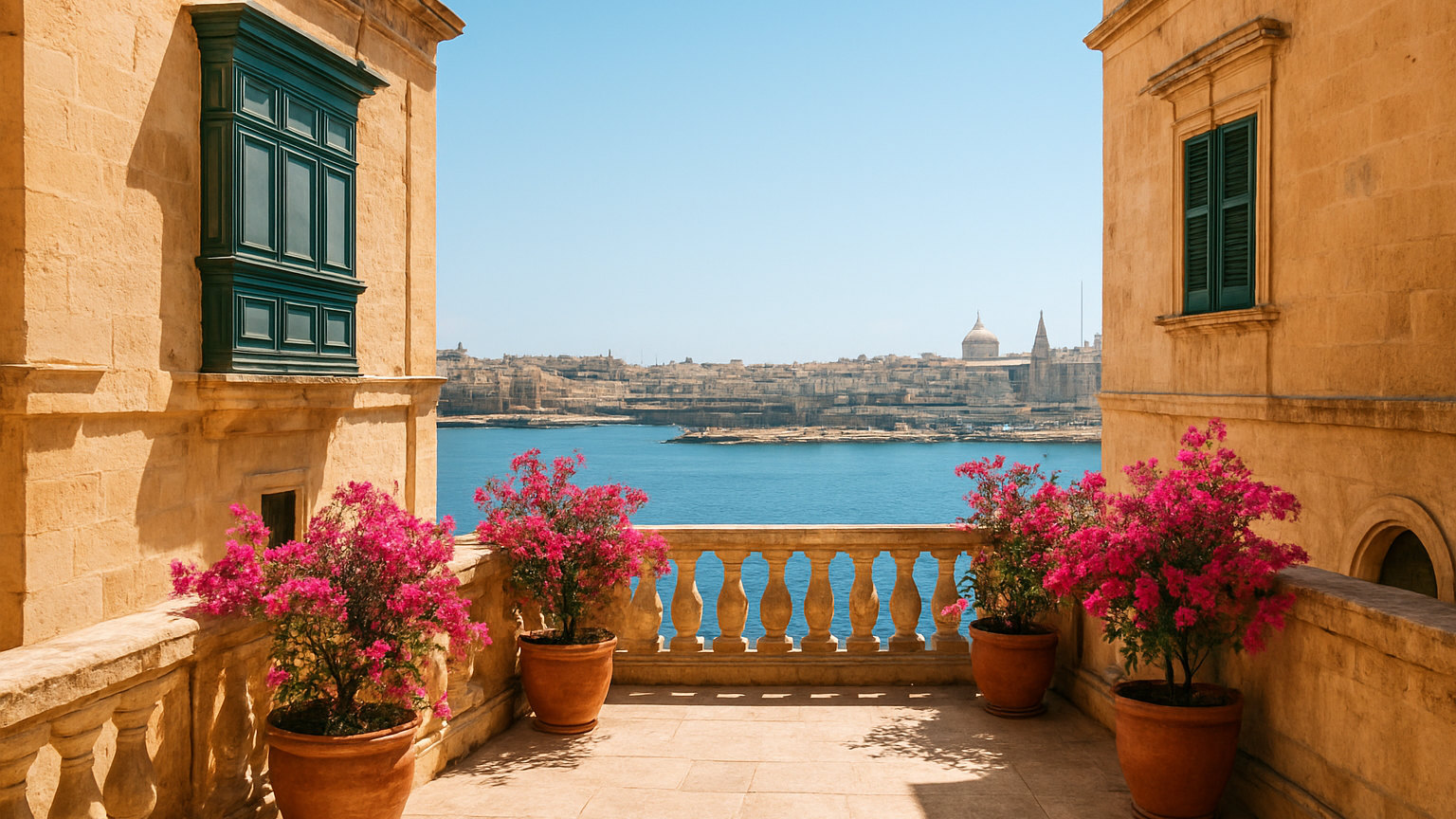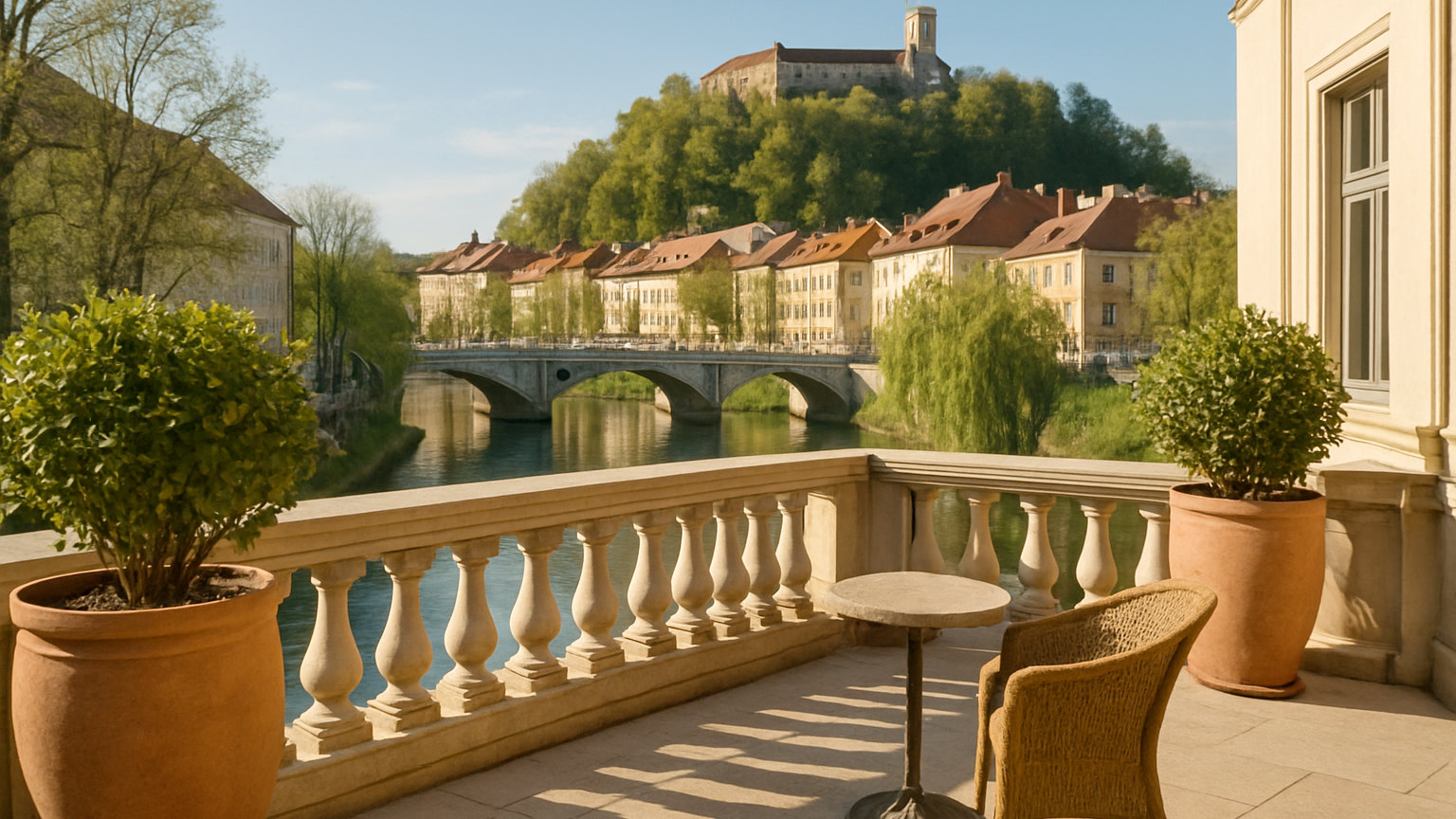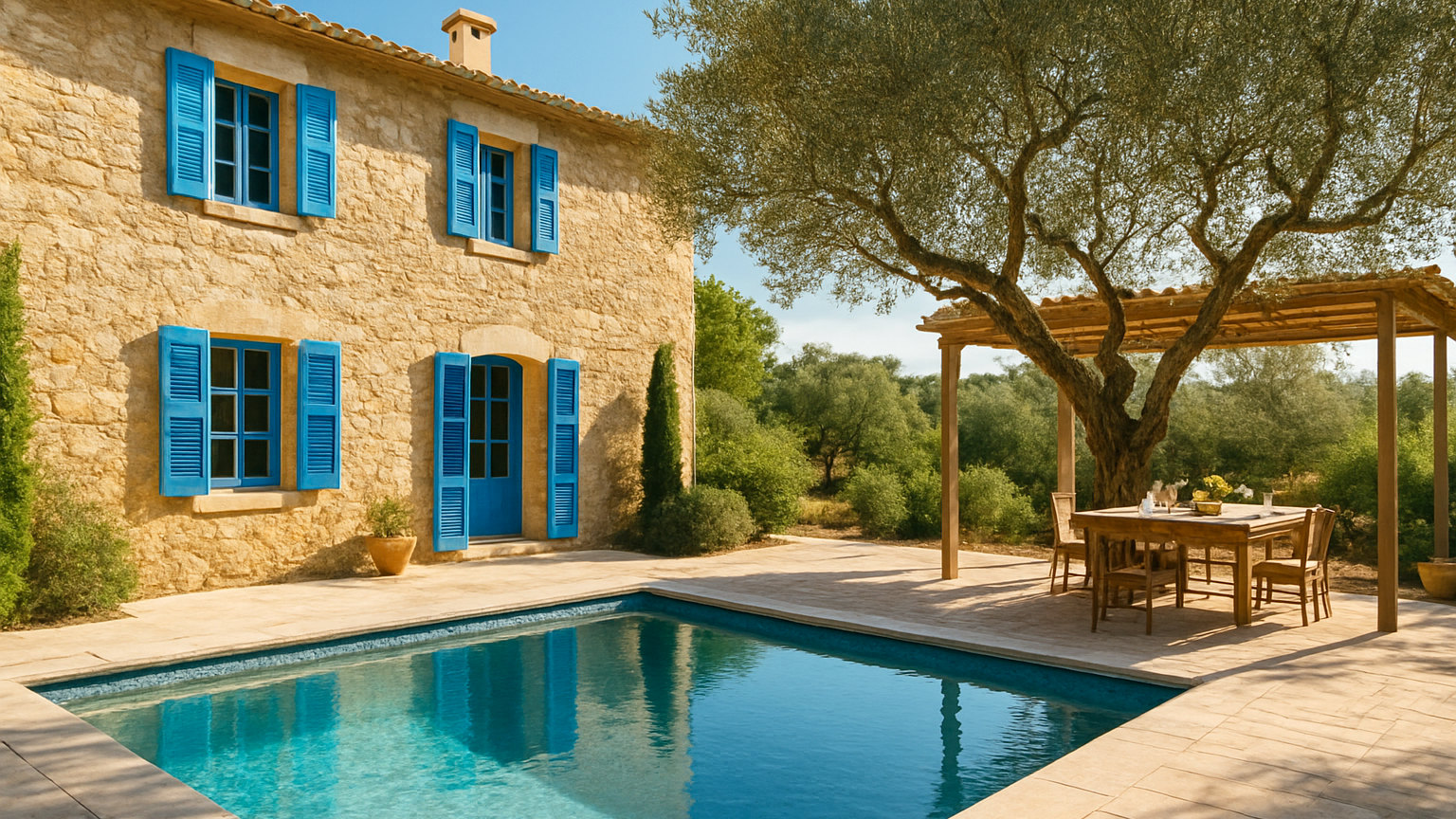
The private pool is usually why people rent a villa rather than a hotel, and it is also the feature that needs the most checking. Listings show it in sunshine from a flattering angle and rarely mention the details that determine whether it works and whether it is safe.
Is it fenced?
The first question with young children and the one most often unanswered. A great many European villa pools have no fence, no gate and no alarm, and the terrace doors open straight onto them. Ask directly rather than assuming, since listings rarely state it either way.
Where there is no barrier, continuous adult supervision is the only protection, and it needs to be arranged explicitly rather than assumed among a group.
How do groups handle supervision?
By naming someone. In a villa with several families the commonest failure is everyone assuming another adult is watching. Agreeing a rota, or a rule that the pool is closed unless a named adult is outside, sounds excessive and prevents the situation that causes accidents.
Drowning is quiet and fast, which is why line of sight matters more than any equipment.
How deep is it?
Frequently a uniform depth of a metre and a half, with no shallow end, which is unusable for a child who cannot swim. Where the listing gives dimensions it usually gives depth too, and it is worth asking if not.
Is it heated?
Rarely by default and frequently available as a paid extra, which must be requested in advance because the pool takes a day or two to reach temperature. Outside July and August an unheated pool in the Mediterranean is cold, and in May or October it is largely decorative.
Which way does it face?
Worth knowing, since a pool shaded by the house from mid-afternoon is considerably cooler and less usable than one in open sun. Satellite view and the sun position tell you this, and it is the sort of detail that changes how a week feels.
Who cleans it?
Usually a pool technician visiting once or twice a week, which is normal and means someone will be on the property. Ask when they come and whether they need access, since an unexpected visitor at eight in the morning surprises people.
Are there rules?
Frequently, including no diving in shallow pools, no glass on the terrace and set hours in shared complexes. Rental agreements often place responsibility for pool safety entirely on the guest, which is worth reading rather than skipping.
What about shade and seating?
Count the sunloungers against the number of guests, since villas frequently provide fewer than the sleeping capacity. Check for shade near the pool rather than only at the house, which matters with children and in the middle of the day.
What if it is not working?
Report it immediately to the owner or agency, since a green or broken pool is the commonest serious rental complaint and one that can usually be fixed within a day if raised early. Photograph it on arrival, which is what makes any later claim straightforward.
What about shared pools?
Common in apartment complexes and villa developments, and a different proposition entirely. Check the opening hours, whether it is supervised, how many units share it and whether there is a children section. A shared pool in August at a fully let complex is a busy place.
Does the pool type matter?
Salt or chlorine makes little practical difference. What matters more is whether it is an infinity or overflow design, where the edge is level with the water and less visible, which is worth knowing with small children on a terrace.
For the next step, see How Do Villa Bookings and Deposits Work?, or browse the full Hotels section.
The short answer
Ask whether the pool is fenced, how deep it is, whether heating is available and which way it faces. With children, name an adult responsible for supervision rather than assuming, count the loungers and the shade, and photograph any problem on arrival.