
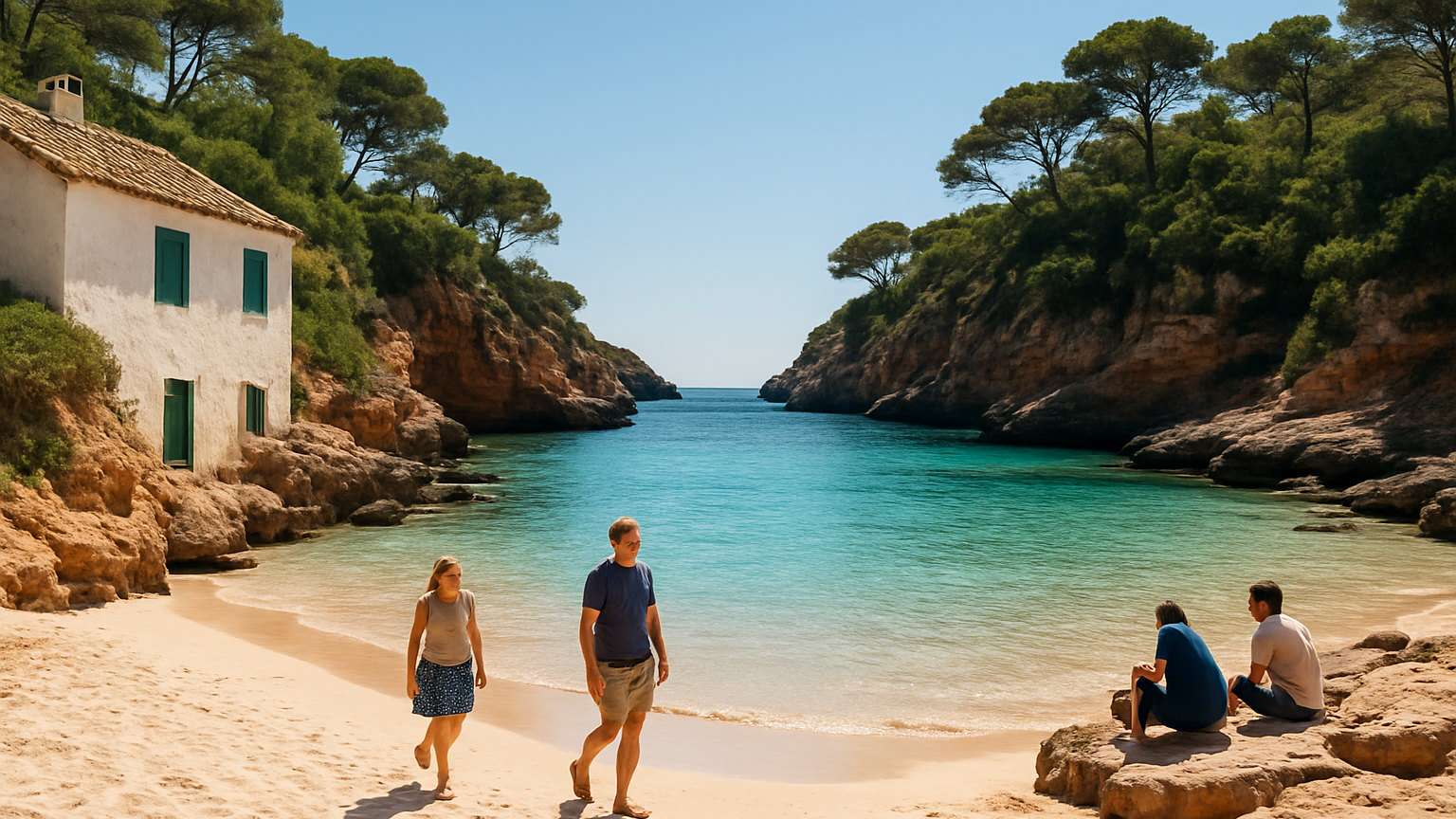
Beach photographs show sand, water and light. What determines whether a day there is pleasant is shade, how you get into the water, how far you carry everything and which way the wind blows, and none of those four appears in any image.
Why does shade matter most?
Because it sets how long you can stay. A beach with pines, cliffs or hired umbrellas supports a full day; an open stretch of sand in July supports about two hours. Tree-backed beaches are consistently more comfortable than famous open ones.
What about the water entry?
The most overlooked variable. A gently shelving sandy entry suits everyone; a steep drop into deep water suits confident swimmers; rocks and sea urchins require shoes. The same beach can be excellent for one group and unusable for another entirely because of this.
How much does the wind matter?
More than people expect. Many Mediterranean and Atlantic coasts have a reliable afternoon wind, which is pleasant for cooling and unpleasant for sand and umbrellas. Checking which way a beach faces against the prevailing wind is a two-minute job that decides the afternoon.
What about the walk?
Carrying a cool box, a parasol and beach equipment several hundred metres from a car park, frequently down steps, is the actual work of a beach day. Beaches with parking close by are easier and correspondingly busier, which is the trade.
Which facilities matter?
Toilets, fresh water and somewhere to buy a drink, in that order. A beach with none of the three is fine for two hours and awkward for a day, particularly with children. Sunbed hire matters less than people think if you bring shade.
Does the sand type matter?
Considerably for comfort. Fine pale sand stays cooler and is pleasant to sit on; coarse sand and shingle are harder on feet and better for staying clean; black volcanic sand becomes too hot to walk on barefoot by midday.
What about the water quality?
Generally high across the EU, where bathing water is monitored and results published annually by beach. Where you want certainty, the Blue Flag scheme and national bathing water data are both public and searchable.
How do you judge a beach before going?
Satellite view for the shape, the backing, the parking and whether anything casts shade. Then visitor photographs taken at different times of day, which show the crowd, the real colour of the sand and how the water enters.
What time should you go?
Before ten or after four, which is both the most comfortable and the emptiest. The middle of the day is when European beaches are fullest and the sun is strongest, and shifting either side of it improves almost any beach.
Is the famous one the best one?
Rarely. Beaches become famous for how they photograph, which correlates with drama rather than comfort. The beach twenty minutes along the coast is frequently better to spend a day on and has somewhere to park.
Does the tide matter in the Mediterranean?
Barely, since the tidal range is very small, which is why Mediterranean beaches look the same all day. On the Atlantic coasts of Portugal, Spain, France and Ireland the range is substantial, and a beach can double in width or disappear entirely between morning and afternoon.
What about the backing?
What sits behind a beach decides its character. Pine woods give shade and a place to park; cliffs give drama and no escape from the sun; a promenade gives cafes and crowds; dunes give shelter from wind and a long walk to the water.
Does the crowd change the beach?
More than any physical feature. The same stretch of sand with forty people and with four thousand is two different places, which is why an unremarkable beach in June is frequently better than a famous one in August. Judging a beach by its photographs alone ignores the only variable that changes daily.
Where Are Europe Best Sandy Beaches? is the natural next read, alongside the wider Inspiration section.
The short answer
Shade, the water entry, the walk from the car and the prevailing wind decide a beach day, and none of them photographs. Check satellite view for backing and parking, look at visitor photographs, and go before ten or after four.


