Restaurants aimed at people who will never return behave in recognisable ways, and the signals are consistent across Europe. Spotting them takes about ten seconds from the pavement, which is considerably less effort than regretting a meal.
What is the clearest sign?
Someone standing outside inviting you in. Restaurants with regular custom do not need to solicit it, and this single indicator identifies most of the worst places in Europe. Polite refusal and continuing to walk is entirely normal.
What else should you look for?
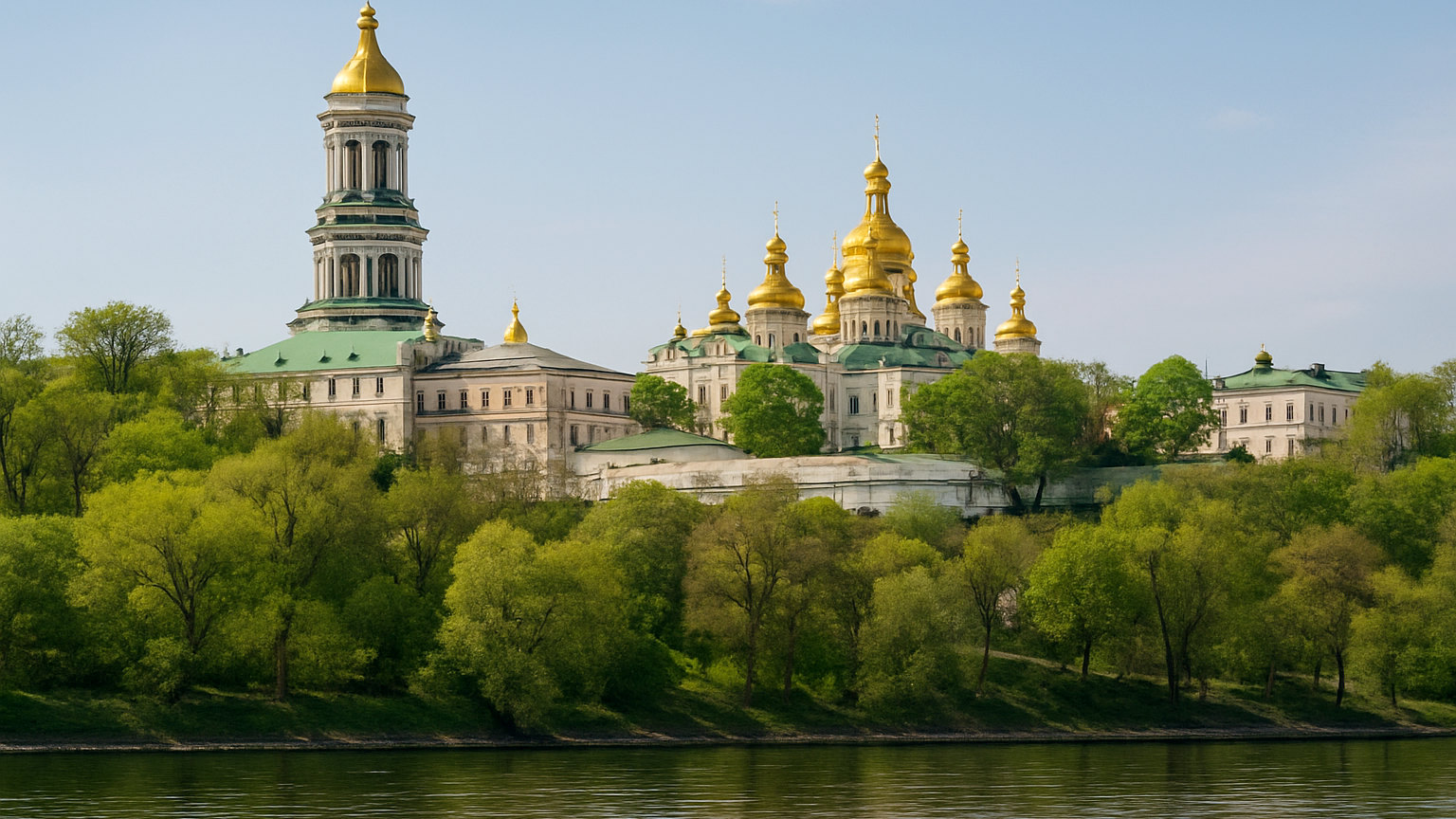
Photographs of the food. Menus in five or six languages, particularly laminated ones. A menu covering several national cuisines. Tables laid on a street where nobody is eating. A location directly facing a major sight.
What about pricing practices?
Worth checking rather than assuming. Items priced by weight, particularly fish and seafood, should be confirmed before ordering, since a price per hundred grams can produce a considerably larger bill than expected. Ask what the portion will weigh.
What about unordered food?
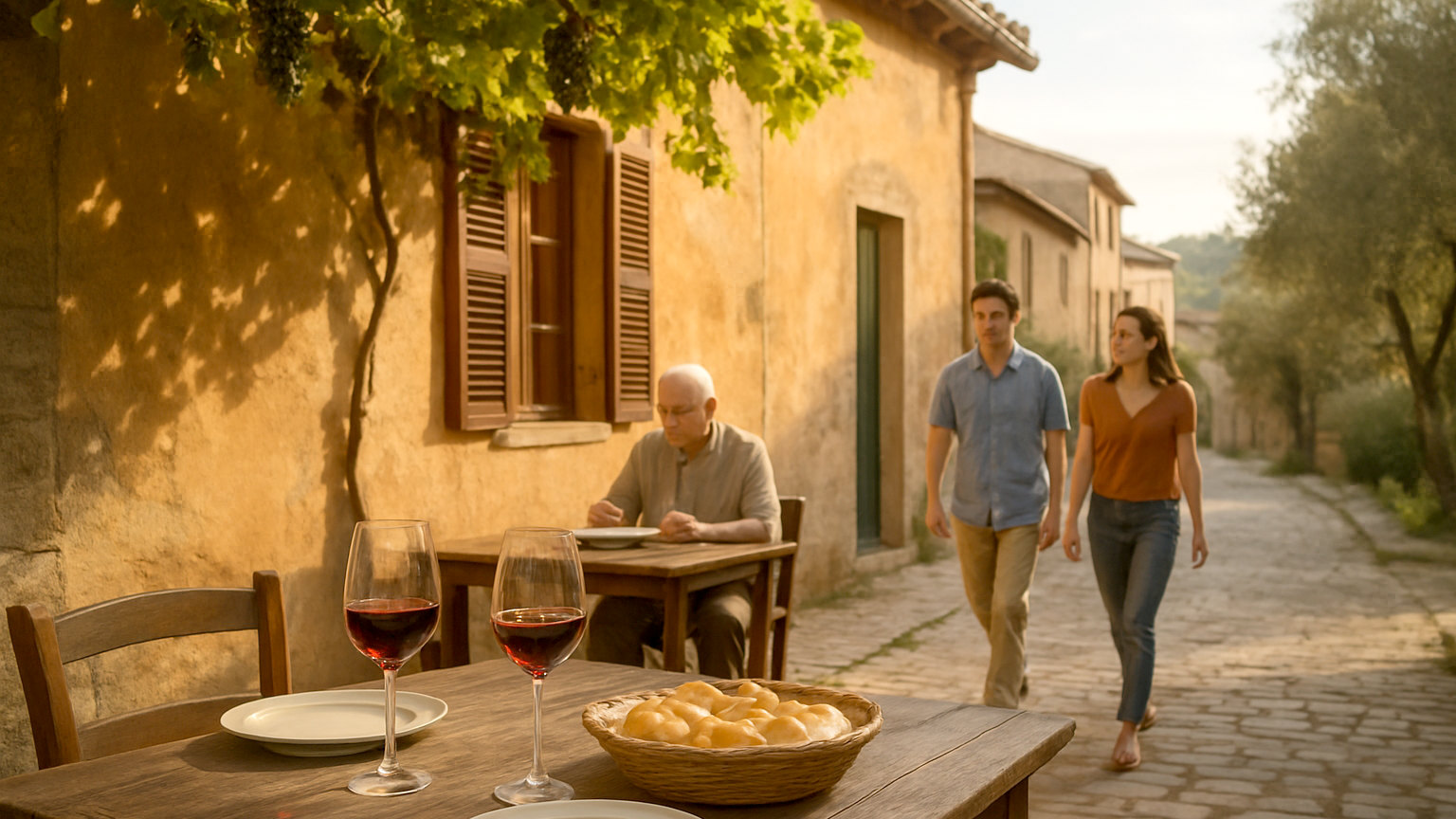
Bread, olives and small dishes brought without being ordered are charged in Spain, Portugal and Italy, and you may decline them. In Portugal the couvert is entirely normal and entirely refusable. Accepting means paying.
Should you check the bill?
Always, and in any country. Errors happen, most are genuine and a few are not. Checking the total against the menu prices and querying anything unfamiliar is normal behaviour rather than an accusation.
What if the bill is wrong?
Point at the item and ask what it is, calmly. Most discrepancies are resolved immediately. If it is not, asking for an itemised bill and, if necessary, mentioning that you will contact the local tourist police usually settles it, since restaurants risk their licence.
Where are the worst concentrations?
Immediately around major sights and main squares, along cruise port approaches, and on the principal pedestrian street of any historic centre. In Venice, Rome, Prague, Dubrovnik and Barcelona these areas are well defined and easy to step outside.
How far do you need to walk?
Five to ten minutes, which is consistently enough. The density of visitor-oriented restaurants drops sharply a few streets back from any landmark, and the prices with it.
Are review scores reliable?
Only partly. A high score from thousands of one-time visitors reflects popularity rather than quality, and reviews can be manipulated. Reviews in the local language, recent photographs of actual plates and consistent detail are more informative than a number.
What is the simplest rule?
Eat where local people eat at the hour local people eat. Those two things together avoid almost every bad restaurant in Europe without needing any of the other signals.
What about drinks pricing?
Where overcharging most often appears, since a bottle of water or a cocktail is easy to price without a visible menu. Asking the price before ordering anything without a listed price is reasonable, particularly at terraces on main squares and beach bars.
Does it apply outside restaurants?
The same logic applies to bars and cafes. A coffee on a famous square costs several times the neighbourhood price, which is legitimate if displayed and unpleasant if not. Menus must be displayed with prices in most European countries.
What about the set tourist menu?
Different from a weekday set lunch and usually worse. A menu turistico displayed in several languages near a sight is a fixed package of simplified dishes at a fixed price, which is convenient and rarely good. The local weekday menu is the one worth finding.
Are the good places ever obvious?
Sometimes, and a queue of local people is the one crowd worth joining. A busy restaurant with no English menu and no tout outside, full at the local hour, is announcing itself just as clearly as a tourist trap is.
Anyone weighing this up will also want Which European Cheeses and Cured Meats Should You Seek Out?, along with the rest of the Inspiration section.
The short answer
Avoid anywhere with a tout outside, photographs of the food or a menu in six languages, and walk five minutes from any landmark. Confirm prices for anything sold by weight, decline unordered bread and olives, and check the bill against the menu every time.