Southern Europe eats several hours later than Britain, and a restaurant serving dinner at six thirty in Spain is serving it to people who do not live there. Getting the hours right is the simplest way to eat better without knowing anything about the food.
When does Spain eat?
Lunch from around two to four, dinner from nine or nine thirty, frequently later at weekends. Kitchens commonly close between four and eight thirty entirely. A restaurant with people in it at seven is serving visitors.
And Italy?
Lunch from half past twelve to half past two, dinner from eight, with kitchens closed between. Later in the south than the north. Many restaurants close one day a week, frequently Monday, which catches people out.
What about Greece and Portugal?
Greece is similar to Spain, with dinner from nine and tavernas serving late. Portugal eats earlier than Spain, with dinner from around eight, which makes it the easier of the two for anyone who finds late eating difficult.
And northern Europe?
Considerably earlier. Germany, Austria, the Netherlands and Scandinavia eat dinner from six or seven, and kitchens frequently close by nine or nine thirty. Arriving at nine in Copenhagen is as awkward as arriving at seven in Madrid.
What about France?
Lunch strictly from noon to half past one, dinner from half past seven or eight. French kitchens observe their hours precisely, and arriving at two for lunch or ten for dinner frequently means no food at all.
Why does it matter so much?
Because restaurants that stay open all day are serving people who do not know the hours, and the food reflects it. Places that close between services are cooking to order for two distinct sittings.
What if you need to eat earlier?
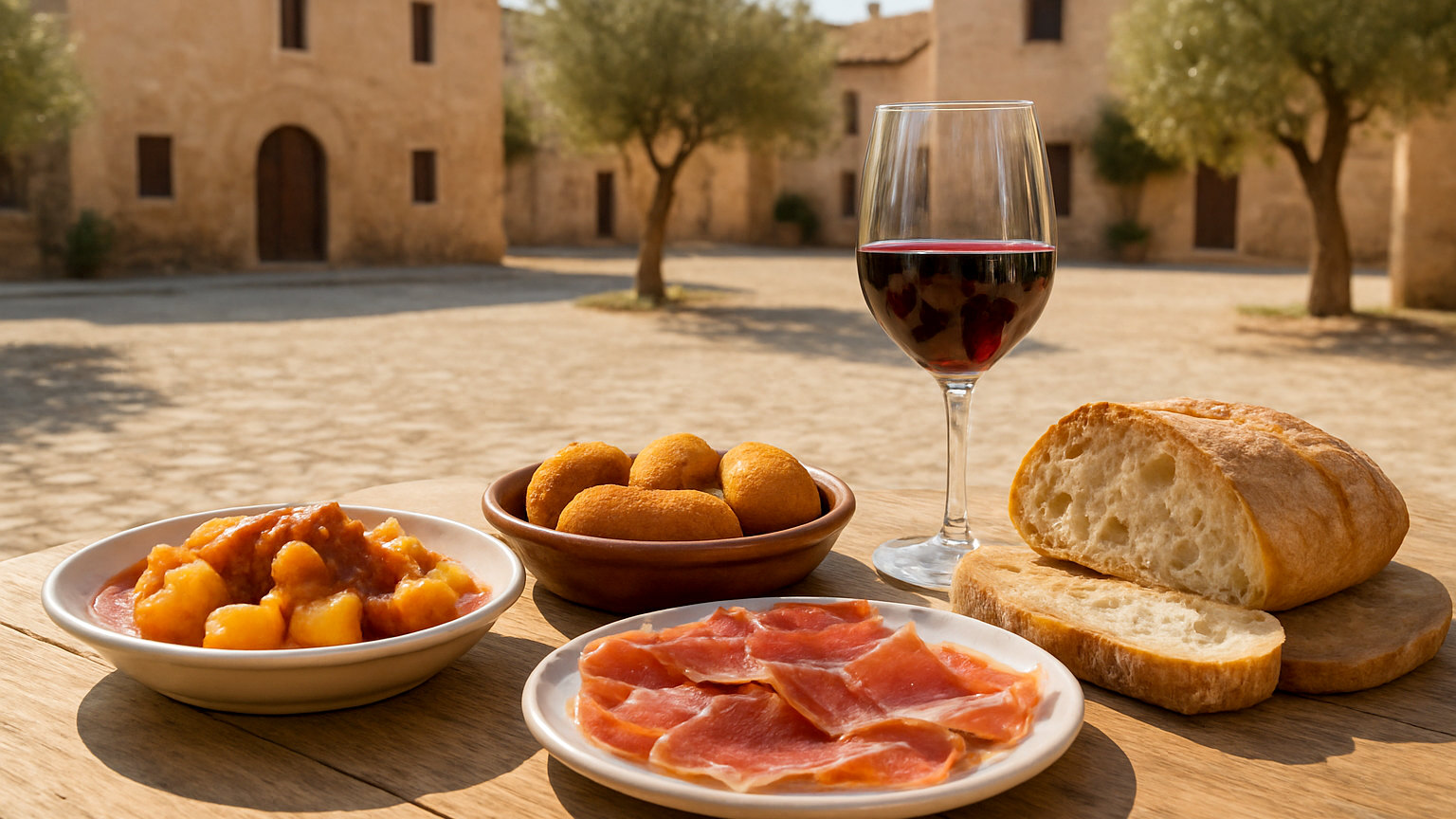
Tapas bars in Spain, which serve from early evening. Cafes and bakeries across southern Europe. Hotel restaurants, which open early for guests. Or shift the main meal to lunch, which is the local pattern anyway and frequently better value.
What about the middle of the day?
Shops and some restaurants close in the afternoon in Spain, Italy, Greece and Portugal, particularly in smaller towns and in summer. Planning shopping or sightseeing for those hours and resting instead is what residents do.
Is lunch the better meal?
Frequently. The set lunch menu across France, Spain, Italy and Portugal offers the same kitchen at a fraction of the evening price, and it fits the hours better for anyone travelling with children.
When do they close for the day?
Worth checking, since a weekly closing day is standard across Europe and frequently Sunday or Monday. In August much of Italy, France and Spain closes for holidays, and small restaurants shut for two or three weeks.
What about breakfast?
Lighter than in Britain almost everywhere in the south. A coffee and a pastry standing at a bar is the Italian and Spanish norm, taken quickly rather than sitting. Germany, Austria and the Nordics are the opposite, with substantial spreads that genuinely replace lunch.
Does it change at weekends?
Later, particularly Sunday lunch, which across Spain, Italy, France and Portugal is the main family meal of the week and runs well into the afternoon. Booking is necessary and a restaurant full of three generations is a good sign.
What about aperitivo hour?
The Italian bridge between afternoon and dinner, roughly six to eight, where a drink comes with snacks and in Milan and Turin with a substantial buffet. It suits anyone who cannot wait until nine, and in the north it can effectively replace a meal.
Do hours differ in summer?
Later across the south, where the heat pushes everything back and coastal towns eat well past ten in August. Inland towns close for the afternoon more strictly in summer than in winter, which is worth allowing for when planning a day.
Anyone weighing this up will also want What Should You Know About European Markets?, along with the rest of the Inspiration section.
The short answer
Spain and Greece eat dinner from nine, Italy and France from eight, and northern Europe from six or seven. Kitchens close between services in the south, so eat at the local hour, use tapas bars if you need to eat early, and make lunch the main meal.