
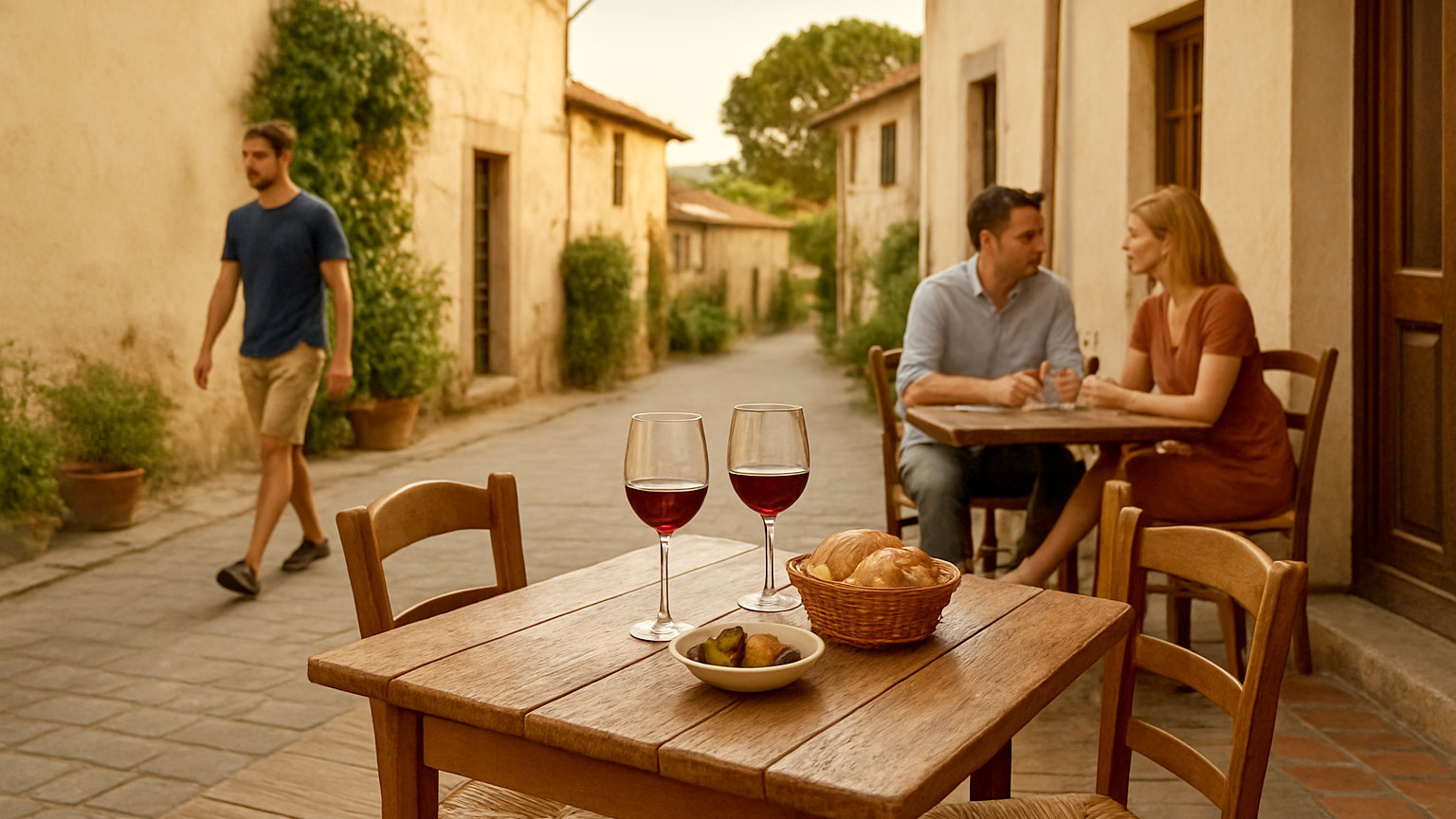
Tipping in Europe is genuinely optional, considerably lower than in North America and varies by country in degree rather than in kind. Staff are paid a wage rather than depending on tips, which is the structural difference behind all of it.
What is the general rule?
Round up or leave around five to ten per cent for good service in a restaurant, and simply round up in a bar or cafe. Nobody is offended by a smaller tip and nobody expects an American percentage.
How does it vary?
Italy, Spain, Portugal and Greece tip least, frequently just rounding up. France and Germany sit around five to ten per cent. The Nordic countries tip very little. Turkey and the Balkans expect a little more than western Mediterranean countries.
What is a service charge?
Sometimes added to the bill, particularly for larger groups, and where one appears additional tipping is entirely discretionary. In several countries service is legally included in menu prices, which is why percentage tipping is not the convention.
What is the coperto?
An Italian cover charge per person, covering bread and the table setting, which is not a tip and does not go to the server. It is legal, must be displayed on the menu and typically amounts to a small fixed sum per head.
Similar charges exist in Spain and Portugal, where couvert is bread and olives brought unasked and charged if eaten.
Can you refuse the couvert?
In Portugal and Spain, yes, and it is entirely normal. If bread, olives or cheese arrive without being ordered, you may decline them and they will be removed and not charged. Accepting them means paying for them.
Should you tip in cash?
Where possible, since card systems in some countries do not distribute tips reliably and many terminals do not prompt for one. Leaving coins or a note on the table is the standard method across southern Europe.
How do you ask for the bill?
You have to, in most of Europe. Bringing the bill unasked is considered rushing the table, particularly in Italy, Spain and France, so it will not arrive until requested. A raised hand and eye contact is enough.
What about splitting?
Common and straightforward in most countries, and less so in France and Italy where a single bill is the norm and itemised splitting can be awkward in a busy restaurant. Paying one card and settling between yourselves is simpler.
What about bars and cafes?
Rounding up is the whole convention. A coffee or a beer is paid at the price with small change left, and in Italy standing at the bar is cheaper than sitting at a table, which is a price difference rather than a tip.
What about tipping at the counter?
Rarely expected and always welcome. In Italy and Spain many people leave small change on the bar after a coffee, which is a habit rather than an obligation and amounts to very little.
Does tipping differ for tours and taxis?
Yes, and the same restraint applies. Taxis are usually rounded up rather than tipped by percentage, and guides on a paid tour are tipped modestly at the end if the tour was good. Free walking tours are the exception, where the guide is paid entirely by what the group gives.
What if the service was poor?
Leaving nothing is entirely acceptable and requires no explanation, which is the practical consequence of tipping being optional. There is no equivalent of the American expectation, and nobody will pursue you for it.
Is a card accepted everywhere?
In most of western Europe, yes, and cash remains common in Germany, Austria and rural areas across the south. Small bars and market stalls frequently take cash only, and carrying some avoids the awkwardness of discovering it at the counter.
For the next step, see What Is a Set Lunch Menu and Why Does It Matter?, or browse the full Inspiration section.
The short answer
Round up or leave five to ten per cent for good service, in cash, and less in the south and the Nordics. The Italian coperto and the Iberian couvert are cover charges rather than tips, unordered bread can be declined, and the bill will not arrive until you ask.


