Europe is unusually rich in ancient remains, and the famous sites are famous for good reason. Several less visited ones are better preserved, better situated and far easier to enjoy, which makes the second tier worth knowing about.
Which are the essential Roman sites?
Pompeii and Herculaneum near Naples, which are towns rather than monuments, with Herculaneum smaller, better preserved and far quieter. The Roman Forum and Colosseum in Rome. The Pont du Gard in France. Merida in Spain, which has one of the best preserved theatres anywhere.
Where are the best Greek remains?
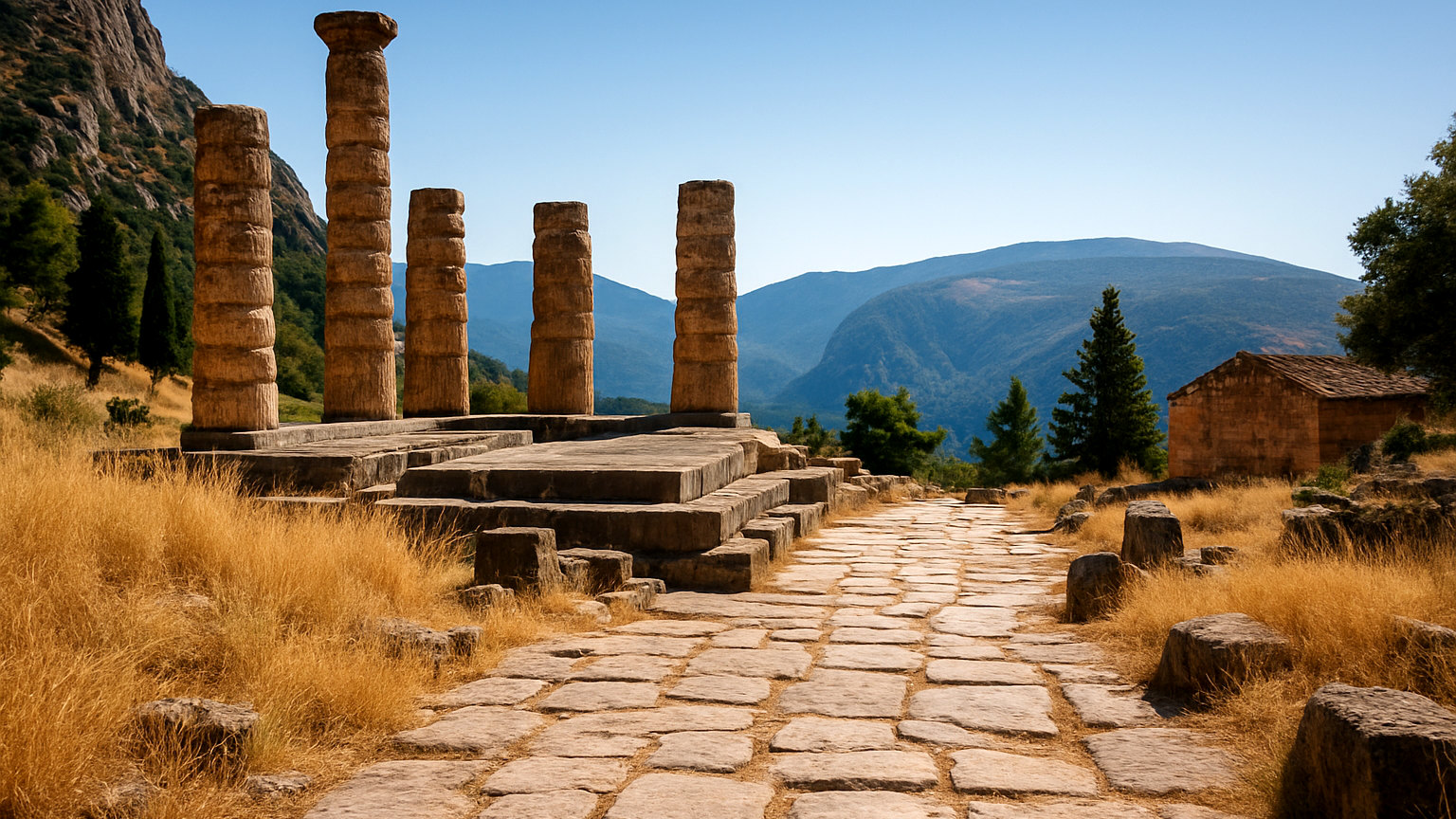
The Acropolis in Athens, inevitably, and Delphi, which has a setting no photograph conveys. Olympia. Outside Greece, Agrigento in Sicily and Paestum near Salerno both have temples better preserved than most in Greece itself.
Sicily and southern Italy hold some of the finest Greek architecture in the world, which surprises people.
What about Turkey?
Ephesus is the largest and best preserved classical city in the eastern Mediterranean, and the Turkish Aegean coast has more Greek and Roman remains than Greece. Pergamon, Aphrodisias and Hierapolis alongside the travertine terraces at Pamukkale are all substantial.
What is there beyond Greece and Rome?
The Neolithic temples of Malta, which predate the pyramids and Stonehenge and are the oldest free-standing structures in the world. Newgrange in Ireland. The Carnac stones in Brittany. Skara Brae in Orkney.
Which are underrated?
Herculaneum, which most visitors skip for Pompeii. Ostia Antica outside Rome, a complete Roman port with almost no crowds. Butrint in Albania. Segesta in Sicily, a Doric temple standing alone on a hillside. Vaison la Romaine in Provence.
When should you visit?
Spring and autumn, without exception. Archaeological sites have no shade, and Pompeii, the Acropolis or Ephesus in July is genuinely punishing. March to May and October are ideal, and winter is perfectly possible in the south.
What should you take?
Water, a hat and proper shoes, since the ground is uneven and the walking is longer than expected. Pompeii covers sixty hectares. Sun protection matters more here than anywhere else in European sightseeing.
Is a guide worth it?
At the large sites, considerably. Ruins are difficult to read without help, and the difference between walking past stones and understanding a street is entirely down to explanation. A guide or a good audio guide transforms Pompeii and Ephesus in particular.
What about the museums?
Frequently where the best material went. The Naples archaeological museum holds almost everything removed from Pompeii, and the Acropolis Museum holds the sculpture. Visiting the site without the museum is seeing half of it.
What about the reconstructions?
Worth knowing which is which. A good deal of what visitors see at Knossos was rebuilt in concrete in the early twentieth century, and parts of Carcassonne and several Roman sites are heavily restored. It does not spoil them and it changes what you are looking at.
Which sites suit children?
Pompeii, the Colosseum and anywhere with standing structures rather than foundations. Sites that require imagination to interpret are hard work at any age, and a guide aimed at families makes a considerable difference at the larger ones.
Are they accessible?
Variable and frequently limited, since uneven ancient paving cannot be altered. Several sites have marked accessible routes covering part of the area, which is worth checking in advance rather than on arrival.
Which countries have the most?
Italy, Greece and Turkey by a wide margin, with Spain, France and Portugal all substantial. Italy alone holds more classical remains than most continents, and much of it sits in towns nobody travels to specifically. Sicily and southern Turkey in particular reward anyone prepared to leave the obvious route.
Which European Castles Are Worth Visiting? answers a related question in more depth, and there is more of the same across our Inspiration guides.
The short answer
Pompeii, Herculaneum, the Acropolis, Delphi and Ephesus are the essentials, with Agrigento, Paestum, Ostia and Segesta the underrated ones. Go in spring or autumn since there is no shade, take a guide at the large sites, and visit the associated museum.