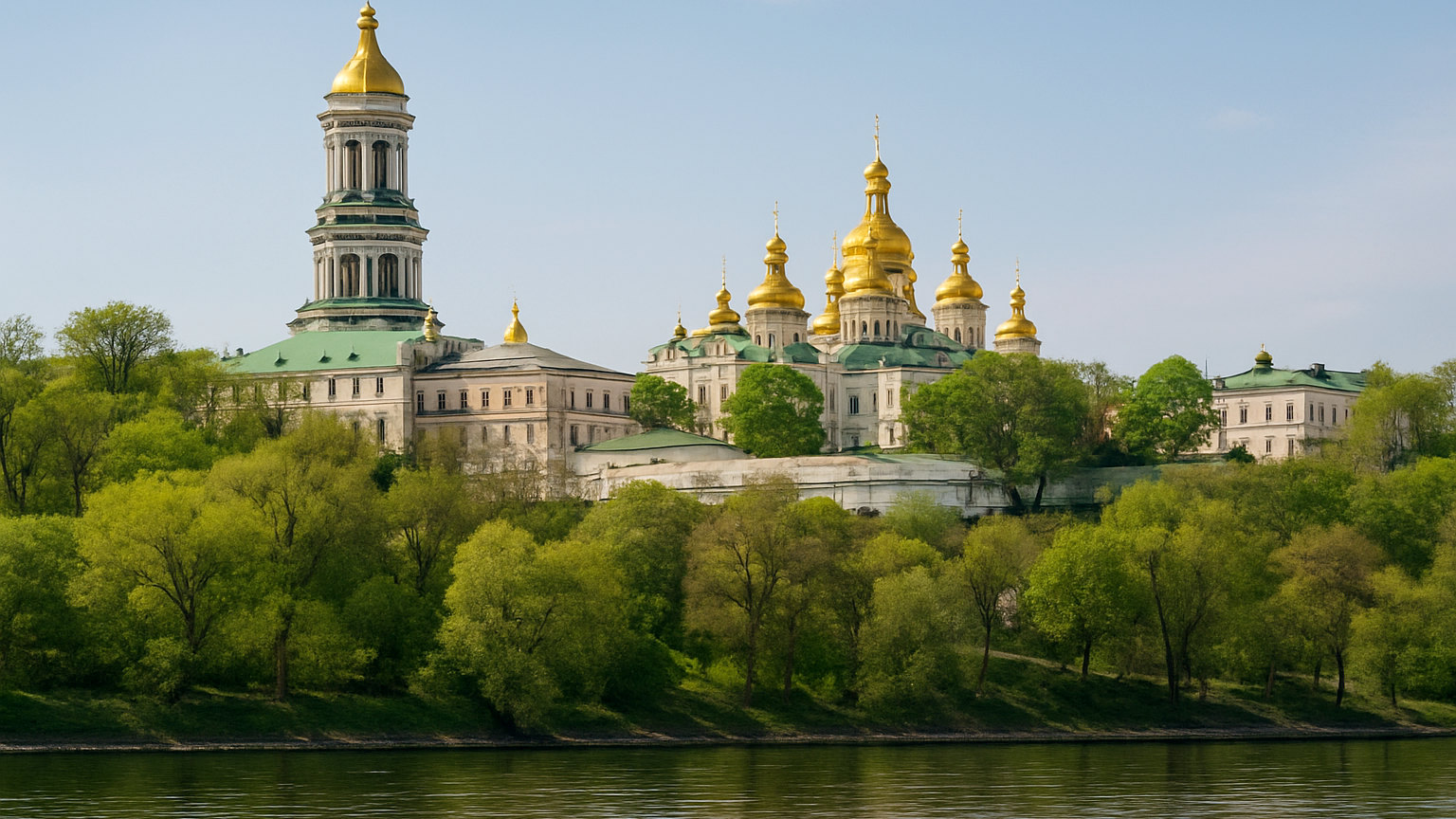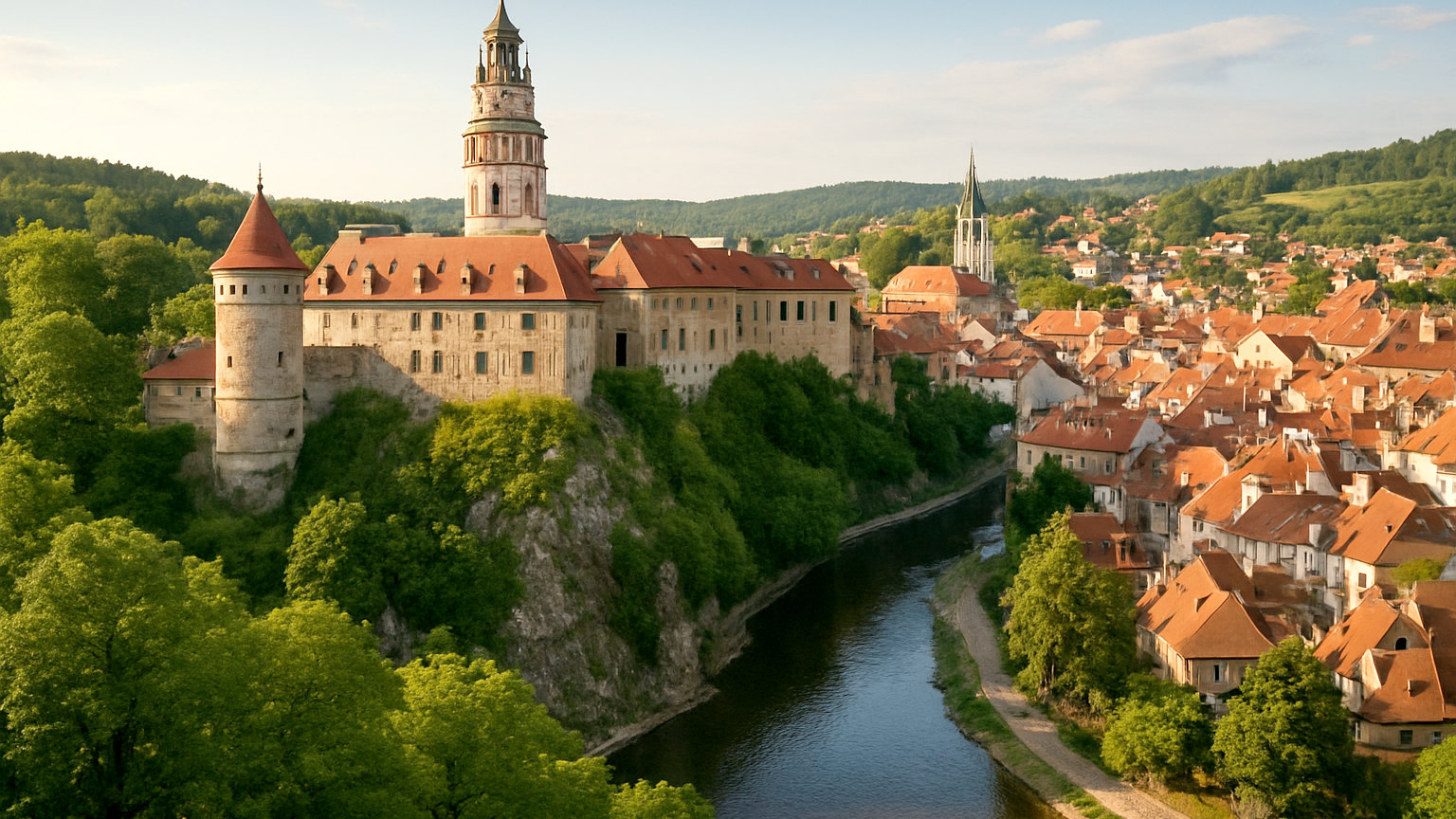
Castle is doing a great deal of work as a word. It covers genuine medieval fortresses, Renaissance and baroque palaces that were never defensive, and nineteenth century romantic reconstructions built to look like the first kind. Knowing which you are visiting prevents a certain amount of disappointment.
What are the three kinds?
Working fortresses, built for defence and usually ruined or austere. Palaces, built for display, with state rooms and gardens. And romantic reconstructions, mostly nineteenth century, which look like the castles in illustrations because the illustrations came from them.
Which fortresses are best?
Carcassonne in France, a complete walled town, though heavily restored. Krak style crusader fortresses at Kyrenia and Rhodes. Malbork in Poland, the largest brick castle in the world. Hohensalzburg above Salzburg. Edinburgh and Stirling in Scotland.
Which palaces are worth it?
Versailles, for the scale, with the caveat that it is among the most crowded sites in Europe. Schonbrunn in Vienna. The Alhambra, which is a palace complex rather than a castle. Sintra in Portugal, where several palaces sit within one hillside.
What about the romantic ones?
Neuschwanstein in Bavaria is the best known and the template for a great many others, built in the nineteenth century and never finished. It is spectacular from outside and a short guided tour inside, and it requires booking well ahead.
Pena Palace at Sintra and Peles in Romania are the same idea, both extraordinary and neither medieval.
Where are the best concentrations?
The Loire valley in France, with dozens of chateaux within an hour of each other, several of which are genuinely first rate. The Rhine gorge in Germany, where castles line both banks. Transylvania in Romania. The Czech countryside, which has more castles per head than almost anywhere.
Which are underrated?
Malbork, which most British visitors have never heard of and which is enormous. Bellver in Mallorca, circular and unusual. The Alcazar of Segovia. Eltz in Germany, still owned by the same family after eight centuries. Kalemegdan in Belgrade for the position.
Can you stay in one?
Frequently. Spanish paradores and Portuguese pousadas occupy castles and convents at mid-range prices, and Austria, Germany and Czechia have schloss and zamek hotels. This is the best value way to experience one properly.
What should you check?
Whether the interior is open, since many are exterior-only or partially closed. Whether entry is by guided tour with fixed times, which Neuschwanstein and several German castles require. And the walk up, which at hilltop fortresses can be steep and long.
When should you go?
Shoulder season, since the popular ones are extremely busy in summer and many reduce their hours in winter. Spring and autumn give shorter queues and better light for the position, which is usually half the point.
Are the gardens part of it?
At palaces, frequently the better half. Versailles gardens, the Generalife at the Alhambra and the Sintra grounds are all substantial in their own right and are sometimes ticketed separately. Allow time for them rather than treating them as a walk to the exit.
Which are best with children?
Fortresses over palaces, since walls, towers and battlements are more interesting than state rooms. Carcassonne, Malbork and the Rhine castles all work well, and many run demonstrations or events in summer.
How long do they take?
Two to three hours for most, and a full day for the largest such as Versailles or the Alhambra including grounds.
How much do they cost?
Modest by European attraction standards, with most state-run castles charging little and the famous ones considerably more. Several countries run a combined ticket covering several properties, which is worth checking if you intend to visit more than two in a region.
If you are planning further, Where Are Europe Most Dramatic Landscapes? covers the next part of the decision, and there is more in our Inspiration guides.
The short answer
Decide whether you want a fortress, a palace or a romantic reconstruction, since the three are different experiences. The Loire, the Rhine and Transylvania have the best concentrations, Malbork and Eltz are underrated, and staying in a Spanish parador is the best value way to do it.