Europe is small and densely populated, which leads people to assume its landscapes are tame. Several of them are not, and the continent holds fjords, active volcanoes, glaciers and gorges that compete with anywhere, mostly within a few hours of a major airport.
Where are the fjords?
Western Norway, and they are the single most dramatic landscape in Europe. The Geirangerfjord and the Naeroyfjord are the best known, with cliffs rising a thousand metres directly from the water. The scale genuinely exceeds photographs, which is rare.
What about the mountains?
The Dolomites for sheer strangeness, with pale vertical towers unlike any other range. The Bernese Oberland and the Mont Blanc massif for classic alpine drama. The Picos de Europa in Spain and the Julian Alps in Slovenia, both smaller and less visited.
Where is the volcanic landscape?
Iceland above all, with glaciers, geysers, lava fields and active volcanoes within a day of Reykjavik. Beyond it, Etna in Sicily, the largest active volcano in Europe, Vesuvius above Naples, the Aeolian islands and Lanzarote, which is entirely volcanic.
Which coastlines are most dramatic?
The Atlantic cliffs of Ireland, Scotland and the Faroes. The Algarve west coast and the Portuguese Alentejo. The Amalfi and Ligurian coasts in Italy. Cabo de Gata and the Asturian coast in Spain. The Faroe Islands are the most extraordinary and the hardest to reach.
Where are the gorges and canyons?
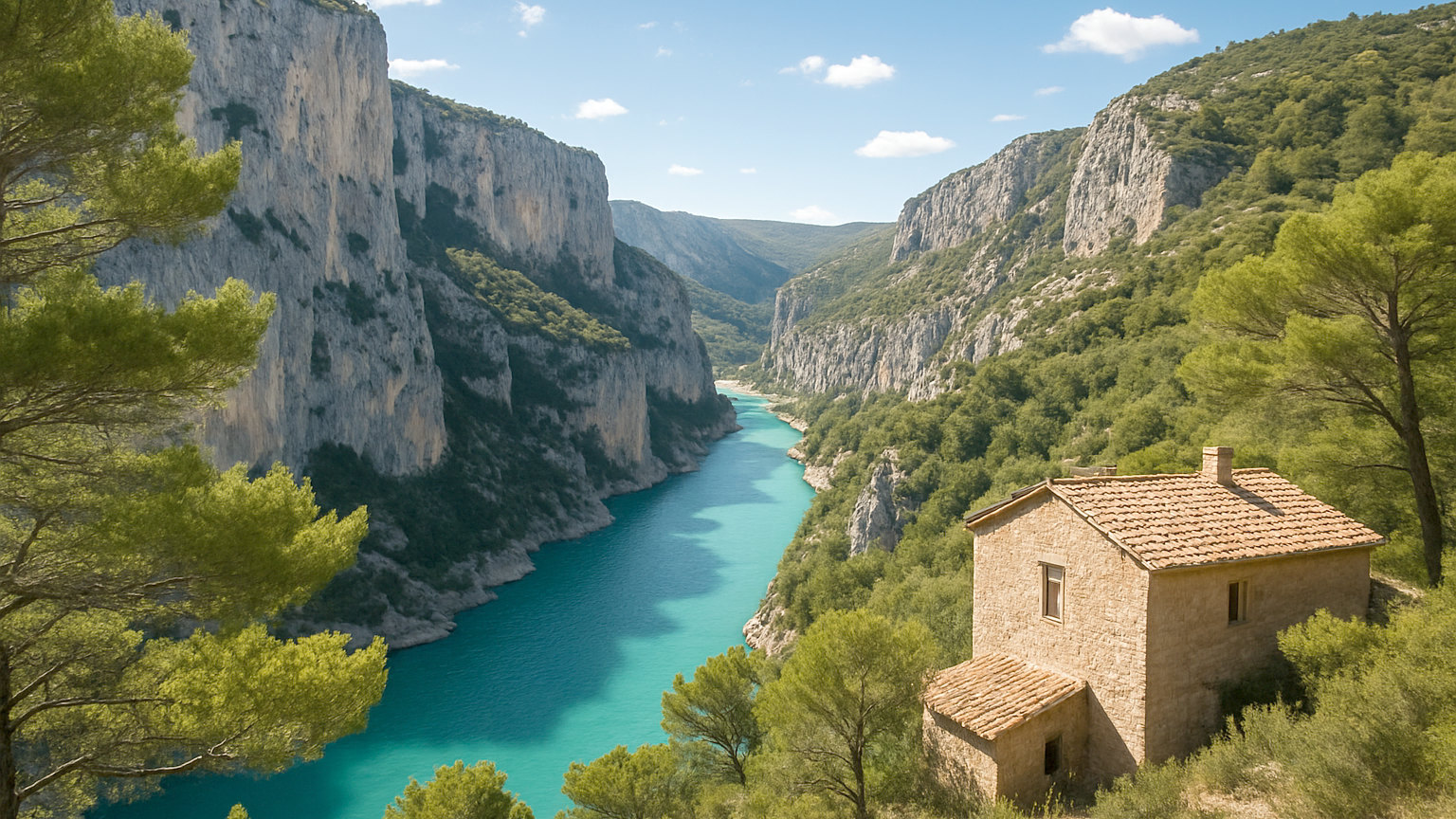
The Verdon gorge in France, the deepest in Europe. Samaria in Crete, a sixteen-kilometre walk to the sea. The Tara canyon in Montenegro. The Vikos gorge in northern Greece, among the deepest relative to its width anywhere.
What about the lakes and waterfalls?
Plitvice in Croatia, a sequence of sixteen terraced lakes linked by waterfalls. The Krka falls nearby. Skogafoss and Seljalandsfoss in Iceland. The Italian lakes for a gentler kind of drama, with the Alps rising directly behind.
Which are easiest to reach?
The Dolomites, the Italian lakes and Plitvice, all within a couple of hours of major airports with good roads. The fjords and Iceland need more time. The Faroes and remote Scotland need the most.
When should you go?
June to September for the north and the mountains, where the season is short and the high ground is otherwise under snow. Spring and autumn for the Mediterranean gorges and coasts, which are unpleasant in summer heat.
Do you need to walk?
Less than people assume. Cable cars, roads and boats reach most of the best viewpoints in the Alps, the fjords and Iceland. Walking twenty minutes from any of them empties the place entirely, which is the one piece of effort that always pays.
Which are best in winter?
Iceland, for the northern lights and ice caves, and the Alps under snow. Mediterranean gorges and coastal paths are also at their best in winter, being green after the rains and empty. The fjords are dramatic in winter and access is limited by daylight and roads.
Do you need a car?
For most of them, yes. Iceland, the Dolomites, the Picos and the Scottish Highlands are all built around driving, and public transport reaches the main towns rather than the viewpoints. Norway is the exception, where boats and trains reach the fjords directly.
How long do you need?
A week for Iceland or the fjords, three or four days for a mountain range, and a day for Plitvice or the Verdon.
Which are the most overlooked?
The Faroes, the Picos de Europa, the Julian Alps and the Tara canyon, all of which compare with better-known landscapes and receive a fraction of the visitors. Albania and Montenegro in particular hold mountain scenery that would be famous anywhere further west.
See also Which European Cathedrals Are Worth Seeing Inside?, which covers a related part of the same decision, and our other Inspiration guides.
The short answer
The Norwegian fjords are the most dramatic, followed by Iceland, the Dolomites and the Faroes. Plitvice, the Verdon and the Amalfi coast are the most accessible. Go in summer for the north and in spring or autumn for the Mediterranean.